The search for solutions to hair loss has led more and more people to doctors' offices. Among the treatments available, hair transplantation stands out for offering lasting results, but it is still surrounded by doubts and misinformation. After all, can transplanted hair fall out again? Can women have the procedure? How long does it take to return to work?
Can transplanted hair fall out? See some details about the procedure
The search for solutions to hair loss has led more and more people to doctors' offices. Among the treatments available, hair transplantation stands out for offering lasting results, but it is still surrounded by doubts...
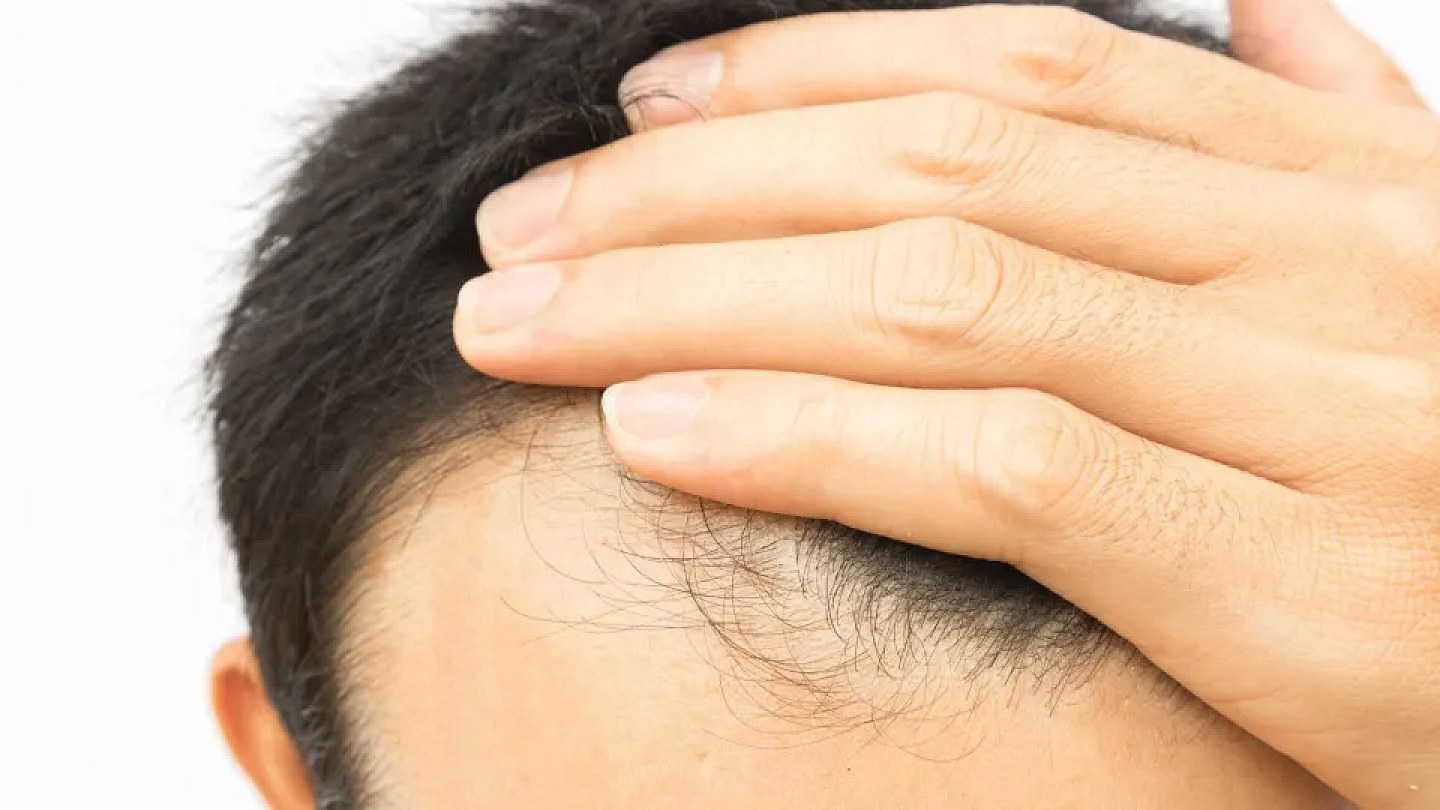
According to Dr. Rafael de Cristo, a doctor specializing in hair transplantation and professor of the Medicine course at Uniderp, many patients arrive at the consultation influenced by incomplete information found on the internet and social networks. "Although hair transplantation is a consolidated and safe technique, there are still many myths that generate insecurity. The first step is to understand that each case must be evaluated individually, considering the cause of hair loss, the available donor area and the patient's expectations", he explains. Excessive hair loss, increased thinning area and progressive reduction in hair density are signs that deserve medical evaluation. The sooner the cause is identified, the greater the chances of controlling the fall and expanding treatment options, points out the doctor. "Hair transplant is an important tool, but it is not the only solution. In many cases, clinical treatments started early can slow the progression of hair loss and significantly improve the quality of the hair", he adds.
Myth or truth?
Transplanted hair can fall out again - myth and truth
After the procedure, it is common for the transplanted hairs to fall out between two and eight weeks after surgery. This process is expected and is part of the follicles' adaptation to the new location. The hair gradually grows back over the following months. What falls out is the hair shaft, not the transplanted follicle. After this phase, growth happens naturally and permanently in the vast majority of cases. Only men can have a hair transplant - myth
Although male pattern baldness is better known, women can also be candidates for hair transplants, especially when they have localized thinning hair, scars on the scalp or some specific types of alopecia. "Women represent a growing portion of patients. The indication depends on a careful assessment to identify the cause of hair loss and check if there is a suitable donor area", says Dr Rafael. The result is immediate - myth
Transplant results require patience. The first signs of growth usually appear after three or four months, while the final result is usually seen between 12 and 18 months after surgery. Hair transplant hurts - myth
The procedure is performed under local anesthesia, which minimizes discomfort during surgery. Postoperatively, patients may experience mild tenderness, swelling, or temporary itching. Those who have a transplant need to shave their entire head - myth
There are techniques that allow the procedure to be carried out without completely shaving the hair, especially in selected cases. The indication depends on the extent of the area to be treated and medical evaluation. It is possible to return to work quickly - true
In most cases, administrative activities can be resumed between three and seven days after the procedure. Intense physical activities or professions with greater exposure to the sun usually require a longer recovery period.
"The return varies depending on the activity carried out by the patient. The most important thing is to correctly follow medical instructions to ensure the best possible healing", highlights the specialist. The transplant prevents the progression of baldness - myth
The procedure redistributes hair to areas with hair loss, but does not necessarily stop the progression of baldness in regions that still have hair susceptible to hair loss. Therefore, many patients need to combine the transplant with clinical treatments to preserve the existing hairs. Young people can have a transplant - it depends
Age alone does not determine the indication. The most important thing is to assess the stability of hair loss and the pattern of alopecia. Very young patients need careful analysis to avoid inadequate results in the future, as baldness can continue to evolve.
Source: Noticias ao Minuto
Next recommended read
This story was originally published by Noticias ao Minuto. Visit the original publication for further details.
Open original publication