A baby diagnosed during pregnancy with a severe form of gastroschisis underwent an unprecedented surgery before birth and today, at five months old, is showing good progress. The procedure was carried out when the mother, Maisie Savage, was 26 weeks pregnant and was part of a clinical trial conducted by specialists in the United States.
Unprecedented surgery corrects malformation in baby still in the mother's womb
A baby diagnosed during pregnancy with a severe form of gastroschisis underwent an unprecedented surgery before birth and today, at five months old, is showing good progress. The procedure was carried out when the...
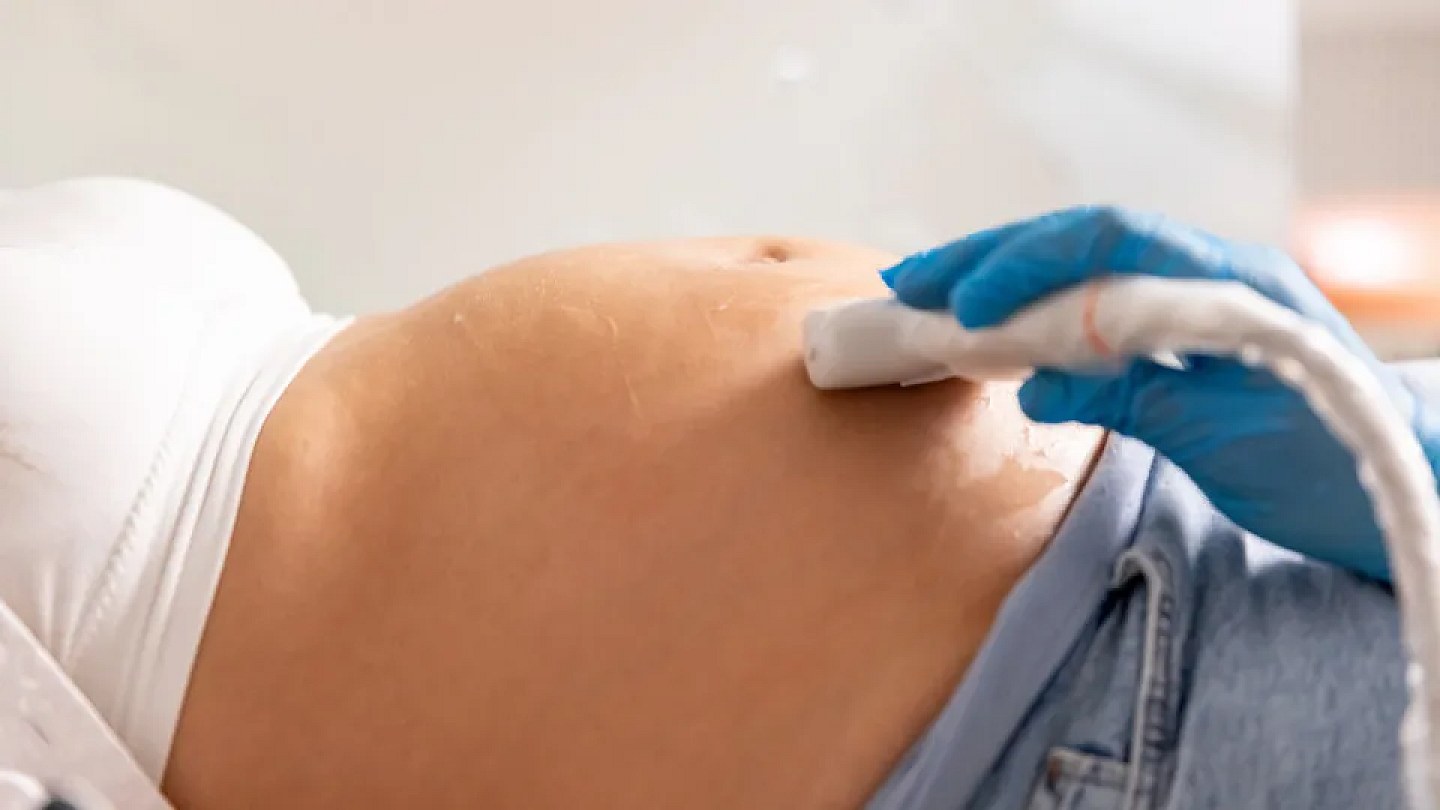
Gastroschisis is a congenital malformation in which the abdominal wall does not close completely during fetal development, causing part of the intestines to grow outside the abdomen.
Living in London, Maisie, 29, traveled to Texas after tests indicated that her son's case was more complex than usual. She and her husband, Josh French, 36, both teachers, were referred to Texas Children's Hospital in Houston, where a team led by fetal surgeon Michael Belfort was developing an unprecedented technique to correct the anomaly during pregnancy.
Before the surgery, the pregnant woman had to go to Leuven Hospital, in Belgium. There, doctors applied a Botox injection to the fetal abdominal wall, through the uterus, to relax the muscles and facilitate the procedure.
The operation was carried out in November last year. Doctors partially exposed the pregnant woman's uterus, temporarily removed the amniotic fluid and used carbon dioxide to expand the surgical space. Using minimally invasive techniques, they were able to carefully reposition the baby's organs inside the abdomen and close the opening.
Theo was only the third baby in the world to participate in this type of clinical study.
After the surgery, Maisie remained in the United States until the end of her pregnancy. According to her, the recovery was difficult and left a scar bigger than a cesarean section, but the result was worth it.
"It was a difficult recovery. But it was worth it," he said.
Theo was born vaginally in February, in Texas, after the pregnancy came to an end without any further complications. Since then, the baby has been developing satisfactorily.
The couple said they received the diagnosis during the 20-week morphological ultrasound, when they were just hoping to find out more details about the pregnancy.
"At that point, we didn't even know it was a boy," Josh recalled. According to him, discovering the severity of the condition was one of the most difficult moments experienced by the family.
© Reproduction/ Texas Children's Hospital
Gastroschisis affects around one in every 3,000 babies in the UK. Even in cases with a better prognosis, newborns usually require corrective surgery, prolonged hospitalization in a neonatal unit and nutritional support via tube or intravenously.
In the most severe forms, treatment can include months of intensive therapy, multiple surgeries, intravenous feeding for up to two years and even an intestinal transplant. Even with specialized treatment, approximately one in ten babies does not survive.
For Michael Belfort, responsible for the medical team, the result achieved was exceptional.
"The mother, the baby, the surgery, the timing of the surgery, the fact that we didn't have any complications during the fetal surgery and after the fetal surgery, it's just remarkable," he said.
“Explosive diarrhea” causes first deaths in US outbreak
Two people with underlying health conditions have died in Michigan after contracting the parasitic infection. The outbreak already has thousands of cases and hundreds of hospitalizations in the state
Source: Noticias ao Minuto
Next recommended read
This story was originally published by Noticias ao Minuto. Visit the original publication for further details.
Open original publication