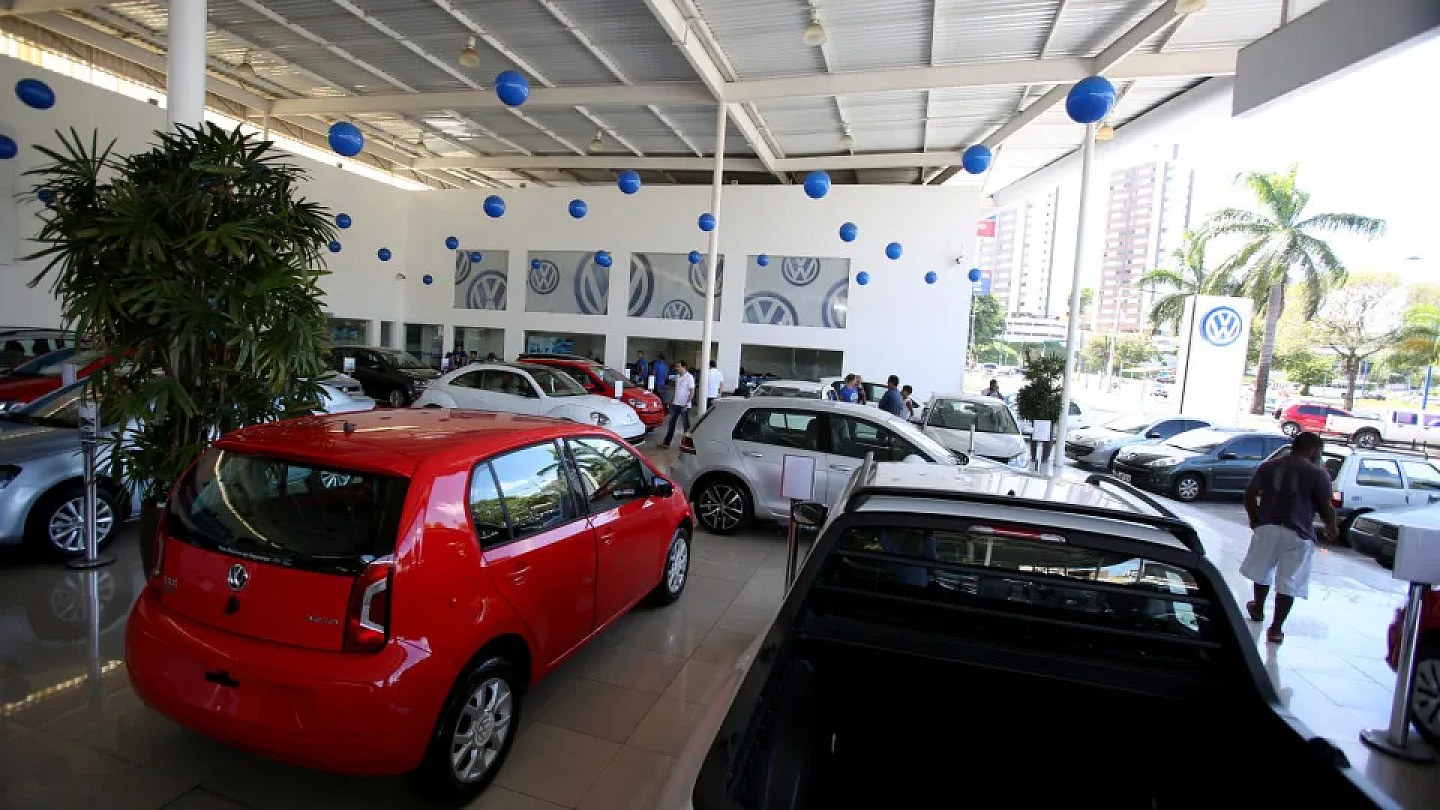
(FOLHAPRESS) - Car prices in Brazil are starting to fall after years of increases above inflation. There are several combined factors that explain the rare phenomenon, including the amortization of the costs of new technologies. However, the main factor is the acceptance of new Chinese brands in the Brazilian market, driven by lower prices than the competition.
New car prices fall in Brazil under pressure from Chinese strategy
(FOLHAPRESS) - Car prices in Brazil are starting to fall after years of increases above inflation. There are several combined factors that explain the rare phenomenon, including the amortization of the costs of new...
"The strategy is to reduce prices, increase volume, strengthen the brand and establish itself before import taxes rise. China can sustain this through scale and verticalization, but it does not necessarily mean high profits in Brazil, it is a market capture phase", says Theo Paul Santana, specialist in Brazil-China trade and founder of the consulting company Destino China.
These lower values are associated with the perception of quality of the cars and the hybrid and electric systems that appeal to consumers. Models like the GWM Haval H6 (from R$199,900) have conquered segments previously dominated by traditional brands. Without having anything to deliver immediately with the same technology, all that was left to do was change the table.
According to a survey carried out by Bright Consulting, the average public value of light vehicles was R$172,500 in June 2025. One year later, the value fell to R$170,000, a reduction of 1.5%. The price actually paid by buyers went from R$157.7 thousand to R$152.1 thousand, a decrease of 3.5%.
Mitsubishi repositioned the entire line, while Volkswagen reduced the asking price for the T-Cross, the country's best-selling SUV, by up to R$10,000, and also began offering the Polo hatchback at promotional prices. At Renault, there are discounts for the Boreal and Koleos models, which debuted amid the Chinese wave.
It's not difficult to find promotions from all the major brands, which highlight such reductions on their websites. A survey considering only official offers made in the last week of July revealed rebates in excess of R$20,000 - in this case, on a car of Chinese origin.
The BYD King GL sedan is offered for R$147,990, a discount of R$25,000 on the suggested price in the list. It is an example of the strategy that is changing the national market, and there are similarities with what has been done by Asian sales portals, such as Shopee, Shein and AliExpress.
"It's no coincidence, it's the same manual applied to a more expensive product", says Santana. "Those who only look at the price think that the similarity is selling cheaply, but it isn't. The similarity lies in what makes it possible to sell cheaply: shortening the chain to the end, treating the product like software and using the foreign market as an escape valve for a domestic capacity that no longer fits in China."
The founder of Destino China explains that price works as an entry and market capture strategy.
"In digital retail, Chinese platforms use very aggressive prices to gain scale and share. In the automotive sector, we see a similar logic. Automakers reach price ranges that many traditional brands have difficulty keeping up with without compromising their own lines. The price is part of a broader market occupation strategy."
Brazil breaks record and produces 4.47 million barrels of oil per day
Volume extracted in June grew 19.1% in the annual comparison and increased 4% over May. The pre-salt concentrated 82% of all national production, according to data released by the ANP
Source: Noticias ao Minuto
Next recommended read
This story was originally published by Noticias ao Minuto. Visit the original publication for further details.
Open original publication