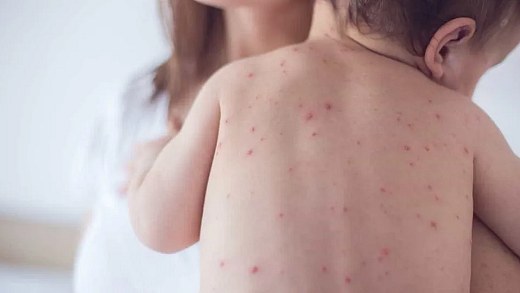
The Zoonoses Surveillance Division (DVZ), of the Municipal Health Department (SMS) of São Paulo, confirmed a case of a bat infected with the rabies virus in the Alto de Pinheiros neighborhood, in the west zone of the capital.
Surveillance confirms case of bat infected with rabies in Alto de Pinheiros
The Zoonoses Surveillance Division (DVZ), of the Municipal Health Department (SMS) of São Paulo, confirmed a case of a bat infected with the rabies virus in the Alto de Pinheiros neighborhood, in the west zone of the...
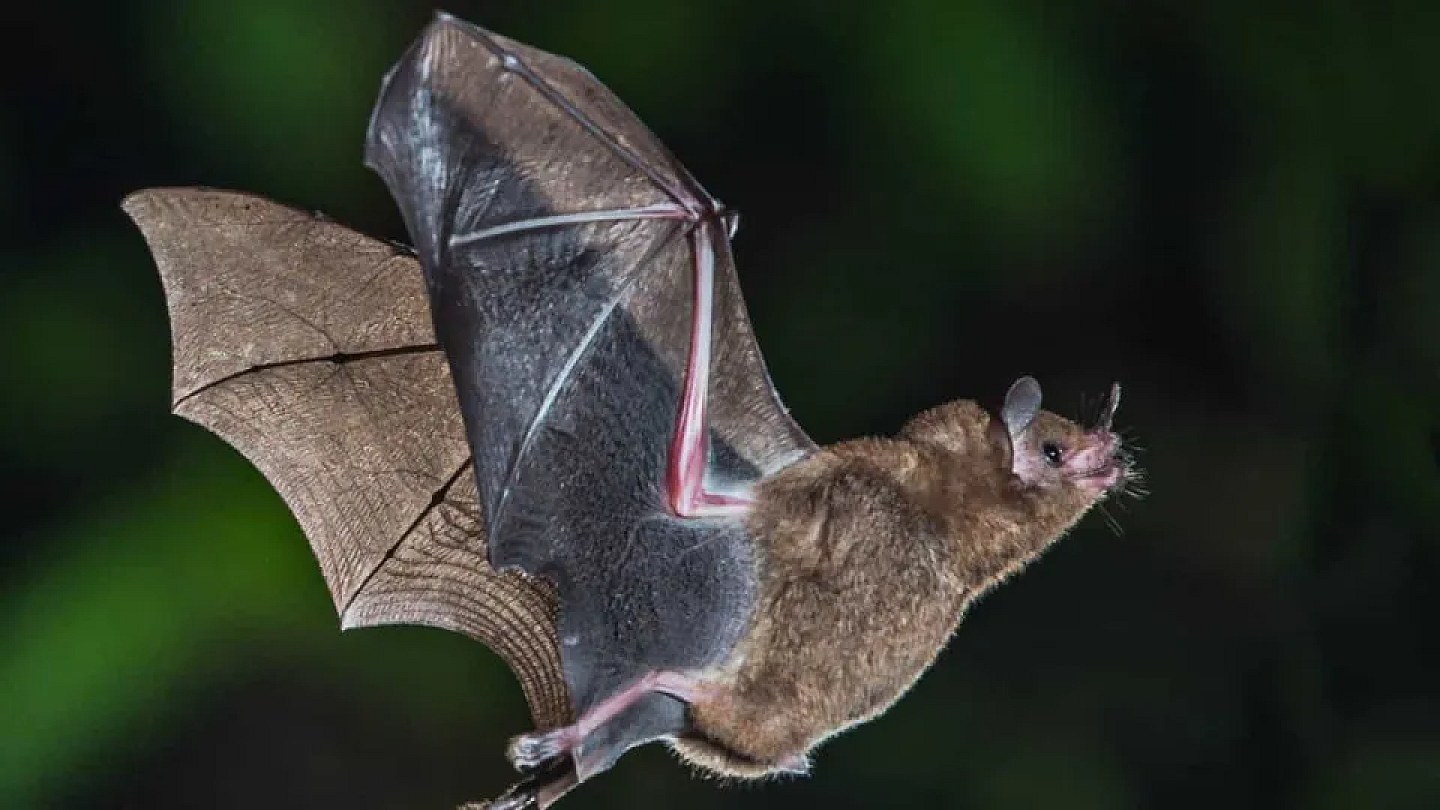
The animal was found on July 21 and, after confirmation, city hall teams carried out educational activities in the region to guide residents and reinforce prevention measures.
In 2026, the capital of São Paulo has already confirmed eight cases of rabid bats. The occurrences were recorded in the areas served by the Health Surveillance Units (UVIS) of Santa Cecília, Capela do Socorro, Guaianases, Santo Amaro/Cidade Ademar and Lapa/Pinheiros, where the most recent case was identified.
Rabies is a zoonosis caused by a virus of the Lyssavirus genus that affects all mammals, including humans.
In urban areas, bats are currently the main transmitters of the virus, so any contact requires attention.
What to do in case of contact
Transmission occurs mainly through bites, scratches or licks from infected animals.
According to infectious disease doctor Marcos Vini da Silva, member of the Tropical Medicine Committee of the Brazilian Society of Infectious Diseases (SBI), symptoms can take days or even years to appear, although the most common is to appear around 45 days after infection.
"Once the disease takes hold, there is no treatment and it leads to death. What protects the patient is to start treatment before symptoms appear, with the anti-rabies vaccine, or, when indicated, with the vaccine associated with anti-rabies serum", says Marcos.
In case of direct contact with a bat, the advice is to immediately wash the area with soap and water and seek a health service for evaluation.
The first symptoms include low fever, malaise and changes in sensitivity in the bite area. As the disease progresses, difficulty swallowing water (hydrophobia), spasms triggered by contact with air (aerophobia), intense agitation, paralysis and other neurological symptoms may appear.
The infectious disease specialist emphasizes that any accident involving bats or other wild mammals must be evaluated by a health professional, even when the injury appears small.
How to protect dogs and cats
Annual rabies vaccination is the main way to protect dogs and cats against the disease. If an animal has contact with a bat, the owner must seek veterinary care and report the incident to health authorities.
Guidelines
According to the expert, bats should never be touched, even when they appear to be dead. If the animal is flying during the day or is found lying on the ground, the advice is not to approach it and call the responsible teams to remove it.
People who frequent caves, caves or forested areas should wear clothing that covers their arms and legs, as well as boots or closed shoes, to reduce the risk of contact with bats.
Support channels
There are different channels made available by the City of São Paulo to guide the population and provide assistance in cases involving bats and exposure to the rabies virus:
Bat removal: if you find a bat fallen, dead, inside the house or behaving unusually, request removal by calling SP156 or calling 156.
Care in case of exposure: in situations of bite, scratch or lick by bats, dogs, cats, herbivores or other wild animals, immediately seek a health unit. More information is available on the Municipal Health Department's page on rabies.
Vaccination of dogs and cats: the rabies vaccine is free and offered at permanent vaccination stations. Addresses and opening hours can be found on the City Hall's rabies vaccination page.
Source: Noticias ao Minuto
Next recommended read
This story was originally published by Noticias ao Minuto. Visit the original publication for further details.
Open original publication