NEW YORK, USA (FOLHAPRESS) - In July 2017, John Hanke, the CEO of developer Niantic, took the stage at Grant Park in Chicago to speak to thousands of players who had traveled from all over for the first major event for the game "Pokémon Go". He was greeted by a wave of boos. The servers had gone down, and no one could play.
'Pokémon Go' celebrates ten years of success that not even its creators can explain
NEW YORK, USA (FOLHAPRESS) - In July 2017, John Hanke, the CEO of developer Niantic, took the stage at Grant Park in Chicago to speak to thousands of players who had traveled from all over for the first major event for...
Nine years later, the same event in the city sold out tickets for the first time in history. In New York, fans from all over the country went to Times Square, in one of the celebrations of the ten years since the launch of the game, which has already earned more than US$9 billion (R$46 billion) and has a community that has survived scandals, boycotts, a pandemic and even the sale of the company that created it.
For those who don't know, "Pokémons" are fictional Japanese creatures created in the 1990s - little pocket monsters that the characters capture, train and make them battle. The franchise generated anime, films and more than R$767 billion in three decades, becoming the largest intellectual property in the history of entertainment, ahead of "Star Wars" or Mickey.
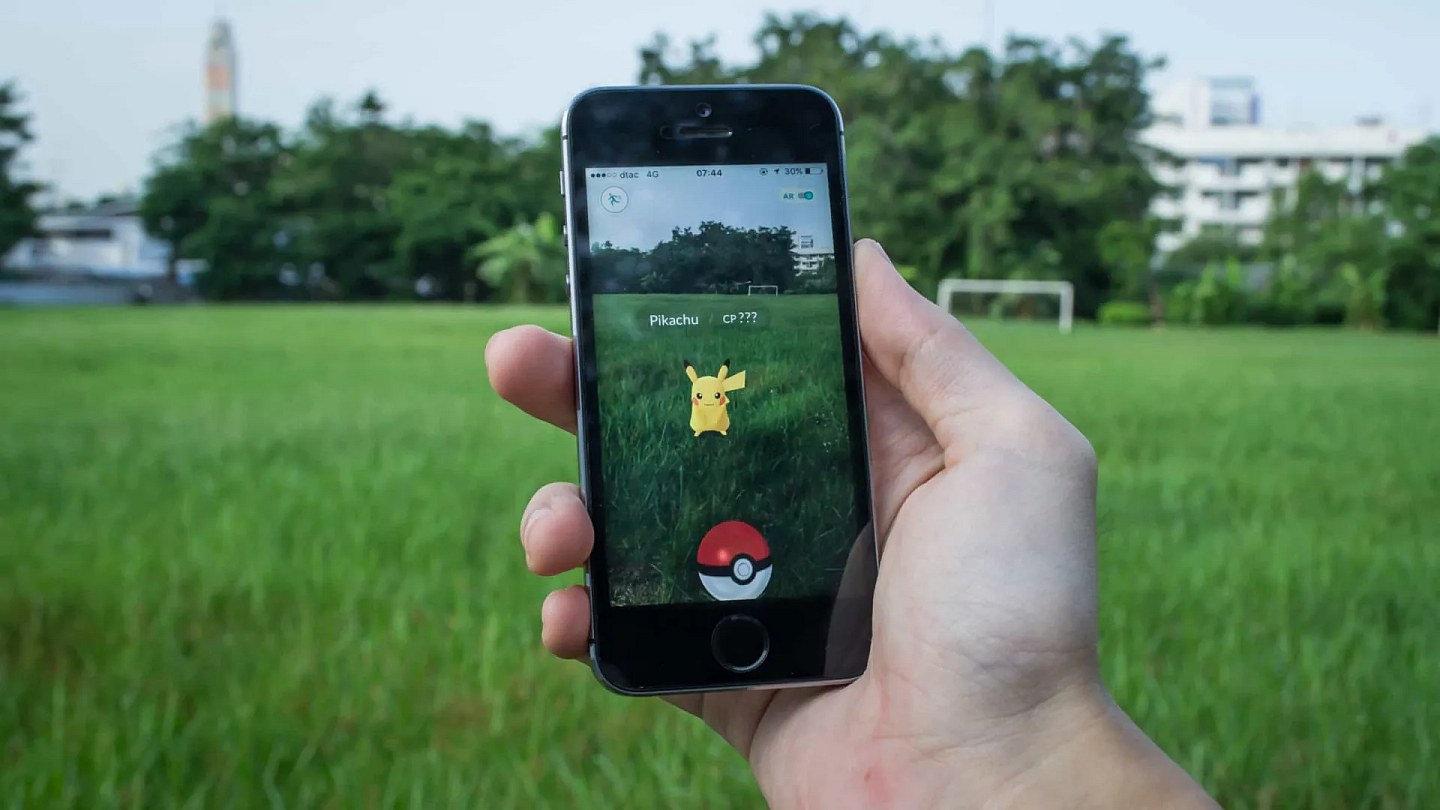
"Pokémon Go" brought these creatures into the real world. Using the cell phone's GPS, he superimposes the characters on the city map. In two weeks, the game became the most downloaded app in history. Scenes of people running through the streets in search of rare "Pokémon" have become normal. Not even Hanke could understand such euphoria.
Researchers at Purdue University estimated that the game caused 145,000 additional traffic accidents in the United States alone in the months following its release.
Ten years after the worldwide craze, the game of hunting monsters using GPS no longer draws crowds anywhere. Still, it remains alive in a way that not even the creators can explain.
Nintendo, one of the owners of the Pokémon franchise, tried to launch other cell phone games with the same mechanics, but with other characters. "Dr. Mario World" and "Dragalia Lost" were closed; "Super Mario Run" is still available, but it's never had nearly the same impact.
Niantic itself, developer of "Pokémon Go", also tried to repeat its success. In 2019, he launched "Harry Potter: Wizards Unite", with the same technology and the same logic of walking around the city with your cell phone in your hand. The game ended two and a half years later, grossing a measly R$200 million, while, in the same period, "Pokémon Go" earned around R$5.6 billion per year. Niantic tried again with "Transformers" and NBA games. Everyone failed.
The first major "Pokémon Go" crisis came in 2017. Go Fest in Chicago highlighted server crashes, common disasters during the first two anniversaries, which generated a series of embarrassing moments for the company.
Other storms came. Niantic faced complaints that the app collected excessive user data, including full access to log-ins' Google accounts. The episode generated worldwide coverage and a wave of uninstallations.
Between 2018 and 2019, the company began changing how the game worked. It introduced friendship systems, exchanges between players and team battles. WhatsApp groups started to organize meetings in squares, events and the community's own calendars.
When the pandemic closed the world in 2020, "Pokémon Go" did exactly the opposite of what its proposal suggested - it started to work from home. Niantic created collective battles at a distance and expanded the range of interaction between players. Those who had reduced mobility, lived in small towns or simply didn't have time to go out started playing for the first time. The measure saved the game financially, but created a problem for the future.
In 2023, the developer decided to reverse part of the facilities created during the pandemic. The argument was that "Pokémon Go" should return to its essence of exploring the real world. Many didn't like it. The #HearUsNiantic movement -hear us, Niantic- has taken over social media.
Two years later, another change put players on alert. Last year, Niantic sold its gaming division to Scopely for R$3.5 billion. The news was received with the usual anxiety of a community accustomed to distrusting the company's decisions.
The new management preferred to act cautiously. Prioritized fixing old bugs, improving the interface and avoiding sudden changes that could alienate players. But there is a challenge that no change of command can solve.
Niantic can't invent characters. The creatures are created by Game Freak, in Japan, for console games, which usually introduce around a hundred new monsters every three or four years.
The mobile game can only use what already exists. In November last year, there were only 99 new "Pokémon" left to be added to the game. Of the 1,025 creatures in existence, 926 were already there.
Without being able to innovate, the solution has been to recycle the old ones. They started to launch versions with different colors of the same Pokémon, regional forms -essentially the same little monster with a different appearance-, and costumes, such as Pikachu wearing a party hat or dressed as an excavator, created in partnership with a fossil museum in Chicago.
As they continue on the imaginary hunt, players experience a concern: former owner Niantic reached an agreement with the American intelligence service to train its drones to act in places where GPS does not work, such as Ukraine. Nine years of scans of the mobile game turned into war data.
So, as they cut the decade-old cake, "Pokémon Go" players have good reason to be apprehensive about the viability of a 20th anniversary party for the game.
Read Also: US Court meets States and suspends merger between Paramount and Warner for 2 weeks
Source: Noticias ao Minuto - Ultima Hora
This story was originally published by Noticias ao Minuto - Ultima Hora. Visit the original publication for further details.
Open original publication