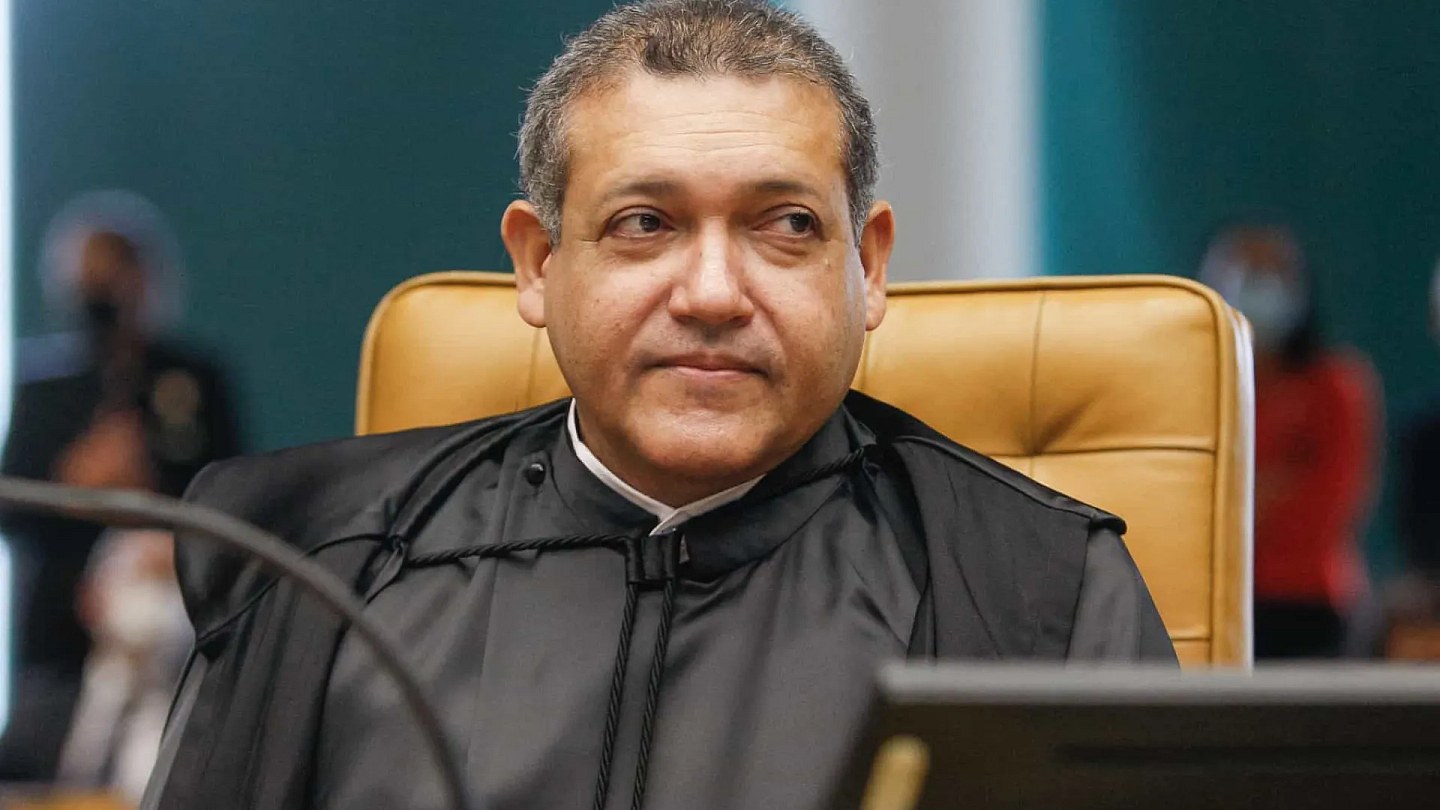
BRASÍLIA, DF (FOLHAPRESS) - The president of the TSE (Superior Electoral Court), minister Kassio Nunes Marques, is preparing a new registration model for electoral research, in which institutes will have to fill out a form to detail, among other information, the profile of the voters they intend to interview.
Kassio prepares research registration model, and experts point out risks of manipulation
BRASÍLIA, DF (FOLHAPRESS) - The president of the TSE (Superior Electoral Court), minister Kassio Nunes Marques, is preparing a new registration model for electoral research, in which institutes will have to fill out a...
One of the items under evaluation is the requirement that companies inform in advance the neighborhoods in which the research will take place - an initiative that, according to experts interviewed by the report, could give rise to undue interference and manipulation of results.
The measure is another chapter in an attempt by Kassio to determine rules for electoral research, following a decision that censored a survey by Atlas/Bloomberg and the proposal for an "accuracy seal" for institutes that publish research with results close to those determined at the polls. Both initiatives were criticized by companies and experts.
The president of the TSE has signaled to interlocutors that he considers the current research registration protocol to be generic, as, although institutes are obliged to provide a series of data on the research methodology and the profile of the samples, there is no systematization of this information.
In these conversations, Kassio assesses that the process could be more transparent, to offer access to this data to the population, political parties and campaigns that eventually wish to challenge a particular survey in court.
The minister's idea is to present the main information from each survey on a platform on the TSE website, with a "layout" that highlights each of them, facilitating consultation by candidates and the electorate.
In discussions with his team, the president of the TSE has said that the form that will be made available to institutes is a simple improvement initiative and that there will be no interference from the court in the merit of research, except in cases of judicialization.
The minister has told people close to him that the institutes need to justify, for example, any cases in which the sample of voters will be interviewed in a certain geographic area, and not in another. If research is only conducted in a specific region of a state, that information needs to be made public, he argues.
According to reports made to the reporter by the minister's assistants, another question that can be asked in the questionnaire is whether the institute took the necessary precautions to prevent robots from participating in research carried out over the internet.
Another possibility is to question the institute about its intention to show interviewees photos, audios or videos related to a candidate - a controversy that will be discussed by the TSE plenary in August, when the trial on the Atlas/Bloomberg case resumes.
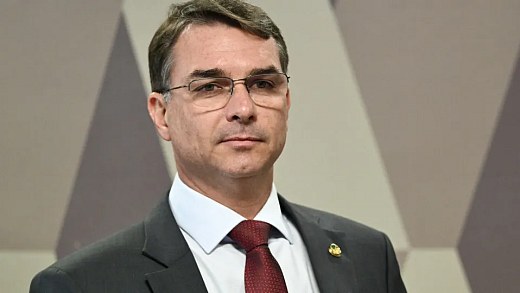
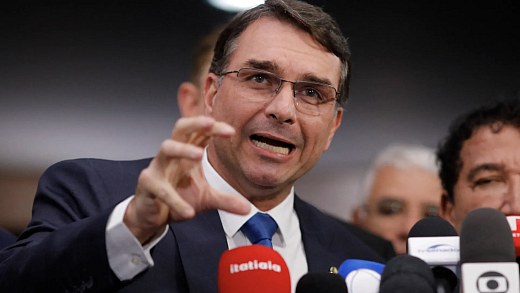
The survey, which showed a drop of six percentage points in voting intentions for senator Flávio Bolsonaro (PL-RJ), was censored by Kassio in June. The minister understood that there was "serious induction of negative perception" about the pre-candidate.
The institute showed interviewees the audio in which Flávio asks businessman Daniel Vorcaro, owner of Banco Master, for money to finance the film "Dark Horse", which tells the story of his father, former president Jair Bolsonaro.
Director of Datafolha, an opinion research institute belonging to the Folha Group, Luciana Chong understands that the form adds another step of bureaucracy, with no real gain in transparency, since the sample data is already available in the registrations currently made.
For her, the biggest concern is the possibility that companies will have to inform in advance the neighborhoods in which the survey will be carried out. "That would be absurd. Any campaign could try to interfere in the application of the research, putting its integrity at risk."
Today, research institutes that conduct face-to-face interviews take precautions to prevent political groups from actively seeking out interviewers, with the aim of manipulating the final result. This risk could be greater if the regions in which the survey will be carried out were previously disclosed.
According to the coordinator of the public opinion committee of the Brazilian Association of Research Companies, João Francisco Meira, the measure puts interviewers in a vulnerable position to hostile people.
"By informing the locations in advance, there may be an effort on the part of the campaigns to displace people who are not representative of that population", he says. "It can also mean personal risk for interviewers, who may have their work made impossible."
Meira also understands that the initiative could open space for more judicialization of electoral research, with actions presented in bad faith, just to try to delay the publication of results.
Political scientist and USP professor Maria Tereza Sadek assesses that the Electoral Court is not responsible for supervising research institutes. "The TSE has to focus on its mission, which is to organize clean and noise-free elections, which is already a Herculean task."
Experts are also against Kassio's proposal to reward institutes whose research most closely matches the official election results. The minister presented the draft text to companies last week, and is still analyzing the suggestions.
The initial draft provides for an approval seal for surveys carried out in the seven days before the election. Kassio is now considering a change - restricting this universe to surveys carried out 48 hours before the election, so that the competition for the prize is more uniform.
Read Also: TSE reinforces that the company mentioned by Flávio never produced ballot boxes for the Brazilian election
Source: Noticias ao Minuto - Politica
This story was originally published by Noticias ao Minuto - Politica. Visit the original publication for further details.
Open original publication