SÃO PAULO, SP (FOLHAPRESS) - Although Donald Trump suspended targeted attacks on Iran over the weekend, after being warned by the United States military leadership that the campaign was not having any effect, the theocracy's government rejected this Monday (27) reopening peace negotiations.
Iran rejects negotiating after Trump's attacks fail, says he will talk
SÃO PAULO, SP (FOLHAPRESS) - Although Donald Trump suspended targeted attacks on Iran over the weekend, after being warned by the United States military leadership that the campaign was not having any effect, the...
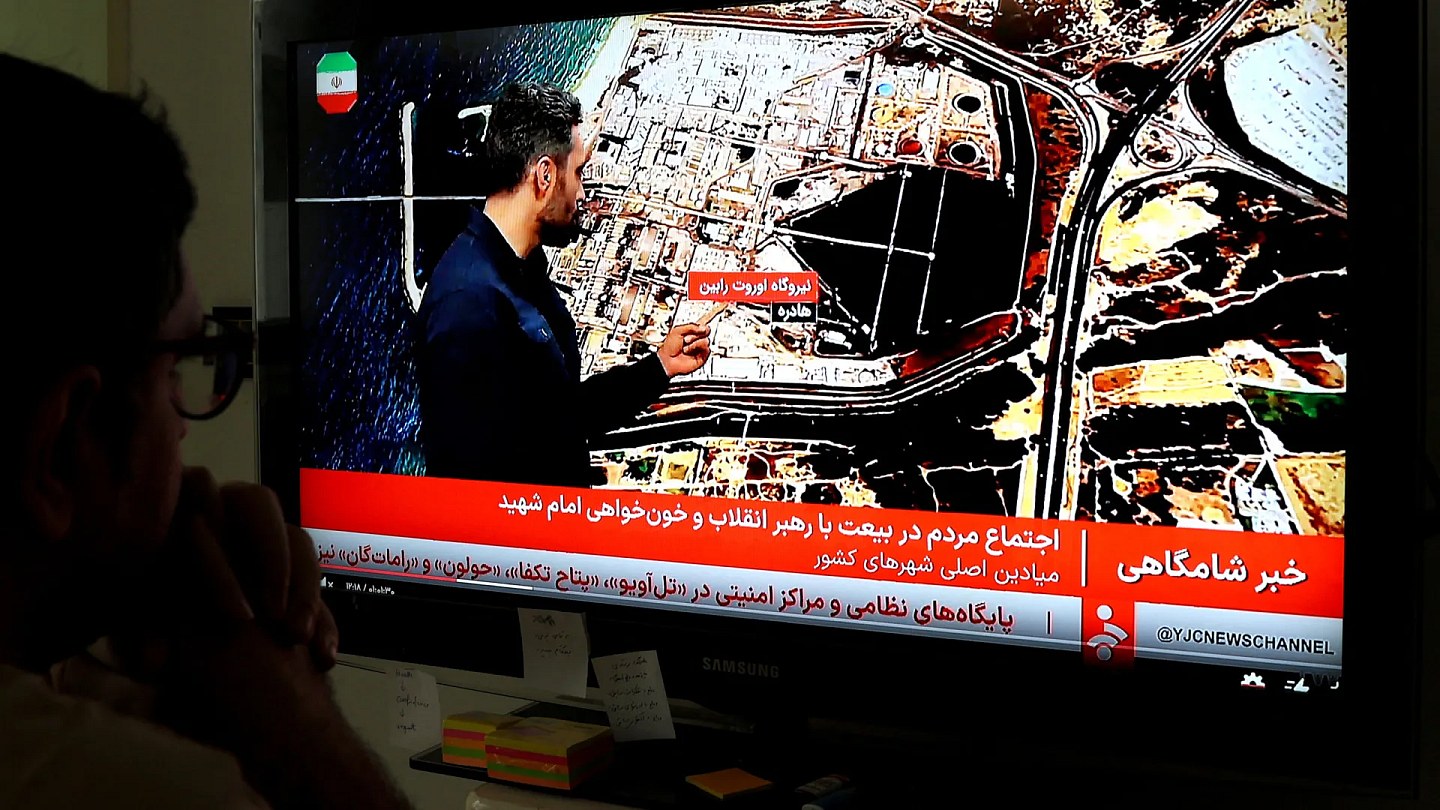
The American president told the website Axios that "he is in very deep conversations with Iran" and that he could take "strong military action" if there is no progress. He has said this before, including last week. “Either it goes quickly, or it doesn’t,” he added. Later, he cited "very friendly conversations" with his rival.
Iran's diplomatic spokesman, Esmail Baghaer, also said his country would cease retaliatory strikes in the Persian Gulf as long as Trump does the same. Still, regional groups linked to Tehran made occasional drone launches against American allies in the region, in an apparent stress test.
The American campaign had begun after the Republican declared null on the 8th the 60-day ceasefire that had been signed between the rivals on June 17th. The agreement ratified the freezing of the war in the region, whose most acute phase lasted five weeks after the first attack by the US and Israel, on February 28.
The US imposed a blockade on Iranian ports and Tehran said it had once again closed the Strait of Hormuz, the route through which 20% of the world's oil and liquefied natural gas passed before the war.
The new pause in fighting, which began on Friday night (24), calmed the markets a little, causing the price of a barrel of Brent crude to fall to just under US$90, after having surpassed US$100 last week.
According to multiple reports in the American press over the weekend, the pause was due to a warning from Dan Caine, the main US military chief.
According to the general, there were no longer any targets for the specific bombings of the last few days, and there was a risk of exhaustion of anti-aircraft defense in the region.
This Monday, to the Washington Post newspaper, Trump predictably denied the problem: "We have a lot more ammunition than we need."
Iran's retaliatory campaign was particularly punishing, hitting American bases in Jordan, Kuwait and Bahrain, officially killing four service members - reports of damage are heavily censored, but images suggest aircraft and radars were destroyed.
By initially and publicly rejecting conversations, the theocracy seeks to establish a position of strength and claim a diplomatic victory over the Americans, given that it resisted the campaign of attacks.
Furthermore, Tehran has seen the renewed dispute between its Houthi allies in Yemen and Saudi Arabia play in its favor, with the danger of disruption in oil exports through the Red Sea. Even though the rebels have their own agenda, the threat of seeing the straits on both sides of the Arabian peninsula closed increased the pressure on Trump.
This Monday, the Houhtis launched one of the specific attacks against US partners, with the launch of drones against the country's oil installations. In Iraq, other drone aircraft were fired at American bases in the north of the country, and in Jordan unidentified drones were shot down. There was no damage reported.
However, there are nuances to Tehran's move. The regime did not seek to involve Israel in the current phase of the conflict, and only signaled escalation with attacks on civilian infrastructure in the Gulf, without using full force.
The Iranians played a game of patience with the US, retaliating in a timely manner. They are not interested in reopening a broad conflict, given the degradation of a large part of their forces.
On the other hand, this doesn't even interest Trump, who also hinted at escalation by attacking Iranian bridges. The war is unpopular in the US, and the Republican faces legislative elections in November at the risk of losing control of both Houses of Congress.
While statements are being made side by side, there are still loose ends in the Middle East. Iran says it still controls Hormuz and that, on Monday, it ordered six ships that were trying to leave the region without its authorization to turn around.
With this, it tries to assert its strategic objective of exercising dominance over the region and charging tolls for ship transit.
The campaign now suspended by Trump began because Tehran had fired at oil tankers that had crossed outside the route that the theocracy had established. After that, it established a blockade that has already diverted 17 ships, boarded 2 and shot another 2. This Monday, Tehran promised to react to the embargo.
The crisis will be discussed by the American with his ally Binyamin Netanyahu in a meeting at the White House this Tuesday (28). The Israeli prime minister is also pressured by the electoral calendar: he faces elections in October in which he needs to present some results from his wars in the region.
Speaking to reporters on the presidential plane, Trump said again this Monday that Israel depends on the USA for its existence. "Honestly, we are being very nice to several countries that wouldn't survive us. And you know who wouldn't survive without us? Israel. Bibi [Netanyahu's nickname] is coming, he tells you."
In a parallel development, Iran on Monday threatened Ukraine after a Kiev drone hit a theocracy ship leaving a Russian port in the Caspian Sea. The incident, on Saturday (25), left one dead and one injured.
Read Also: Two new cases of people considered cured of HIV are announced
Source: Noticias ao Minuto - Mundo
This story was originally published by Noticias ao Minuto - Mundo. Visit the original publication for further details.
Open original publication