With just over two months to go until the 2026 Elections, the Superior Electoral Court (TSE) reinforces that electronic voting machines, used for 30 years in the country, are subjected to around 40 inspection and audit stages that involve public bodies, political parties, universities and representatives of civil society.
Find out how the electronic ballot box guarantees voting sovereignty
With just over two months to go until the 2026 Elections, the Superior Electoral Court (TSE) reinforces that electronic voting machines, used for 30 years in the country, are subjected to around 40 inspection and audit...
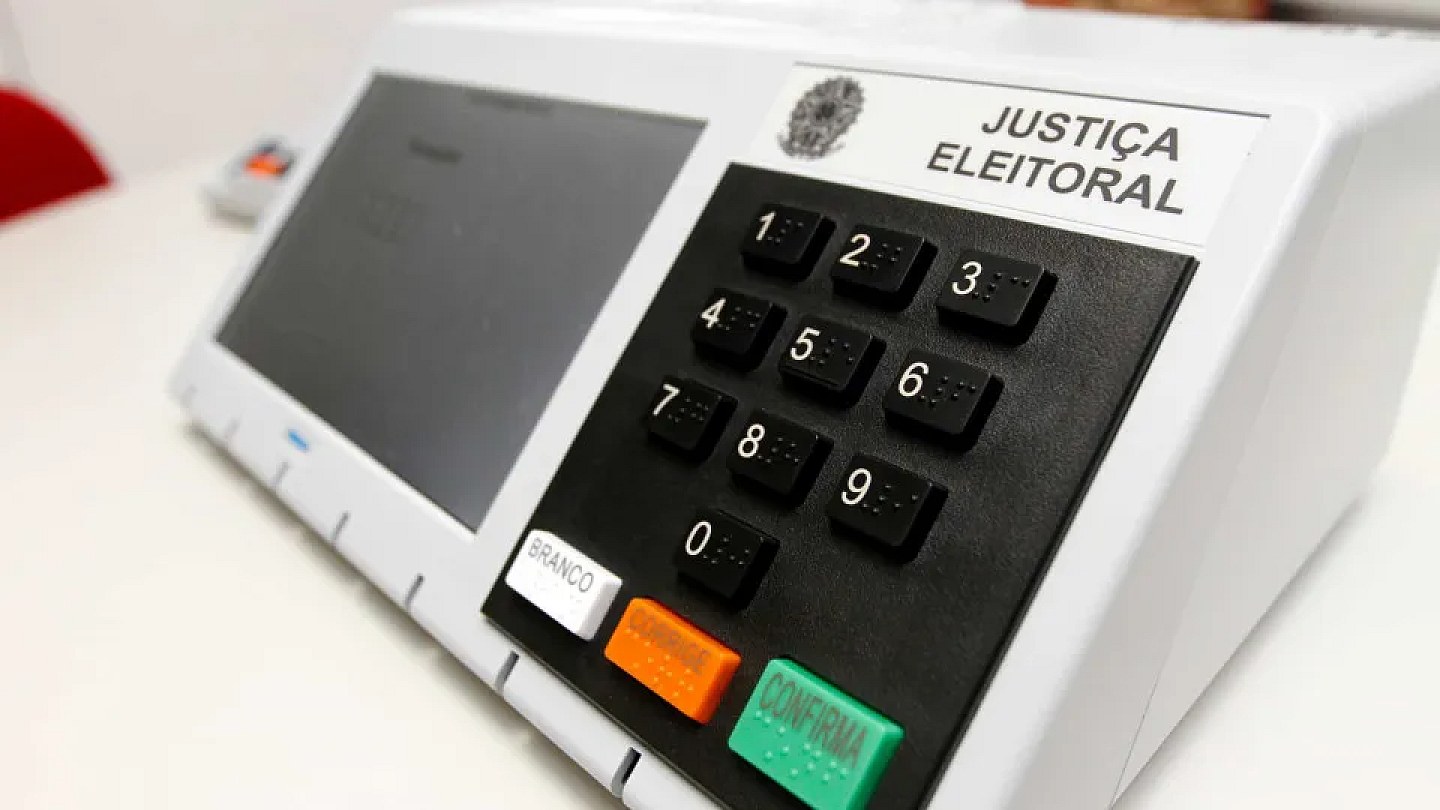
According to the Court's Secretary of Information Technology, Júlio Valente, the Brazilian system is among the most auditable in the world and does not record proven cases of fraud.
"Above any technical argument, none overrides the fact that, since 1996, we have not had any proven case of fraud in electronic voting machines."
One of the main inspection stages is the Public Security Test (TPS), always carried out in years without elections. The procedure allows any Brazilian over 18 years of age to submit proposals for attacks on electoral systems to try to identify vulnerabilities.
According to Valente, it is not necessary to be a technology expert to participate. Although professionals in the field and researchers make up the majority of participants, any citizen can submit test plans.
"The public test democratizes the possibility of validating the security of the electoral process," he stated.
If any weakness is identified, the TSE technical team implements the corrections. After that, the investigators themselves are invited to return to the court to check whether the problems highlighted were resolved before the election year.
Since its creation, the TPS has been carried out eight times and received contributions that resulted in improvements in the systems used by the Electoral Court.
For the secretary, the process means that election security is no longer an exclusive responsibility of the court and also includes the collaboration of society.
Universities and public bodies
Over the years, the tests included the participation of university researchers, technology experts and representatives of public institutions.
Among the participants in recent editions, Valente cited teams from the Federal University of Mato Grosso do Sul, universities in Rio Grande do Sul and the Federal Police.
Source code
Another stage of the inspection process is the opening of the source code of electoral systems to qualified entities. According to the secretary, all programs used in elections are available for analysis one year before the election.
Source code corresponds to the instructions that determine how computer programs work. According to Valente, all programming lines can be examined by supervisory institutions.
"There is absolutely no line of source code that is hidden, secret or not shared with these institutions." Numerous entities follow this stage, including, among others, the National Congress, the National Council of Justice (CNJ), the Federal Audit Court (TCU), the Federal Police, political parties and Brazilian universities that have information technology departments.
According to the secretary, these institutions act as independent inspection agents and reinforce the transparency of the electoral process.
Context
Last Saturday (25), the Ministry of Foreign Affairs (MRE) confirmed that it denied visas to enter Brazil to two US government officials: the Undersecretary of the Department of State for Democracy, Human Rights and Labor, Riley Barnes, and the Assistant Undersecretary Samuel Samson.
The reason, according to Itamaraty, is that the Brazilian government became aware of the US State Department's interest in sending employees to monitor electronic voting machines.
A report by The Washington Post stated that President Donald Trump's administration intended to send representatives to Brazil to raise doubts about electronic voting machines. The US State Department denied that this was the purpose of the mission.
The TSE scheduled a second meeting for August 17th with ambassadors, diplomatic representatives and international organizations, in order to explain the functioning of the Brazilian electronic voting machine, as well as the country's electoral system.
Source: Noticias ao Minuto
Next recommended read
This story was originally published by Noticias ao Minuto. Visit the original publication for further details.
Open original publication