SÃO PAULO, SP (FOLHARPESS) - Caixa Econômica Federal began distributing this Thursday (30) R$ 13.042 billion in profit from the FGTS (Service Time Guarantee Fund). The amounts are being deposited into the Guarantee Fund accounts of 138.2 million workers who had a balance in December 2025.
Caixa starts paying R$13 billion in FGTS profit; see how to inquire and how much you will receive
SÃO PAULO, SP (FOLHARPESS) - Caixa Econômica Federal began distributing this Thursday (30) R$ 13.042 billion in profit from the FGTS (Service Time Guarantee Fund). The amounts are being deposited into the Guarantee Fund...
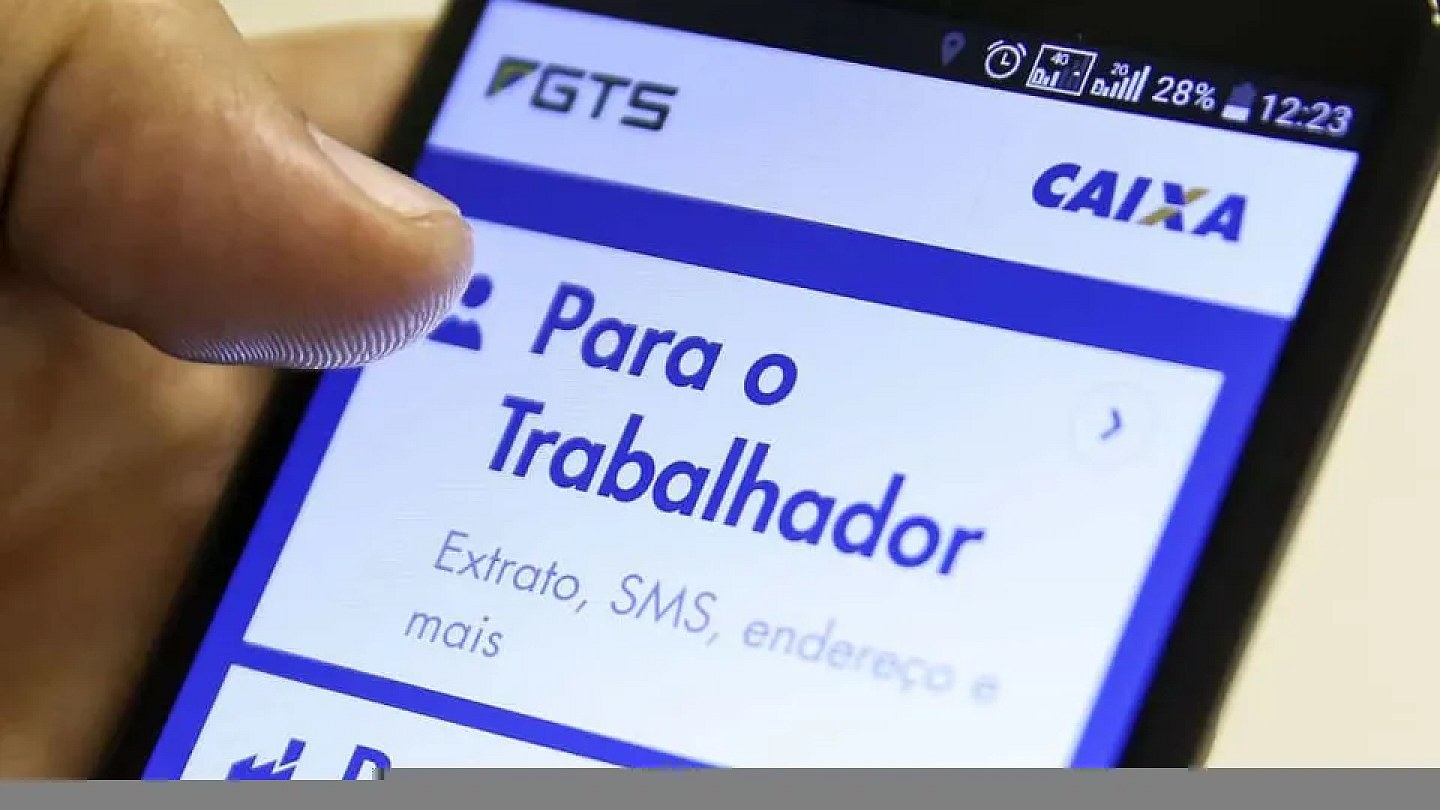
Payment is being processed and the profit amount does not yet appear in the accounts of all eligible workers. When the money is credited and the FGTS statement is updated, the information "AC CRED DIST
RESULT BASE YEAR 12/2025".
The profit money will not be deposited into the worker's current account, but into the FGTS account, the withdrawal of which is only permitted in specific situations such as retirement, dismissal and home financing.
Folha developed a calculator so that workers know how much they will receive. To use the calculator, enter the FGTS balance in December, without the need to enter a period or comma. Then click "Calculate" and the system will show you how much profit you will receive.
See the step-by-step guide to consult the FGTS:
1. Open or download the FGTS application (for the first access, you must create a password)2. If necessary, update the app3. Click on "Enter the application"4. The system will ask for permission to access some data on your cell phone; click "Continue"5. If there was an update, the application will ask for permission to access your location; You can choose the "Allow during use" option6. Enter your CPF and click "Next"7. Enter your password and go to "Sign in"; If you don't remember, choose "Recover password"8. If there was an update, the app will ask if you want to register an account; if you want, choose this option; otherwise, choose "Register later"9. On the home screen, the companies you worked for will appear; To see the balance, click on the "eye" below "Total balance"10. The balance of the last companies you worked for will appear; If you still work, the company you are working for will be first on the list11. Click on "Check all your FGTS accounts" to access the statements for each one12. On the next page, the list of companies will appear, go to "View statement" on each one of them13. Scroll down to see the amount that was in your account in December 2025, on which the profit will be paid14. For companies that are active, their "Partial Balance" will appear after the November deposit, on 12/19 -consider this value-; in other companies, it will be the partial balance on 21/1215. The profit will be paid on the total that was in the fund in December16. To save the data, click on "Generate PDF statement" and save it on your cell phone
The distribution was authorized by resolution published in the Official Gazette of the Union this Thursday (30). This year, the distribution of 89% of the R$14.7 billion profit obtained by the FGTS last year was authorized. The correction of the money in the accounts is 6.90%, and is 2.53% above inflation measured by the IPCA (Broad National Consumer Price Index) in 2025.
To find out how much was in the fund in December, you need to consult the Guarantee Fund statement in the FGTS application. It is necessary to observe the value in each account -referring to each company- and add up how much there is in total.
There are two payments in December: the 8% deposited by the employer and the correction of the amounts deposited. The value to be considered is the highest. In some cases, the highest total balance is on 12/19.
For every R$100 in the FGTS account, R$1.87 in profit is paid. As a result, anyone who has R$1,000 to receive, for example, will have R$18.68 in profit. The index applied to the accounts is 0.01868341.
When is it possible to withdraw the FGTS?
FGTS money can only be used in specific situations guaranteed by law, such as when purchasing your own home, to amortize or pay off real estate financing debt, retirement and unfair dismissal, among others.
In practice, it is not possible to use only the profit to finance your own home. When the worker requests to use the FGTS for repayment, the withdrawal is made based on the balance available in the account, which already includes monthly deposits, income and distributed profit.
Experts say that the strategy of paying off home debt makes sense, especially for those who pay high interest on financing. The recommendation, however, is to first evaluate the financial situation before using the money from the fund.
The financial planner at Planejar Diego Endrigo recommends using the FGTS balance for this. According to him, the FGTS return is usually lower than the interest charged on most current housing financing and using the amounts to make this amortization pays off, since the money from the Guarantee Fund cannot be withdrawn, only in specific situations determined by law.
Who is entitled to FGTS profit?
According to Caixa, all workers with a formal contract or who had a formal contract at some point in their professional lives and had a balance in their account on December 31, 2025 will receive the amounts relating to the distribution. 138.2 million workers will benefit.
What is the FGTS and how does it work?
The Service Time Guarantee Fund was created in 1966 as a savings fund to protect workers in the event of dismissal, illness or retirement. At the time, it was an alternative to the end of the stability of formal professionals.
The fund is made up of a monthly deposit of 8% of the worker's salary. The deposit is made by the company that hires the worker under the CLT (Consolidation of Labor Laws) regime.
The law also allows resources to be used for housing, which involves not only real estate financing, but also basic sanitation and urban infrastructure. Caixa still uses the amounts in microcredit operations.
Source: Noticias ao Minuto
Next recommended read
This story was originally published by Noticias ao Minuto. Visit the original publication for further details.
Open original publication