On July 10th, Pizza Day is celebrated, one of the most popular delicacies among Brazilians. Research released by a sector association shows that, this year, 13 new units were opened per day, the equivalent of a new pizzeria every 2 hours.
Brazil has a new pizzeria every two hours
On July 10th, Pizza Day is celebrated, one of the most popular delicacies among Brazilians. Research released by a sector association shows that, this year, 13 new units were opened per day, the equivalent of a new...
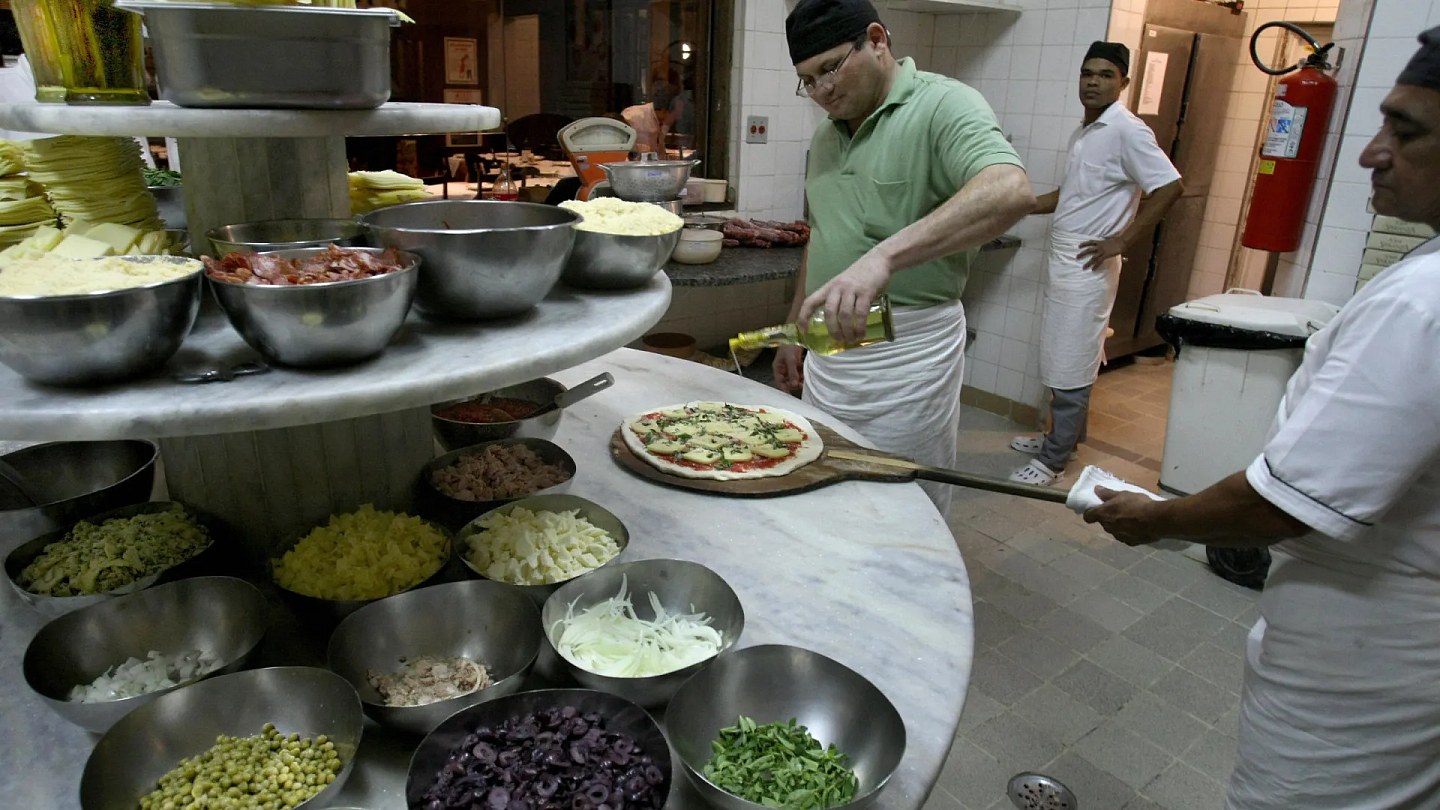
São Paulo is the second city that consumes the most pizza in the world, behind only New York. In fact, the first Brazilian pizzeria was opened in the capital of São Paulo, in 1910, in the Brás neighborhood. The recipe arrived here through the hands of Italian immigrants.
Pizza, as it is known today, has its origins in the city of Naples, Italy, where the pizza maker's art was recognized as a world heritage site.
The state of São Paulo accounts for around 30% of the country's pizzerias and the number of establishments in the capital already exceeds the number of cities in Brazil.
According to the Associação Pizzarias Unidas do Brasil (Apubra), the opening of new pizzerias in the country, between January and May, increased by 6% compared to the same period last year. There were almost 2 thousand new establishments. In total, more than 40 thousand pizzerias are in operation, and more than 2.7 million pizzas are produced every day in Brazil.
According to the research, São Paulo has the largest number of pizzerias and new establishments in the country. But the market has expanded in a decentralized way: around three out of every four new pizzerias in the country were opened outside the state. The states with the highest number of pizzerias in operation, after São Paulo, are Minas Gerais, Rio de Janeiro, Paraná and Santa Catarina.
'Betting makes you lose money': see the new rules for betting on bets
New requirements come into force on the 17th and force betting advertisements to display warnings about addiction and financial losses. The rules also expand inspection and provide for fines that can reach 20% of companies' revenue.
Source: Noticias ao Minuto - Ultima Hora
This story was originally published by Noticias ao Minuto - Ultima Hora. Visit the original publication for further details.
Open original publication