More than 90% of public-scale renewable energy capacity deployed in 2025 will generate electricity at a lower cost than the cheapest fossil alternative for new developments. As a result, renewable energy projects that came into operation last year helped avoid an estimated cost of US$480 billion in fossil fuels worldwide.
Renewables avoided spending almost US$500 billion on fossil fuels in 2025
More than 90% of public-scale renewable energy capacity deployed in 2025 will generate electricity at a lower cost than the cheapest fossil alternative for new developments. As a result, renewable energy projects that...
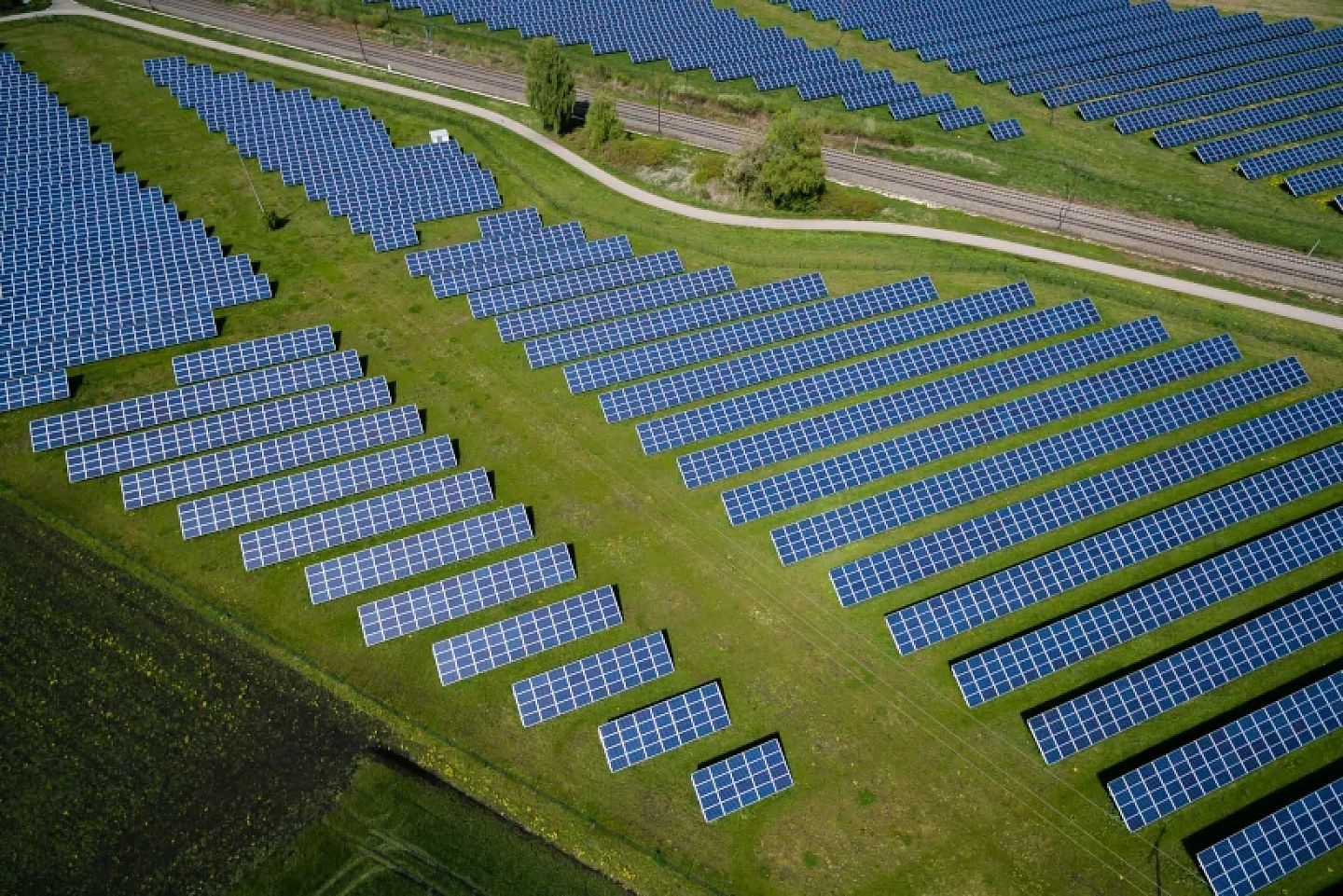
This is what the report “Renewable Power Generation Costs in 2025”, launched by the International Renewable Energy Agency (IRENA), shows. According to the document, with costs still low, renewable sources are the cheapest option for new electricity production projects in most markets, further expanding their competitive advantage in relation to fossil generation.
The cost advantage of renewables over fossil fuels has continued to increase, the report highlights. In 2025, photovoltaic solar energy maintained the same cost as in 2024, US$44 per megawatt-hour (MWh), while wind energy became even more competitive. The cost of onshore wind fell 4%, to US$33/MWh, and that of offshore wind fell 3%, to US$78/MWh, report Down to Earth, edie, Petronotícias, Business Green, Cenário Energia and Canal Energia.
On the other hand, in fossil gas electrical generation, the shortage of turbines has practically doubled the capital cost of new combined cycle plants in the United States. In markets with higher fuel prices, such as Italy, Germany and Japan, the cost of generation approached US$100/MWh. This year, with the war in the Middle East, the persistent uncertainty surrounding the crisis will likely keep gas prices high throughout the year, reinforces IRENA.
The economic benefits of renewables go far beyond generation costs, emphasizes the entity. In 20 of the main economies evaluated in the report, responsible for around 80% of renewable generation on the planet, it is estimated that, by 2025, renewable energy will have avoided the purchase of fossil fuels worth US$377 billion.
The geographic distribution of economic benefits closely reflects the global distribution of renewable capacity. China alone avoided spending US$177 billion, which reflects the scale of its generating complex. The United States ranked second in avoided fossil fuel costs at $35 billion. Brazil was close behind, with US$32 billion in avoided costs, highlight Cenário Energia and Folha PE.
"Falling renewable costs generate a powerful economic dividend. For countries that still rely heavily on fossil fuels, each additional renewable megawatt strengthens economic protection against fuel price volatility, protecting consumers, businesses and public finances from higher costs. This energy crisis has demonstrated, once again, that expanding renewable energy capacity is a strategic investment in resilience and competitiveness," said IRENA Director General Francesco La Camera.
Source: ClimaInfo
This story was originally published by ClimaInfo. Visit the original publication for further details.
Open original publication