SÃO PAULO, SP (FOLHAPRESS) - After a five-day break, the United States returned to directly bombing Iran in the early hours of this Thursday (30). The action was in retaliation for Tehran's attack on American forces in Jordan, which took place on Wednesday (29).
US resumes attacks on Iran after Trump pause
SÃO PAULO, SP (FOLHAPRESS) - After a five-day break, the United States returned to directly bombing Iran in the early hours of this Thursday (30). The action was in retaliation for Tehran's attack on American forces in...
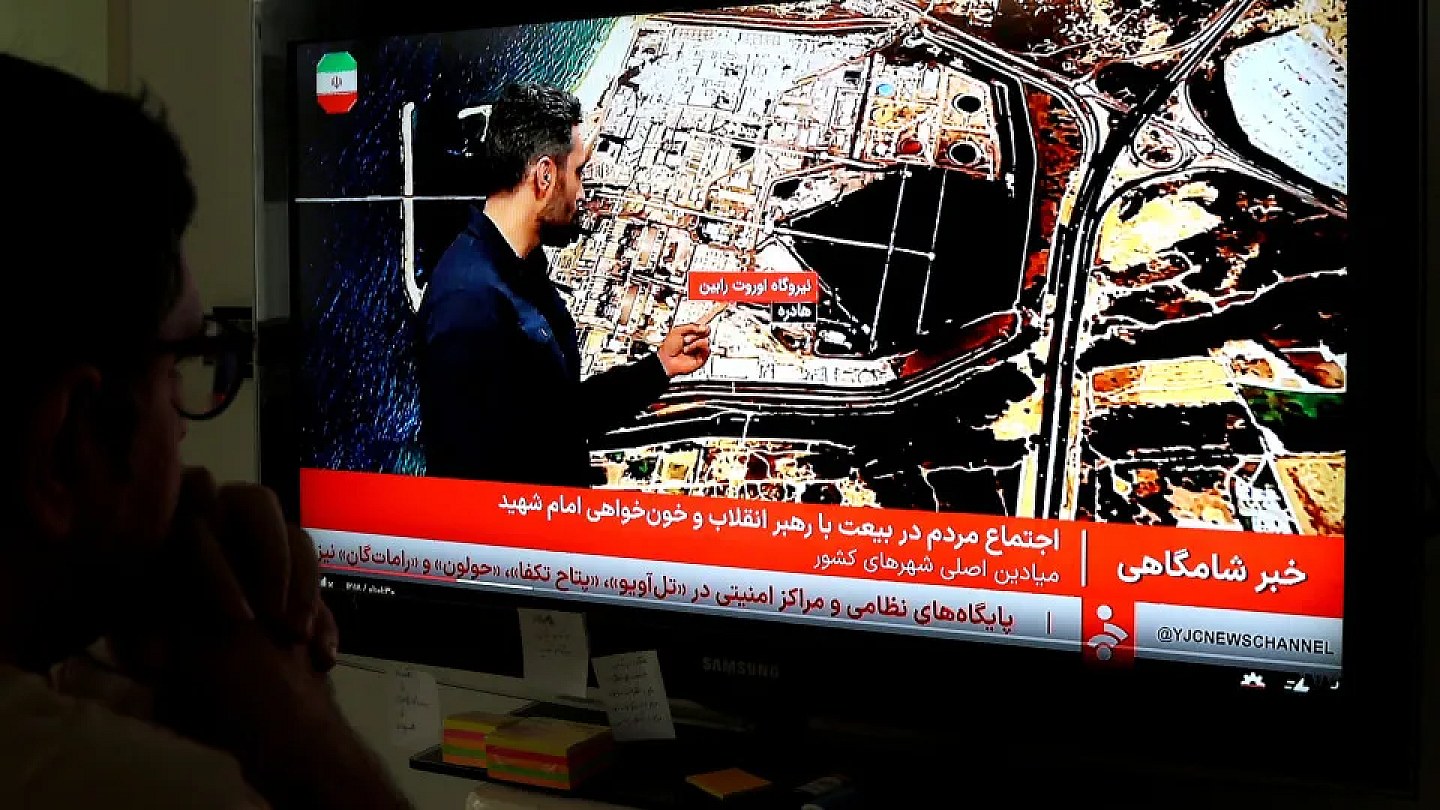
President Donald Trump had anticipated the attacks, as well as their nature, hours earlier at the White House. "So now it's our turn," he told reporters.
According to the US Armed Forces Central Command, responsible for the Middle East, the targets were Revolutionary Guard command centers and drone installations.
The bombing lasted two hours, ending at 2am local time (7:30pm in Brasília). Iran continued to launch missiles and drones against American installations in Jordan and Kuwait this Thursday morning.
With this, as Trump said, the pattern of side-by-side attacks has resumed, without the return of a broad conflict, as occurred in the five weeks since the start of the war launched by the USA and Israel to overthrow the theocracy, on February 28.
Trump had declared a pause on Friday (24) night to resume what he called "friendly talks" with Tehran, which denied contact and maintained attacks on American bases in the region.
As the government of mediator Pakistan said this Thursday, negotiations are in fact slowly underway, despite the attacks.
Military actions are a kind of language between rivals: they seek to demonstrate strength while debating central issues, as the regime's permanence in Tehran seems assured for now.
These are the control and transit of ships through the Strait of Hormuz, the ayatollahs' nuclear program and regional security, to put it simply. The first item emerges as the most urgent, given the impact on the oil and liquefied natural gas market, which had the strait as a transit route for 20% of world commodity production before the war.
This Thursday, the Iranian government stated that it was still in discussion with Oman, whose territorial waters cover half of the strait, to establish a form of joint control that includes charging tolls for cargo that passes through there.
The US and its Arab allies in the Persian Gulf publicly do not accept this, but have already given several signs that they could give in. When Trump signed a ceasefire with Iran on June 17, the memorandum did not openly oppose the arrangement.
Although the conflict appears to be under relative control in the direct confrontation between Washington and Tehran, recent days have seen several worrying developments in the region.
On Saturday (25), Ukraine targeted an Iranian ship allegedly carrying material for rival Russia's Armed Forces in the Caspian Sea. With this, Kiev sought to attract US support for its fight against Vladimir Putin's invasion, pointing to a common rival.
On Wednesday, drones attacked an Egyptian port that Tehran had listed as a target for possible retaliation for the episode.
The action against the port of Damietta caused damage to two liquefied natural gas storage vessels for the site's regasification terminal, the main one in Egypt. One of the vessels is American. So far, no one has claimed responsibility for the attack.
Also on Wednesday, the US joined Saudi Arabia for the first time in an attack on Iranian-allied militias in Iraq. The groups had been launching drones against the kingdom this week, as have Yemen's Houthis, rebels with their own agenda supported by Tehran, doing from time to time.
This all shows a spread not of the conflict itself, but of the violence associated with it, with obvious risks of escalation.
Source: Noticias ao Minuto
Next recommended read
This story was originally published by Noticias ao Minuto. Visit the original publication for further details.
Open original publication