SÃO JOSÉ DO RIO PRETO, SP (FOLHAPRESS) - A disease transmitted by ticks, spotted fever caused 17 deaths spread across at least five regions of São Paulo in the first seven months of this year. This is what a survey by the State Department of Health points out.
Spotted fever kills 17 people in São Paulo in 2026
SÃO JOSÉ DO RIO PRETO, SP (FOLHAPRESS) - A disease transmitted by ticks, spotted fever caused 17 deaths spread across at least five regions of São Paulo in the first seven months of this year. This is what a survey by...
The deaths occurred in the Epidemiological Surveillance regions of Piracicaba, Sorocaba and Campinas, with three records each; Santo André, with one; and São José dos Campos, also with one. In the remaining cases, the likely sites of infection remain under investigation.
The most recent victim is civil engineer Rubens Allan Bizarro, 37, from Americana, who died on June 30 after being admitted to the Dr. Waldemar Tebaldi Municipal Hospital. Confirmation of the cause of death was released on Tuesday (14) by the local Health Department, after issuing the report from the Adolfo Lutz Institute.
According to the city's Epidemiological Surveillance, the likely location of the infection is still being investigated by the PVCE (Scorpion and Tick Surveillance and Control Program).
The total number of deaths in São Paulo, although lower than in 2025 - when there were 44 in the entire year in the state, out of a total of 61 cases -, is a concern given the lethality of the disease. According to the state Health Department, 18 cases were officially recorded this year, of which 17 resulted in deaths.
Between 2020 and 2025, the state of São Paulo recorded 489 cases of the disease and 244 deaths.
The number of cases this year, however, could be higher, depending on confirmations of suspected cases spread throughout the interior. To date, Americana has registered 22 reports of spotted fever this year, of which 16 have been discarded, 5 are under investigation and 1 death has been confirmed. According to the Department of Health, there are no other suspected deaths related to the disease.
"Health advises the population to avoid risky places, such as areas on the banks of rivers, streams, lakes and the Salto Grande Dam, and if it is necessary to enter them, adopt precautions such as wearing light clothing, checking the body every three hours and observing symptoms, among other measures. Americana has, since 2006, relied on the PVCE, which monitors risk areas and maintains warning signs for the population, warning about the presence of the star tick in these places", informed the city hall, in a note.
Americana belongs to the Campinas Epidemiological Surveillance Group region, one of the regions with the most deaths in the state. As is the city of Araras, which accounts for two other deaths and has 25 suspected cases under investigation, the highest number in the region.
The two victims in Araras were children, an 8-year-old boy and a 9-year-old girl, both residents of Jardim Aeroporto and students at the same school. The deaths occurred in January.
Given the scenario, Araras City Hall states that it has intensified prevention measures. Among them is the training of health teams to increase early recognition of the disease, considered decisive in reducing the risk of death.
In addition to reinforcing signage in risk areas and expanding educational campaigns and monitoring places with a large circulation of capybaras, the main hosts of the star tick, vector of the bacteria that causes spotted fever.
"The two children were in a common area, which was later inspected by the Disease Control Coordination of the State Department of Health of São Paulo. Based on these cases, the Department of Health intensified the training of professionals to make early diagnosis, as well as the work to raise awareness among the population and the monitoring and identification of areas susceptible to the appearance of the arachnid in the city", informed the city hall.
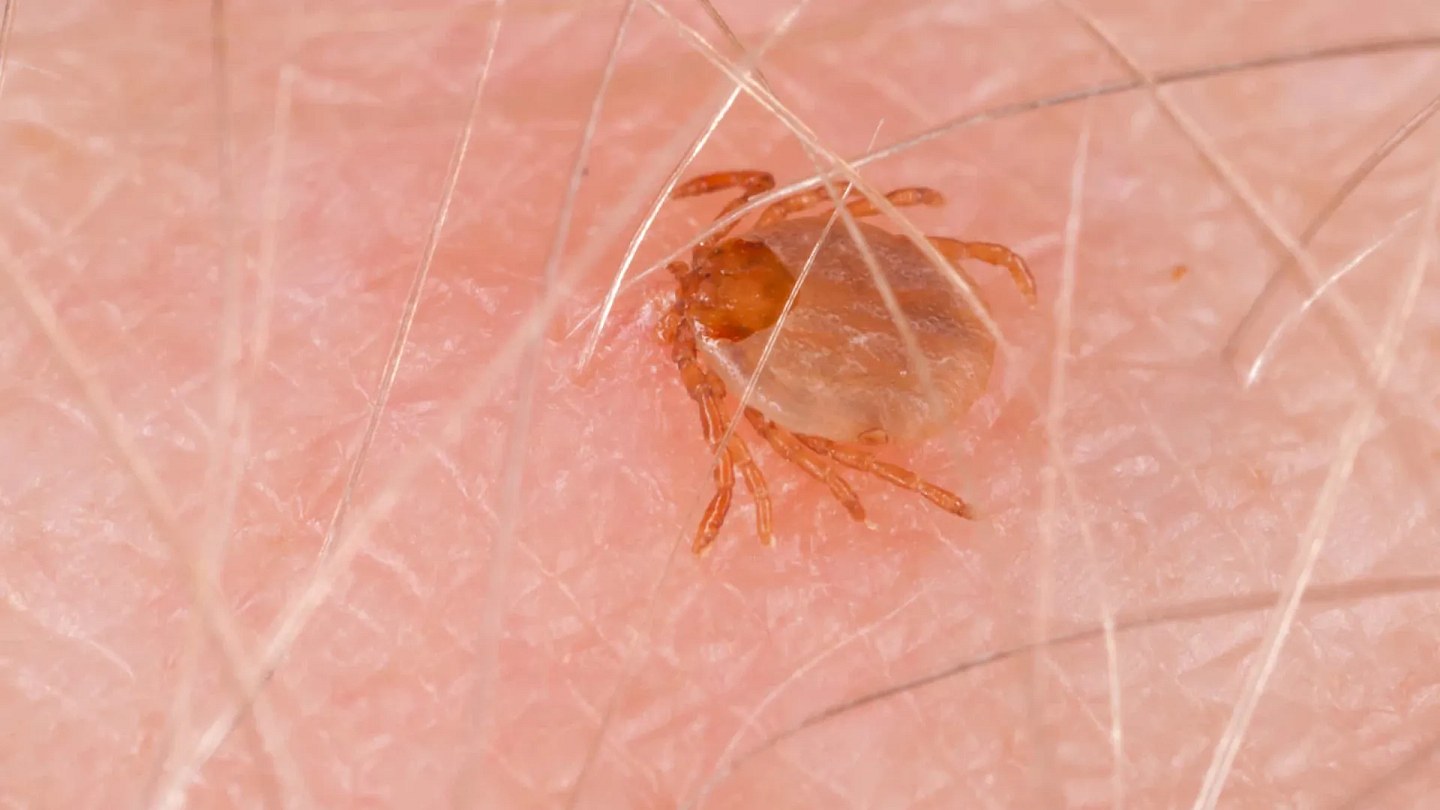
The disease is caused by a bacteria of the genus Rickettsia, transmitted by tick bites. In Brazil, two species of rickettsiae are associated with clinical signs of the disease. It is transmitted by ticks such as the "star tick", "horse tick" or "rodoleiro", often present in vegetation areas where there are animals such as capybaras, horses and even dogs and cats.
Diagnosing spotted fever is a challenge for health services because the first symptoms are confused with diseases such as dengue fever and viruses.
High fever, headache, muscle pain, nausea and malaise are usually the first signs. The reddish spots, characteristic of the disease, may only appear in more advanced stages, when the condition has already worsened.
In a note, the state Department of Health reported that it is also developing integrated actions to reduce the incidence and lethality of spotted fever, focusing on early detection, timely investigation and rapid response to cases.
"Among the main strategies are compulsory notification and epidemiological investigation of all suspected cases and deaths, continuous monitoring of the epidemiological situation, identification of likely sites of infection, strengthening laboratory diagnosis, ongoing training of health professionals for early recognition of the disease and immediate initiation of treatment, in addition to integration between epidemiological, environmental and laboratory surveillance to identify risk areas and implement prevention measures and risk communication to the population", informed the ministry.
Treatment for the disease is with antibiotics, but must be started within the first week of symptoms. The longer the delay, the greater the risk of complications and death. Therefore, the main recommendation is that people with a fever, after visiting forest areas, high vegetation or places with the presence of capybaras, horses and ticks, immediately report this exposure when seeking medical attention.
According to guidance from the Ministry of Health, simple measures, such as wearing light, long-sleeved clothing in risk areas, placing the hem of your pants inside socks, inspecting your body after walks and quickly removing ticks found on your skin help reduce the risk of infection.
Source: Noticias ao Minuto - Ultima Hora
This story was originally published by Noticias ao Minuto - Ultima Hora. Visit the original publication for further details.
Open original publication