The Ministry of Health will start offering, from August 3, a second booster dose of the polio vaccine for children aged 4 years. With this measure, the vaccination schedule against the disease now has five doses, all carried out with the inactivated polio vaccine (VIP), available free of charge in the Unified Health System (SUS).
Polio: what will the new vaccination schedule against the disease be like?
The Ministry of Health will start offering, from August 3, a second booster dose of the polio vaccine for children aged 4 years. With this measure, the vaccination schedule against the disease now has five doses, all...
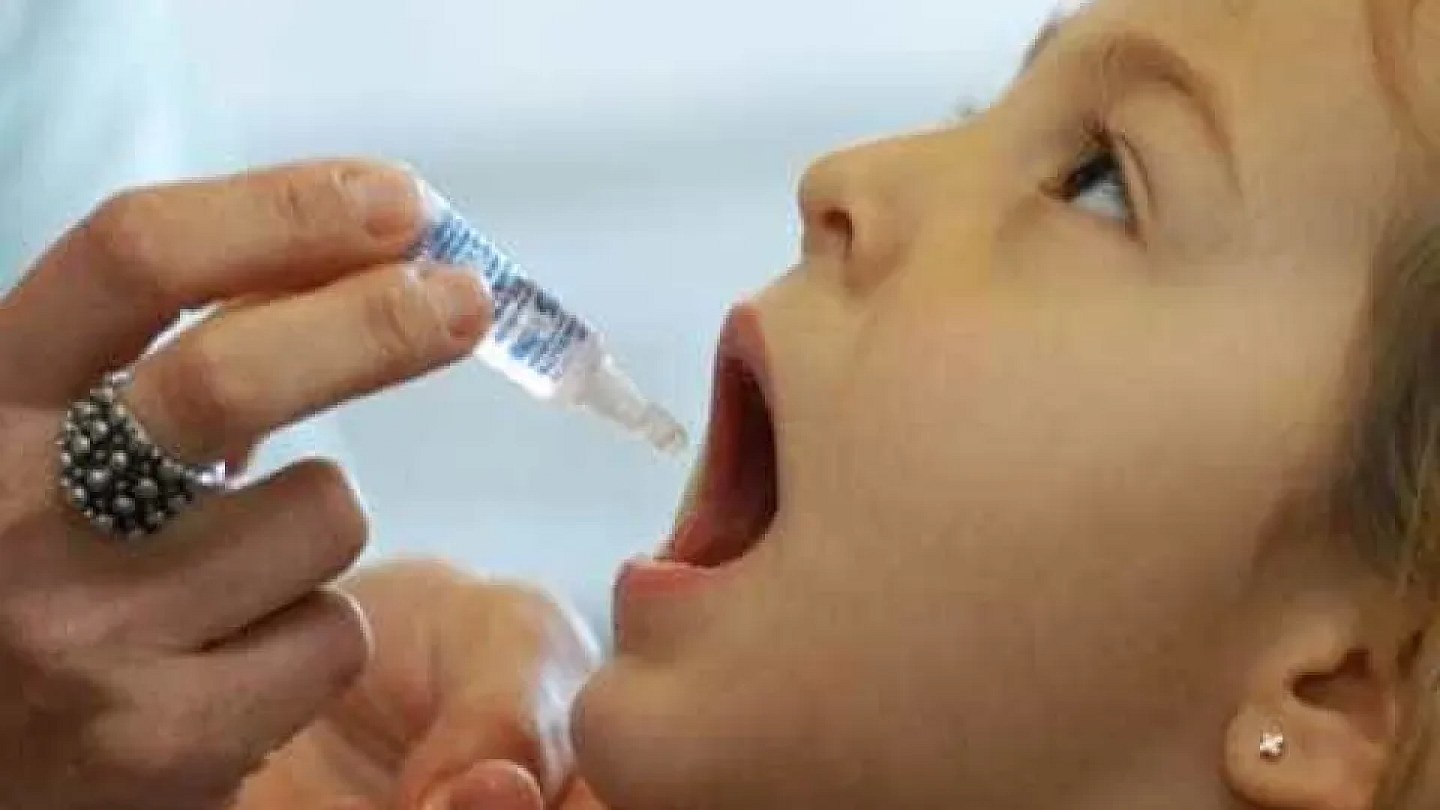
According to the ministry, the inclusion of the new reinforcement seeks to expand the protection of children and help keep Brazil free from the circulation of poliovirus. The country has not registered cases of the disease since 1989 and, since 1994, it has been certified as an area free from the circulation of the virus, alongside other countries in the Americas.
Who should get vaccinated
The update is valid for children under 5 years old. The vaccination schedule provides for three doses of inactivated polio vaccine (VIP), administered at 2, 4 and 6 months of age, followed by two boosters: the first at 15 months and the second at 4 years.
Children with an incomplete vaccination schedule should also seek a Basic Health Unit (UBS). In these cases, professionals will evaluate the vaccination record and advise on pending doses. Immunization can be carried out up to 4 years, 11 months and 29 days.
Director of the Brazilian Society of Immunizations (SBIm), Flávia Bravo explains that the new dose works as a reinforcement of immunological memory. "The antibodies reduce over time. The booster dose awakens this immune memory and increases the levels of antibodies. The greater this quantity, the longer the protection tends to last."
Why is vaccination still important?
Although polio was eliminated in Brazil almost four decades ago, the virus still circulates in some parts of the world. Currently, Pakistan and Afghanistan are the only countries where the disease remains endemic.
"As long as we have circulating viruses, maintaining high levels of antibodies is essential. This way, the population is protected", explains Flávia.
The expert emphasizes that vaccination also has a collective role. "It's a matter of personal protection and collective protection. By maintaining high vaccination coverage, we prevent that, if a virus arrives from other countries, it can spread in Brazil", he says.
The 'little drop' is in the past
Since November 2024, the national calendar has exclusively used the inactivated polio vaccine (VIP), administered by injection. The old oral vaccine, known as "droplet", was replaced after new scientific evidence supported the change in the vaccination schedule.
According to Flávia, the oral vaccine contained a live attenuated virus, that is, weakened. Although it was safe and used for many years, it had an extremely rare risk of mutating and causing disease again. VIP, in turn, uses an inactivated virus and, therefore, does not have the capacity to cause the disease or to undergo mutations that make it infective.
"Polio has been eliminated from our country, but this depends on maintaining high vaccination coverage. The guideline is that all children receive the vaccines scheduled in the calendar, including polio", recommends the specialist.
Read Also: Prouni: pre-selected candidates have until Friday to prove data
Source: Noticias ao Minuto - Ultima Hora
This story was originally published by Noticias ao Minuto - Ultima Hora. Visit the original publication for further details.
Open original publication