Getting adequate sleep is considered one of the main “ingredients” for good health. The ideal amount can be quite individual, with the population average being around seven to eight hours of sleep per night. However, sleep duration alone does not guarantee that the body is truly resting. Sleep quality is a determining factor for physical and mental recovery, and one of the main disorders that compromise this process is obstructive sleep apnea (OSA), which remains underdiagnosed.
Obstructive sleep apnea compromises rest and can affect the heart
Getting adequate sleep is considered one of the main “ingredients” for good health. The ideal amount can be quite individual, with the population average being around seven to eight hours of sleep per night. However,...
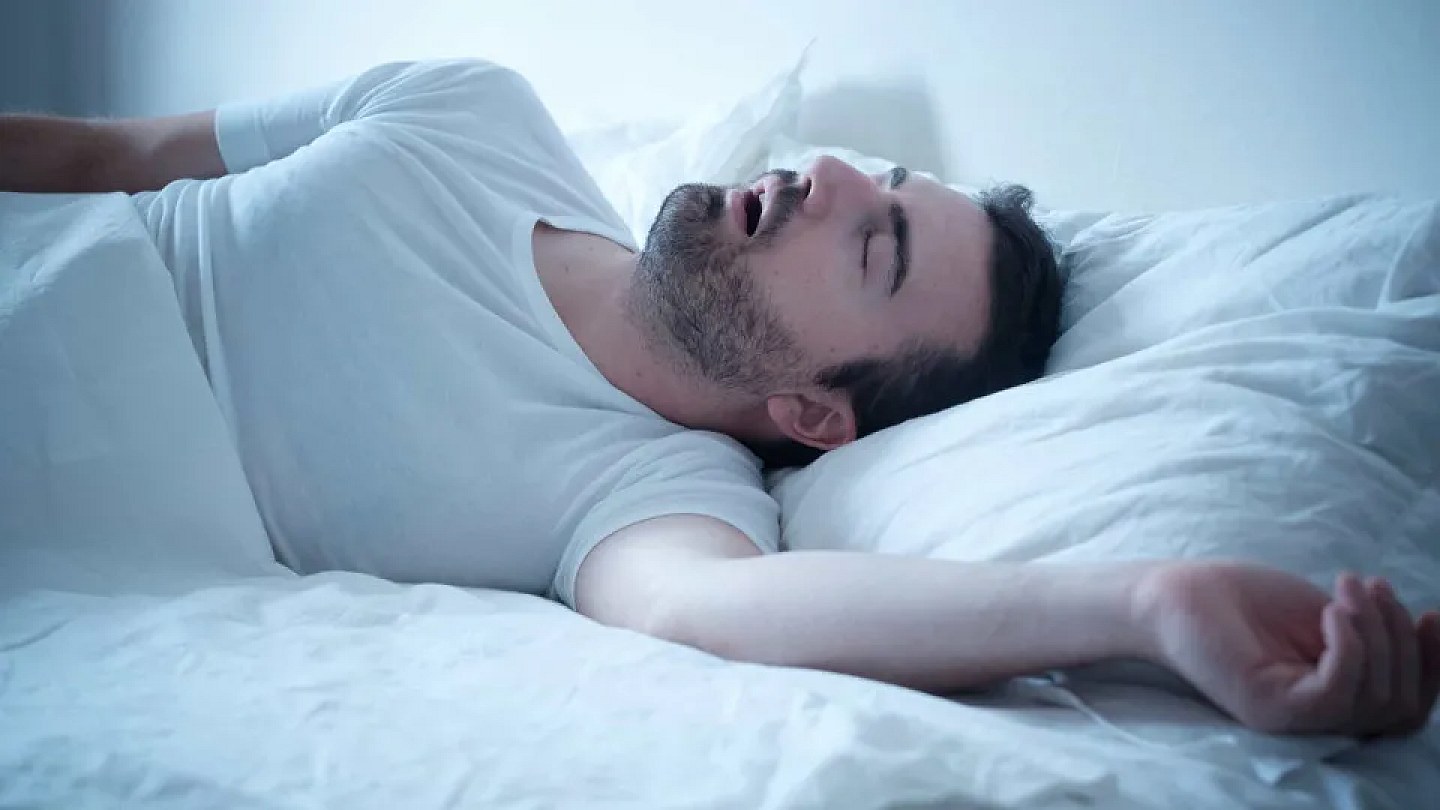
Recent data published in 2026 in the Journal of Sleep Research, which analyzed a representative sample of the population of São Paulo, demonstrated that 37.1% have obstructive sleep apnea. Furthermore, another study, published in 2019 in Lancet Respir Med, estimates that OSA affects approximately 1 billion people worldwide.
Otorhinolaryngologist and sleep medicine specialist, Dr. Danilo Sguillar, member of the Brazilian Association of Otorhinolaryngology and Cervico-Facial Surgery (ABORL-CCF), draws attention to the fact that many people believe they are sleeping long enough, but experience fragmented sleep due to repeated interruptions in breathing throughout the night and drops in oxygenation. He explains that these two factors, fragmentation and desaturation, prevent the brain from completing sleep phases crucial for brain restoration. "The number of hours slept is important, but it is not enough to define healthy sleep. A patient with obstructive sleep apnea does not complete sleep phases for a 'brain reset'. If he does not get or gets fewer hours of deep sleep and REM (Rapid Eye Movement) sleep than he should, he wakes up tired, unwell and with a feeling of unrefreshing sleep."
Ideal time?
The fact is that sleeping too little and sleeping too much can pose risks. According to Dr. Sguillar, adults should sleep, on average, between seven and eight hours per night, and sleeping less than they should may be associated with an increased risk of high blood pressure, obesity, diabetes, cardiovascular disease, depression, cognitive impairment and reduced immunity. On the other hand, sleeping more than you should, frequently, also deserves attention, as by sleeping too much, the person may be “compensating” for lost hours of sleep. “In patients with obstructive sleep apnea, spending too many hours in bed may represent non-restorative sleep,” he says.
Dr. Sguillar reinforces that good sleep, such as slow wave sleep (deep sleep) and REM sleep, are essential for achieving metabolic balance, controlling blood pressure, stabilizing body weight, as well as consolidating memory, improving mood and disposition.
Features
Obstructive sleep apnea occurs when the upper airways narrow or collapse during sleep, making it difficult or temporarily interrupting the passage of air. According to the specialist, the problem is usually associated with intense snoring, but not every patient realizes that they have these respiratory stops. In addition to drowsiness the next morning and reduced productivity, the disease is related to an increased risk of myocardial infarction; cerebrovascular accident (CVA); arrhythmias and heart failure; anxiety and depression; changes in memory and concentration, among other problems.
The fact is that a good night's sleep is not just defined by the clock. Among the main characteristics are staying asleep practically throughout the night; present few or no frequent awakenings; wake up feeling refreshed and rested and maintain a good level of attention and energy throughout the day. "On the other hand, loud and frequent snoring; breathing pauses noticed by family members; choking or a feeling of suffocation during the night; dry mouth when waking up and headache in the morning are symptoms that may indicate obstructive sleep apnea", says the doctor, saying that early diagnosis, carried out through medical evaluation and specific tests, such as polysomnography, which records respiratory, neurological and cardiovascular parameters during sleep, makes all the difference. “Treatment varies depending on the severity of the disease and may include lifestyle changes, weight control, use of intraoral appliances, continuous positive airway pressure (CPAP) therapy and, in well-selected cases, surgical procedures performed by an otorhinolaryngologist”, he reports.
Myths and Truths about sleep
Myth: Sleeping more than eight hours means sleeping better. Truth: Excessive hours of sleep do not guarantee restful rest. In some cases, it may indicate a sleep disorder, such as obstructive apnea.
Myth: Those who snore only bother those next to them. Truth: Frequent snoring is one of the main signs of obstructive sleep apnea and should be investigated, especially when it is associated with daytime drowsiness.
Myth: Apnea only affects elderly people. Truth: The disease can occur in adults of any age and also in children, although it is more common in men, overweight people and individuals over 40-45 years of age.
Myth: Waking up tired is normal. Truth: Even after seven to eight hours of sleep, waking up frequently without energy may indicate that the body was unable to adequately complete sleep cycles. And diseases related to it should be investigated
Read Also: Chocolate: see the benefits and how to choose healthier versions
Source: Noticias ao Minuto - Ultima Hora
This story was originally published by Noticias ao Minuto - Ultima Hora. Visit the original publication for further details.
Open original publication