BRASÍLIA, DF (FOLHAPRESS) - President Luiz Inácio Lula da Silva (PT) will announce this Wednesday (22) another R$ 13.5 billion in aid to companies affected by tariffs imposed by the United States against Brazilian products. In addition to the resources that will be allocated to the new stage of the Sovereign Brazil plan, there will be a contribution from BNDES (National Bank for Economic and Social Development).
Lula will announce another R$13.5 billion in aid to companies affected by tariffs
BRASÍLIA, DF (FOLHAPRESS) - President Luiz Inácio Lula da Silva (PT) will announce this Wednesday (22) another R$ 13.5 billion in aid to companies affected by tariffs imposed by the United States against Brazilian...
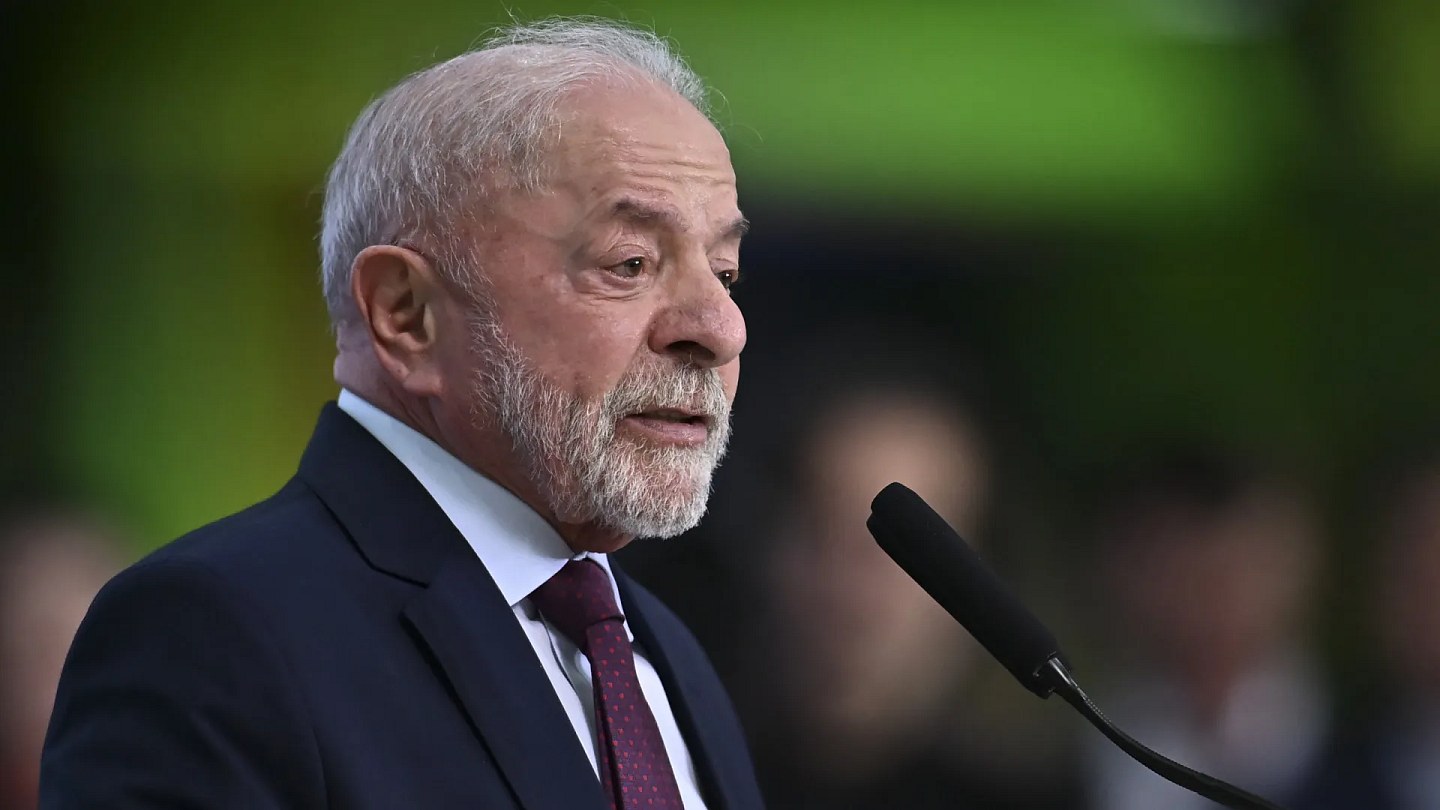
The announcement is scheduled for 3pm at Palácio do Planalto. It will be the third phase of the Brasil Soberano program. At the same ceremony as the announcement, the President of the Republic will sanction the project, derived from a provisional measure, which established the second phase of the project.
The amount of resources for the new phase of the program was anticipated by the newspaper Valor Econômico and confirmed by the report.
On Tuesday (21), sectors of the economy affected by the tariffs asked the government leadership to impose barriers on the import of Chinese products, expand credit programs and negotiate with the United States to try to reverse the tariffs without resorting to reciprocity measures.
The new tariff imposed by the President of the United States, Donald Trump, comes into effect this Wednesday. The new rate, announced last week, is 25%. There is a list of exceptions with around 2,100 items that include meat, coffee, oranges and orange juice and parts for the manufacture of airplanes, important products for Brazilian exports.
As Folha de S. Paulo showed, BNDES asked the Ministry of Finance to release an extra R$7.25 billion to reinforce the credit lines created by the federal government to reduce the effects of tariffs.
According to the bank, the lines allow financing up to 100% of investments, with a payment period of up to 20 years and a grace period of up to four years, in the case of investment projects. Interest rates vary depending on the type and profile of the company, but the bank estimates final costs between 7.9% and 13.5% per year for investments and 10.2% to 15.7% per year in working capital operations.
UNDERSTAND THE BRAZIL SOVEREIGN PLAN
The Sovereign Brazil Plan is a credit program created in 2025 by the federal government to help Brazilian companies affected by tariffs imposed by the United States and the impacts of the war in the Middle East.
In 2026, R$21 billion in financing was made available, of which R$15 billion came from the Treasury, through the FGE (Export Guarantee Fund) and another R$6 billion through the BNDES (National Bank for Economic and Social Development).
The program offers four types of credit. The main one is focused on investment projects, such as building factories, expanding industrial plants and modernizing facilities. Along these lines, financing can cover up to 100% of the project, with payment in up to 20 years and a grace period of up to four years. There is also a line for working capital, designed to reinforce companies' cash flow, with a term of up to five years and a grace period of up to two years.
Another part is focused on working capital for exports, in addition to a line intended for the acquisition of machinery and equipment, which can also be paid in up to five years, with a grace period of up to one year.
In addition to longer terms, its main attraction is the cost of credit. Rates vary depending on the modality and company profile, but the BNDES estimates final interest between 7.9% and 13.5% per year for investment projects and between 10.2% and 15.7% per year for working capital operations.
The idea is to offer more advantageous conditions than those normally found in the private market, so that companies can maintain their plans and protect themselves from instability.
Source: Noticias ao Minuto - Economia
This story was originally published by Noticias ao Minuto - Economia. Visit the original publication for further details.
Open original publication
