(FOLHAPRESS) - Dismissal, a health problem, an accident or a home renovation that cannot be postponed can unbalance any family's finances. Without an emergency fund, unexpected expenses often lead to debt, late bills or the need to take out loans.
If you were fired or had an accident, see how to prepare for unforeseen financial events
(FOLHAPRESS) - Dismissal, a health problem, an accident or a home renovation that cannot be postponed can unbalance any family's finances. Without an emergency fund, unexpected expenses often lead to debt, late bills or...
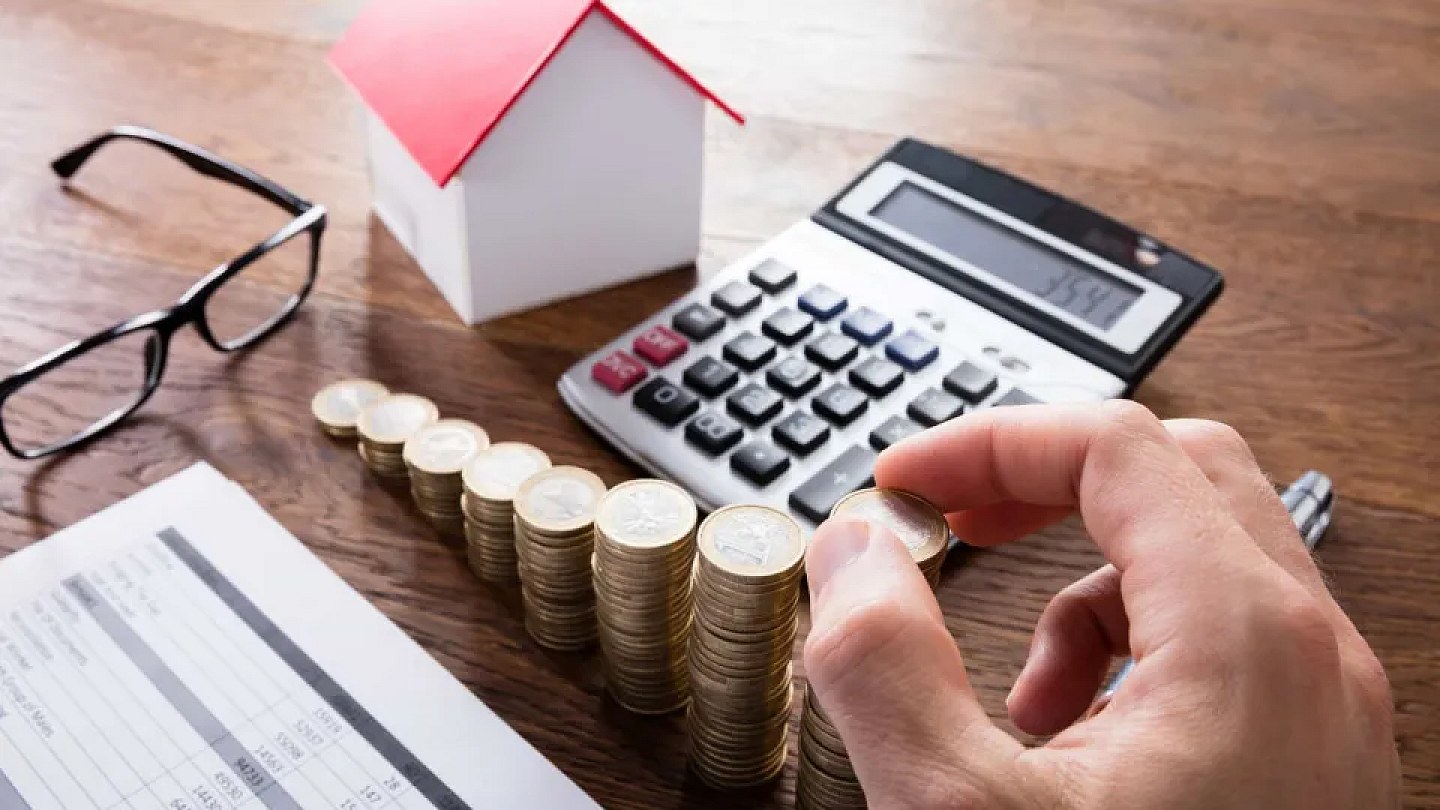
Although experts recommend building a financial cushion, there are other strategies that help reduce the impact of unforeseen events, such as insurance and alternative sources of income.
"The unforeseen is not a question of if, but of when. If you build this complete trench, you will have a strong shield and unforeseen events will become annoying setbacks, not financial tragedies", says financial educator Pablo Ganassim.
Public servant Helena Pontes, 45, faced divorce, health problems and expenses for a master's degree, which added to the financial commitments already assumed.
THE BASICS DONE RIGHT AND EMERGENCY RESERVES
As an aggressive investor or someone who barely understands the differences between fixed income and variable income products, the understanding is that everyone is subject to dealing with setbacks and that it is important to set aside an emergency fund.
1. Map your monthly cost: How much do you spend on living each month? What are the fixed expenses (such as water, electricity, rent, grocery) and what are the variable expenses (eating out, cinema, etc.)?2. Multiply the cost so that it covers 6 to 12 months of life. This should be the total value of your reservation.3. The reserve needs to be in low-risk, highly liquid assets, where it should be allocated. For this, there are CDBs with daily liquidity or public bonds such as the Treasury Reserve.4. Invest in it in a disciplined way.
Investment specialist Anderson Moreira suggests that the reserve be allocated to low-risk and highly liquid assets, such as a CDB (Bank Deposit Certificate) with daily liquidity or the Treasury Reserve. In addition to keeping money saved, it yields more than savings.
Daily liquidity also allows money to be redeemed at any time, which makes it suitable for unexpected times. Bank boxes and piggy banks are good for not leaving money sitting in your checking account, but they do not replace long-term investments.
"The reserve must be set up according to the person's life profile", says Moreira. For him, a CLT professional or public servant, as they have greater income predictability and stability, may have a smaller emergency reserve than a self-employed person, who tends to have greater fluctuations in monthly income.
"Many people find it difficult to set up a financial reserve in a social and economic context in which there is a constant increase in the cost of living and growing family debt", says Helena Pontes.
"There is great pressure on workers' income. So, personally, even though I was a server, I was never able to make a reservation due to these factors."
BEYOND THE RESERVATION
The adoption of property protections, such as car, cell phone and home insurance can also help, as long as it fits into the budget. "These protections end up bringing an extra dose of security and can be useful for reducing costs in times of unforeseen circumstances", says Moreira.
Financial educator Pablo Ganassim also suggests evaluating taking out insurance.
- Property protections such as life, car, cell phone, life and home insurance, as long as they fit into the personal budget; - A second cash reserve, in addition to the emergency reserve, that covers one to three months of life; - Private pension with quick redemption and that covers cases of disability; - Another alternative is to seek extra income.
In addition to the reserve, Ganassim suggests creating a second "piggy bank", covering one to three months of life, aimed at paying off expensive debts or taking advantage of investment opportunities without having to touch the main emergency reserve. There is also, according to him, the alternative of private pensions that offer quick redemption in cases of disability.
"The best protection against dismissal is the ability to generate income quickly", says the financial educator.
Mercadante counters Flávio: BNDES with Lula approves 78.6% more credit for SP than Bolsonaro
President of BNDES stated that the bank approved R$163 billion in credit operations in São Paulo during the Lula government, a volume 78.6% higher than that recorded in the four years of Jair Bolsonaro's administration
Source: Noticias ao Minuto
Next recommended read
This story was originally published by Noticias ao Minuto. Visit the original publication for further details.
Open original publication