(FOLHAPRESS) - Confirmed cases of measles in 2026 in the municipalities of São Paulo, São Bernardo do Campo, in ABC, and Guarulhos, in the metropolitan region, led the Ministry of Health to recommend vaccination against the disease for the entire population aged 6 months to 59 years in the three cities. The guidance is valid even for those who are already immunized.
Answer your questions about measles and vaccination to contain the spread of the disease
(FOLHAPRESS) - Confirmed cases of measles in 2026 in the municipalities of São Paulo, São Bernardo do Campo, in ABC, and Guarulhos, in the metropolitan region, led the Ministry of Health to recommend vaccination against...
The recommendation will be applied during the National Multivaccination Campaign, aimed at children and adolescents up to 14 years, 11 months and 29 days, between August 3rd and September 1st.
Babies aged 6 months to 11 months and 29 days living in the three cities must receive a zero dose of the triple viral vaccine, which protects against measles, mumps and rubella. The application does not replace the doses provided for in the National Vaccination Calendar. The child must normally follow the routine vaccination schedule, described below.
In November 2024, PAHO (Pan American Health Organization) recertified Brazil for the elimination of measles, rubella and congenital rubella syndrome. It was the second time that the country received the certificate. The first, delivered in 2016, was lost in 2018, after new outbreaks were recorded.
What is measles? What are the main signs and symptoms?
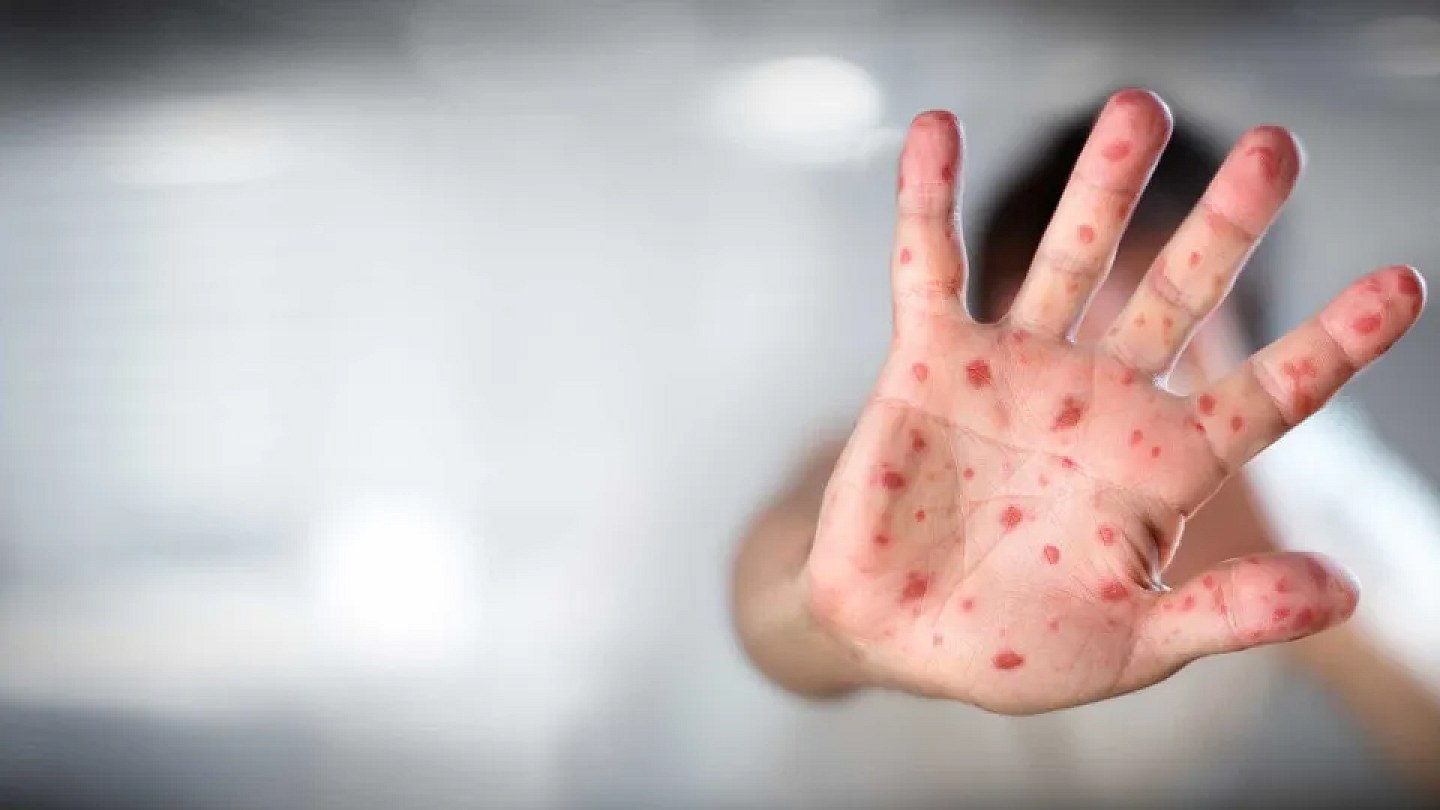
Measles is a vaccine-preventable, respiratory-transmitted disease caused by a virus. The person may have a high fever, red spots on the body, called rashes, conjunctivitis, runny nose, malaise and dry cough.
How does transmission occur?
Transmission occurs from person to person, through the air, when coughing, sneezing, talking or breathing.
What is the treatment?
There is no specific treatment. Symptoms are treated to reduce discomfort.
What are the most serious complications that the disease can cause?
Measles can cause pneumonia, ear infections, encephalitis and death.
Which population is most at risk?
Children under 5 years old, especially those under 1 year old, and immunocompromised people are among the most vulnerable groups.
Can measles symptoms be confused with those of other diseases?
Yes. The signs can be confused with those of other exanthematous diseases, such as dengue fever, which can also cause red spots called petechiae, and rubella, which has similar symptoms. Conjunctivitis, fever, rash and malaise, especially in children, help to raise the suspicion of measles.
Why is measles considered one of the most contagious diseases in the world?
The measles virus has a very high transmission potential and can remain suspended in the air for up to two hours. This means that, even after an infected person leaves an environment, the virus can continue to be present and infect other people.
When does an infected person start transmitting measles?
Transmission can occur from six days before to four days after the appearance of the spots. Symptoms usually appear four to six days after infection.
Is the measles vaccine safe?
Yes. The vaccine is considered safe and effective and is among those with the least restrictions on its use.
Where can the vaccine be found?
It is available free of charge in all UBSs (Basic Health Units) in the 645 municipalities in the State of São Paulo.
Does the measles vaccine have contraindications? Can pregnant women take it?
The vaccine is contraindicated for immunosuppressed people and babies under 6 months. Anyone who is allergic to any of its components or has already experienced an adverse reaction should seek advice from a health unit.
Pregnant women should not receive the vaccine, as it is made up of a live, attenuated virus, which poses a risk during pregnancy.
Anyone who has had measles is immunized forever?
Yes. Anyone who has had measles develops enough immunological memory to protect themselves for the rest of their lives. However, anyone who does not know whether they have had the disease or does not have proof of vaccination should be immunized.
The current guidance for São Paulo, Guarulhos and São Bernardo do Campo is that all people between 6 months and 59 years old receive the vaccine, even those who are already immunized.
Why does low vaccination coverage make it easier for diseases like measles to return?
When a significant portion of the population is not vaccinated, the virus finds it easier to establish itself and circulate. Vaccine hesitancy and the spread of false information contribute to this scenario.
Vaccinated people who come into contact with the virus have a lower risk of developing serious conditions and transmitting it, which reduces its circulation. Therefore, maintaining high vaccination coverage is essential to prevent the return of diseases that have already been eliminated. In the case of measles, the goal is to immunize at least 95% of the target audience.
With the cases in 2026, could Brazil lose its certificate as a measles-free country?
For now, the certification is maintained. The country, however, could lose it again if there is sustained transmission of the disease for a year.
Who should get vaccinated against measles
In São Paulo, São Bernardo do Campo and Guarulhos
Zero dose: children aged 6 months to 11 months and 29 days.
From August 3rd, anyone aged 6 months to 59 years old must get vaccinated, regardless of vaccination history.
Routine in other Brazilian municipalities
The schedule recommended by the Ministry of Health provides for two doses: the first at 12 months, with the triple viral vaccine, which protects against measles, mumps and rubella, and the second at 15 months, with the tetraviral vaccine, which also includes protection against chickenpox.
People aged 1 to 29 must have two doses of the triple virus. Adults aged 30 to 59 must have received at least one dose. Healthcare professionals must provide proof of two doses, regardless of age.
Source: Tatiana Lang, director of CVE-SP (São Paulo State Epidemiological Surveillance Center).
If you were fired or had an accident, see how to prepare for unforeseen financial events
Experts recommend calculating monthly expenses, creating a reserve capable of covering six to 12 months and keeping the money in safe, quick-return applications. Insurance, extra income and a second reservation t
Source: Noticias ao Minuto
Next recommended read
This story was originally published by Noticias ao Minuto. Visit the original publication for further details.
Open original publication