JOSÉ HENRIQUE MARIANTEBERLIM, GERMANY (FOLHAPRESS) - In recent weeks, Portugal was relatively spared from the second heat wave, the most severe in history, that hit Europe. That luck, scientists said, has now run out. The third heatwave of the year is already taking place on the continent, leading Lisbon to issue alerts, take measures and request help from neighbors to contain forest fires.
Europe prepares for third heat wave; adaptation and deaths are a concern
JOSÉ HENRIQUE MARIANTEBERLIM, GERMANY (FOLHAPRESS) - In recent weeks, Portugal was relatively spared from the second heat wave, the most severe in history, that hit Europe. That luck, scientists said, has now run out....
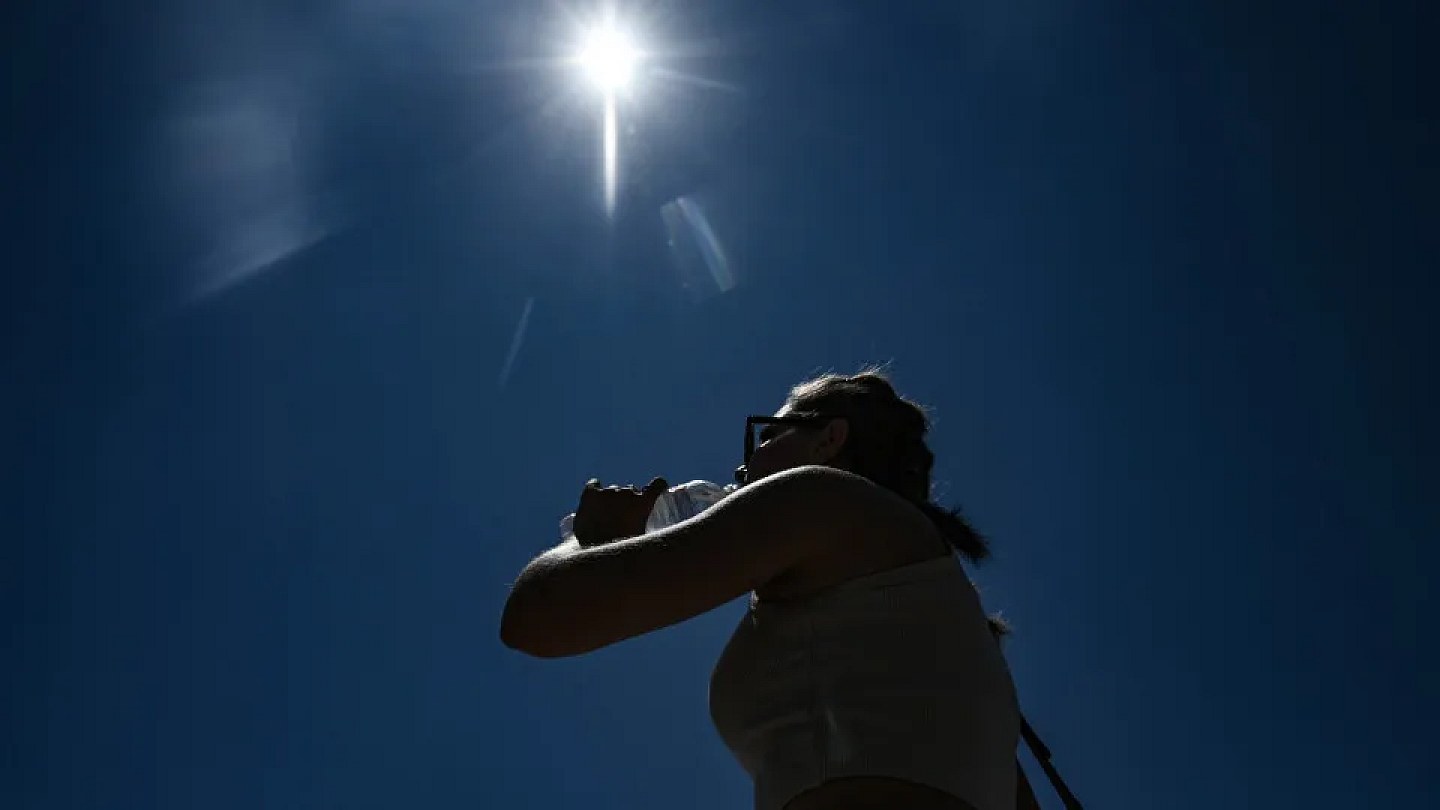
"Exceptional situation", said the Prime Minister, Luís Montenegro, when justifying an advance request for air support for Morocco, Spain and the European Union. Almost 3,000 firefighters were mobilized, bans on agriculture and forest management came into force. With thermometers at 40°C in some regions, six points of fire had already been fought since Friday (3).
Montenegro strictly follows the script adopted by most European governments last month, the hottest June on record in the United Kingdom, France and Switzerland. This is about action before any type of discussion. Paris was the most eloquent example. It imposed a series of restrictions in the city, from the circulation of vehicles to the sale of beer.
And with a simple justification: the hospitals were full.
"One of the big changes we've seen over the last ten years and are now confirming in many parts of Europe is the transition from heat as a personal threat, from something you deal with individually, to heat as a public threat," says Ruth Engle, data scientist at the World Resources Institute (WRI).
"There are many opportunities for public action. The most important thing is to understand how and where people are exposed to heat. It could be at home, as they move around the city and often at their workplace. It could be in schools too. In all of these places, measures need to be taken to protect them."
In 2025, explains the expert, there will be more deaths caused by extreme heat than by traffic accidents. According to the World Health Organization (WHO), heat waves are the extreme weather events that kill the most on the planet today.
There were an excess of 2,025 deaths in France from June 22 to 28, an increase of 29.1% compared to the previous week. The numbers remain underestimated, but they already give clear signs of who suffers most from the heat and where: 85% of those killed were over 65 years old; 62% lived in Île-de-France, which encompasses the metropolitan region of Paris.
Just as the massification of air conditioning dominated parliamentary debates across the continent, the accounting of deaths became an object of dispute between the French Prime Minister, Sébastien Lecornu, and members of Les Écologistes, the country's green party.
During a session of the National Assembly, the prime minister classified as "scandalous" the projection made by political rivals that the number of victims could reach 10,000.
This would put the projection close to the historic heat wave of 2003, when almost 15,000 French people died. That summer, excess deaths caused by extreme weather reached 70,000 in Europe. Since then, many changes have been adopted, starting with warnings of extreme events, protocols and legislative triggers _laws and capabilities that come into force in a given circumstance.
"There are lots of examples. And one really good thing about heat measures is that small steps can add up to each other," says Engel. "Amsterdam, for example, is investing in more shade, whether from trees or buildings. Barcelona is placing cooling centers in the hottest places in the city."
In Athens, early warning systems are being implemented to help the population stay informed, access resources and know when and how to act. Berlin has been carrying out public awareness campaigns, a modest step, in the opinion of the local Green Party, which calls for the Spanish model of cooling centers in air-conditioned buildings, such as museums and public offices.
Engel recognizes that the process has many frictions, but considers that the general outlook is positive. "Across Europe, we have seen responses that I think are promising. And now, as regional and continental heatwaves intensify, we will need to start bringing together some of the knowledge from these different programs and come up with a more regional plan to deal with the heat across Europe."
The readiness of governments to adapt to climate change shows that simply recognizing the occurrence of global warming, caused mainly by the burning of fossil fuels, is no longer enough.
The requirement is now to know what will be done to mitigate thermometers that remain at temperatures above 30°C. At the end of the second wave, Germany, Poland, the Czech Republic, Slovakia and Hungary surpassed annual absolute temperature records.
At the beginning of the third, fires hit not only Portugal, but also Spain, southern France and Greece. There are droughts in Italy and Germany. And there is optimism, says Engle.
"One of the things my team does frequently is use datasets that show successful interventions and that can help guide local planning and planning in other cities. Cities learning from each other, countries learning from each other. That makes a big difference."
Read Also: Jerusalem wants to charge municipal tax to Christian churches
Source: Noticias ao Minuto - Ultima Hora
This story was originally published by Noticias ao Minuto - Ultima Hora. Visit the original publication for further details.
Open original publication