A slice of natural or slow fermentation bread can have between 1 and 2 grams of fiber. The nutrient is important for intestinal function, helps with satiety and can contribute to controlling cholesterol and blood sugar. But, when the goal is to increase your daily fiber intake, there are foods that deliver much more than a simple slice of bread.
Eight fiber-rich foods to include in your diet
A slice of natural or slow fermentation bread can have between 1 and 2 grams of fiber. The nutrient is important for intestinal function, helps with satiety and can contribute to controlling cholesterol and blood sugar....
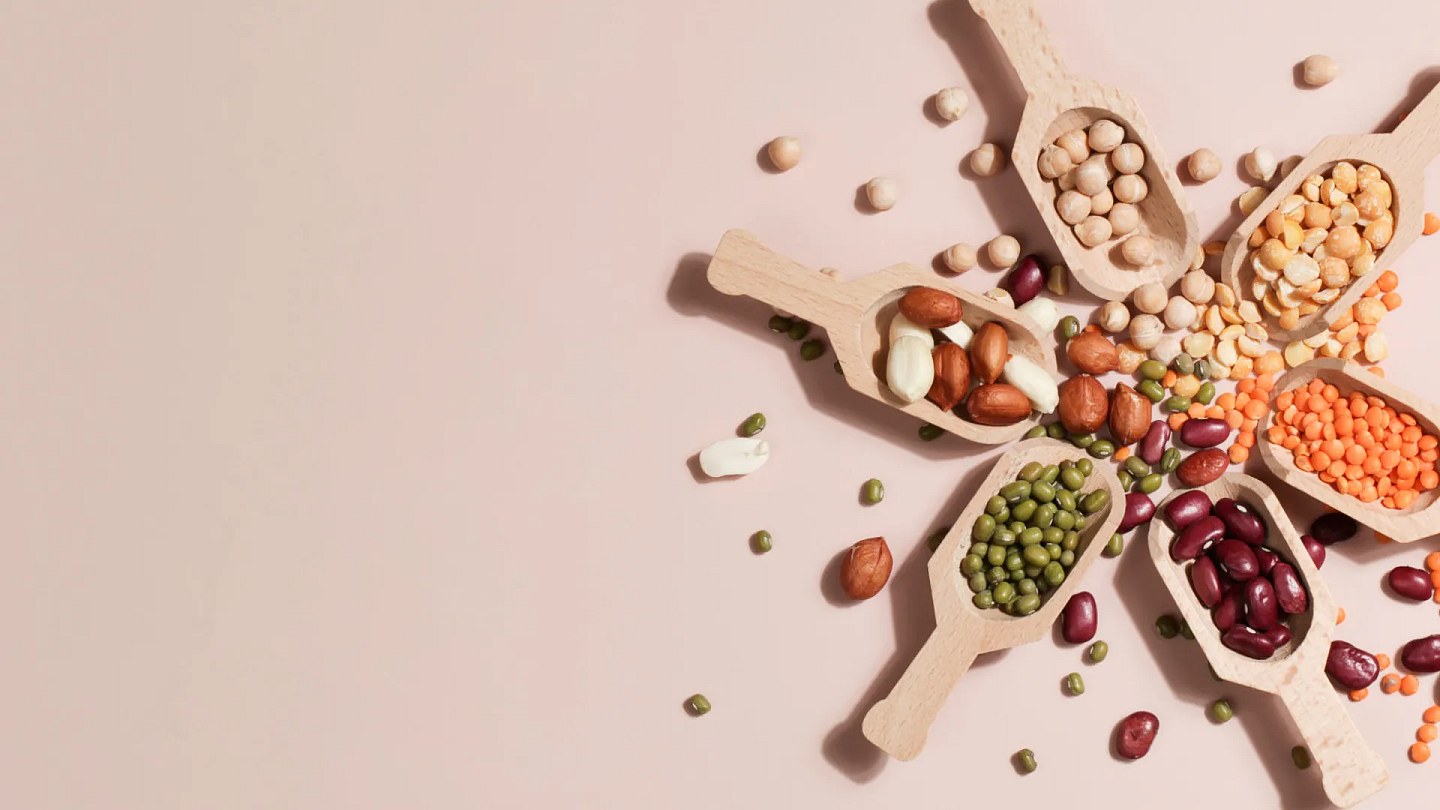

In an article published on the Health website, nutritionist Lindsey DeSoto listed fiber-rich options that can be included in your eating routine. See some examples.
Foods with more fiber than naturally fermented bread
1. Lentils
Lentils are among the plant foods richest in fiber. One cup cooked can provide more than half the daily recommendation for most adults. Additionally, they are a good source of vegetable protein, with around 18 grams per cup.
2. Black beans
Black beans combine soluble and insoluble fiber. Soluble ones help control cholesterol and blood sugar levels. Insoluble foods promote bowel function and help prevent constipation.
3. Avocado
Avocado offers a good amount of fiber in a single fruit and also contains monounsaturated fats, associated with heart health. This combination helps slow digestion and prolongs the feeling of satiety, which can help control appetite.
4. Chia seeds
Even in small portions, chia seeds contain a lot of fiber. The soluble fiber present in them absorbs liquids and forms a type of gel in the digestive tract, helping to slow down digestion, balance blood sugar levels and increase satiety.
5. Raspberries
Raspberries are small fruits, but very rich in fiber. One cup can provide almost a third of the daily nutrient requirement, in addition to being a light option for snacks, yogurts and desserts.
6. Pears
Pears are practical, easy to transport and can provide almost 20% of your daily fiber target. Much of this nutrient is in the peel, so the ideal is to consume it without peeling it. The fruit contains soluble and insoluble fiber, which helps with digestion and cholesterol maintenance.
7. Artichoke
Artichoke hearts are among the vegetables richest in fiber. They contain inulin, a prebiotic fiber that feeds the beneficial bacteria in the intestine, promotes digestion, contributes to immunity and can help reduce inflammatory processes.
8. Oats
Oats are one of the best-known options when it comes to fiber. Much of the nutrient comes from beta-glucan, a soluble fiber that can help reduce cholesterol and keep blood sugar levels more stable after meals.
Study: 2 foods you should eat to improve heart health
Grapes and blueberries can be valuable allies for cardiovascular health. A review of studies concluded that regular consumption of these fruits, rich in polyphenols, is associated with reduced inflammation, lower blood pressure and improved blood vessel function, helping to protect the heart.
Source:
Noticias ao Minuto - Ultima Hora