Colorectal cancer, which affects the large intestine (colon) and rectum, is among the most common types of cancer in Brazil. The good news is that the disease can be prevented and has a high chance of being cured when identified early.
Colorectal cancer: see which preventive exams to take and at what age
Colorectal cancer, which affects the large intestine (colon) and rectum, is among the most common types of cancer in Brazil. The good news is that the disease can be prevented and has a high chance of being cured when...
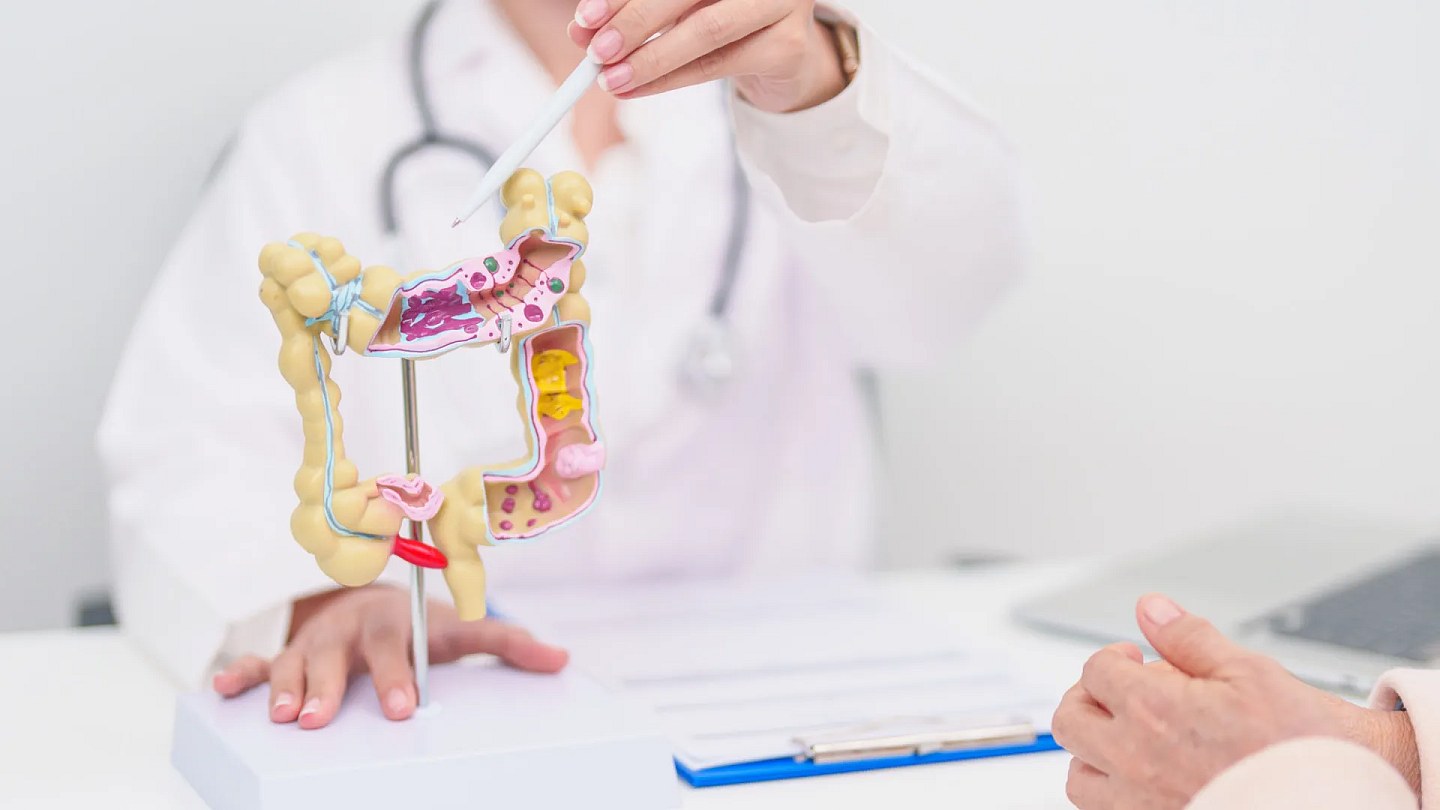
To achieve this, knowing the tests available and knowing when they should be carried out is essential, as explained by oncologist and professor of the Medicine course at the University of Cuiabá (Unic), Marcelo Bumlai. "One of the great differences of colorectal cancer is that, in many cases, it develops from polyps, which can be detected and removed even before they become malignant. This is why preventive exams are so important to reduce mortality from the disease", he highlights.
Check out the main tests used in the prevention and early diagnosis of colorectal cancer:
1. Colonoscopy (from age 45 for people without risk factors)
Considered the main test for preventing colorectal cancer, colonoscopy allows viewing the entire large intestine and rectum. During the procedure, the doctor can identify and remove polyps that could become tumors in the future. "In addition to diagnosing early lesions, colonoscopy also acts to prevent the disease, as it makes it possible to remove suspicious changes during the examination itself", explains Dr. Bumlai.
2. Fecal occult blood test (from the age of 45, as per medical advice)
The test detects small amounts of blood in the stool that are not visible to the naked eye. It is a simple, non-invasive method used in population tracking programs. You need a diet to be able to do it.
3. Fecal immunochemical test (FIT) (from age 45)
Similar to occult blood testing, FIT has greater sensitivity for identifying bleeding related to intestinal injuries. If the result is positive, a colonoscopy is generally recommended. This test is easy in that no diet or intestinal preparation is required to perform it, and the collection is carried out in the patient's own home. This test should be available via the single health system at the beginning of the second half of this year for people between 50 and 75 years old.
4. Rectosigmoidoscopy (from the age of 45, in specific situations)
The exam only evaluates the final portion of the large intestine and rectum. Although it has more limited use than colonoscopy, it may be indicated in some cases to investigate symptoms or screening.
5. Computed tomography colonography (as per medical recommendation)
Also known as virtual colonoscopy, it uses images obtained by tomography to evaluate the intestine. It may be an alternative for patients who cannot undergo conventional colonoscopy.
6. Genetic tests (when there is a family history)
People with multiple cases of colorectal cancer in the family or hereditary syndromes may benefit from genetic testing to assess their increased risk of the disease. "Patients with a family history should seek specialized evaluation, as in some cases screening needs to start before the age of 45", warns the specialist.
Dr. Marcelo Bumlai warns that periodic consultations with a specialist should be carried out at any stage of life in the face of symptoms or risk factors. “Medical monitoring is essential to define which screening methods are most suitable for each person”, he adds.
When to anticipate the exams?
The recommendation to start screening at age 45 applies to individuals without known risk factors. However, people who have a family history of colorectal cancer, intestinal polyps, inflammatory bowel diseases or hereditary genetic syndromes may need to begin investigation earlier. It is important to seek medical attention if symptoms such as:
Blood in the stool;
Persistent change in bowel habits;
Prolonged constipation or diarrhea;
Frequent abdominal pain;
Unexplained weight loss;
Anemia or excessive tiredness.
Read Also: 60% of Brazilians feel anxious when away from their cell phones, study shows
Source: Noticias ao Minuto - Ultima Hora
This story was originally published by Noticias ao Minuto - Ultima Hora. Visit the original publication for further details.
Open original publication