SÃO PAULO, SP (UOL/FOLHAPRESS) - A new genetic analysis of the Shroud of Turin, the linen fabric that, according to Christian tradition, would have wrapped the body of Jesus Christ after the crucifixion, has revealed a complex biological history accumulated over the centuries.
What a new DNA study reveals about the history of the Holy Shroud
SÃO PAULO, SP (UOL/FOLHAPRESS) - A new genetic analysis of the Shroud of Turin, the linen fabric that, according to Christian tradition, would have wrapped the body of Jesus Christ after the crucifixion, has revealed a...
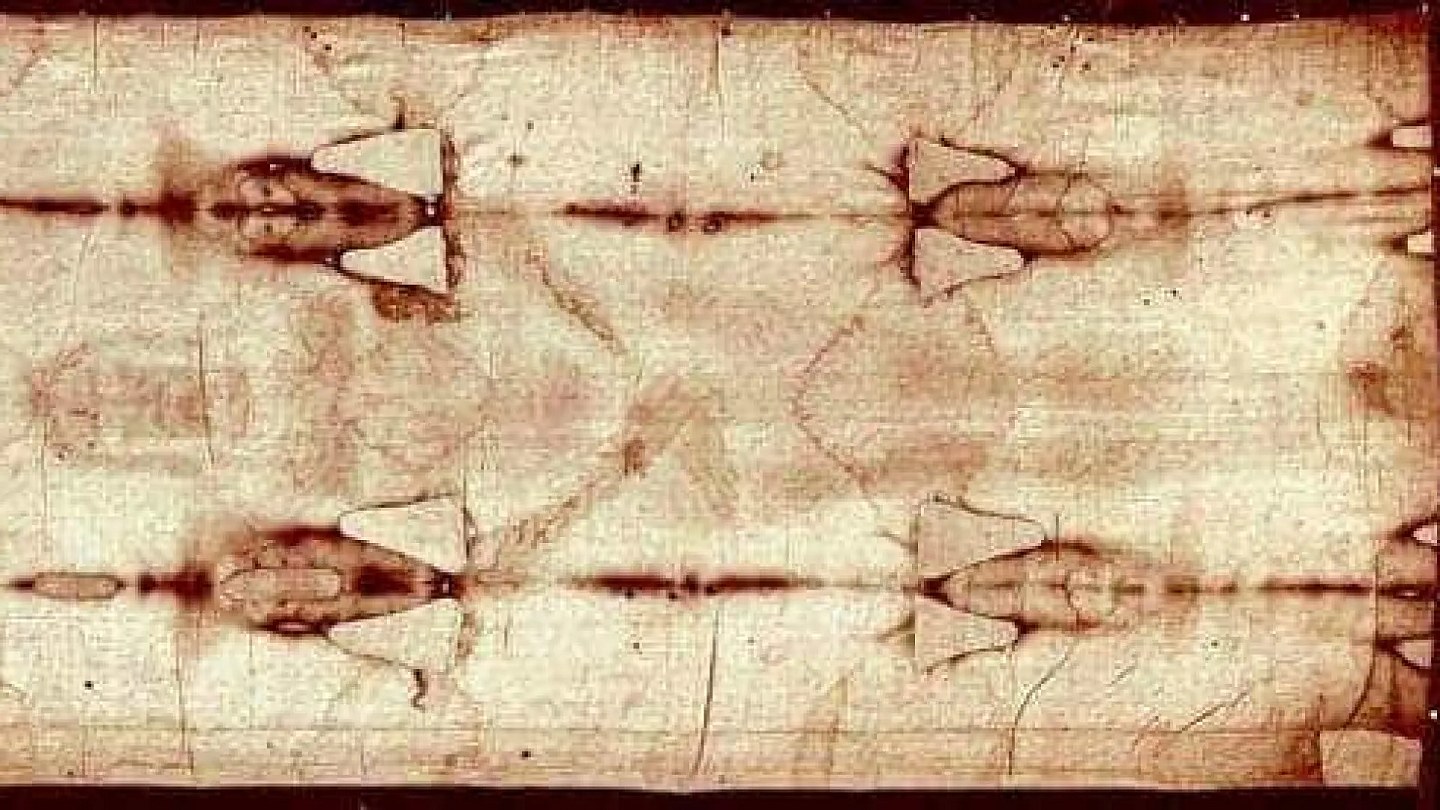
Traces accumulated throughout history. Published in the scientific journal Scientific Reports, the study identified traces of human DNA, plants, animals and microorganisms present in the flax fibers, offering an unprecedented view of the artifact's trajectory, without, however, determining its authenticity or age.
The research was conducted by scientists from the Universities of Padua and Pavia, in Italy, in collaboration with international institutions. Using modern genetic sequencing techniques, researchers analyzed official samples collected from the Shroud in 1978 and reconstructed the set of biological signatures preserved in the tissue.
The analyzes identified several lineages of human mitochondrial DNA. Furthermore, they detected a microbiome composed of bacteria, fungi and microorganisms adapted to saline environments.
Among the materials identified are genetic traces of cultivated plants. For example: wheat, carrots, corn, bananas and peanuts, as well as domestic animals, including cattle, pigs, chickens, dogs and cats. The researchers also found Mediterranean red coral DNA in the samples analyzed. According to the researchers, this set of evidence also helps to reconstruct the history of storage, transport and handling of the Shroud over the centuries.
Research does not prove authenticity. Authors say the research was unable to establish the age or authenticity of the Shroud, but it showed how modern forensic genetics tools can reveal information about its biological history. In a statement released by the University of Central Lancashire, in the United Kingdom, forensic science professor Noemi Procopio, one of the study's authors, stated that new genetic techniques made it possible to extract unprecedented information from samples collected almost five decades ago.
"The Shroud of Turin continues to fascinate historians, scientists and the public, and we are excited to reveal new information about the biological complexity preserved in samples collected almost 50 years ago, applying new state-of-the-art DNA forensic technologies," said Noemi Procopio, in a statement from the University of Central Lancashire.
The researcher added that the tissue functions as a true biological archive accumulated over time. "The Shroud represents a rich archive of genetic information accumulated over centuries of human interaction and environmental exposure. While DNA evidence cannot answer all questions about the age or authenticity of tissue, it offers new insights into its biological history and demonstrates how advances in forensic science can reveal new information from historical artifacts."
Contamination accumulated over the centuries. In another statement, released by the Universities of Padua and Pavia, the research coordinators emphasize that centuries of human contact made it impossible to isolate any original DNA from the tissue.
Professor Gianni Barcaccia, coordinator of the study at the University of Padua, explained that the results must be interpreted with caution. "These genetic findings provide new molecular knowledge about the processes of preservation and contamination, at the same time that they highlight an intrinsic limitation of the metagenomic approach: the analyzed DNA represents the cumulative overlap of biological signals deposited over time and, therefore, requires caution when trying to attribute individual genetic traces to specific historical events or certain geographic origins", said Barcaccia, in a note.
Read Also: Trump: US will bomb a bridge or center for every attack in Hormuz
Source: Noticias ao Minuto - Ultima Hora
This story was originally published by Noticias ao Minuto - Ultima Hora. Visit the original publication for further details.
Open original publication