(FOLHAPRESS) - Brazil began to master all the technology necessary to manufacture dolutegravir, the antiretroviral most used in the treatment of HIV in the country. Combined with other medications, it is the basis of the national pre-exposure prophylaxis program, PrEP.
Brazil starts producing SUS' main HIV medicine
(FOLHAPRESS) - Brazil began to master all the technology necessary to manufacture dolutegravir, the antiretroviral most used in the treatment of HIV in the country. Combined with other medications, it is the basis of...
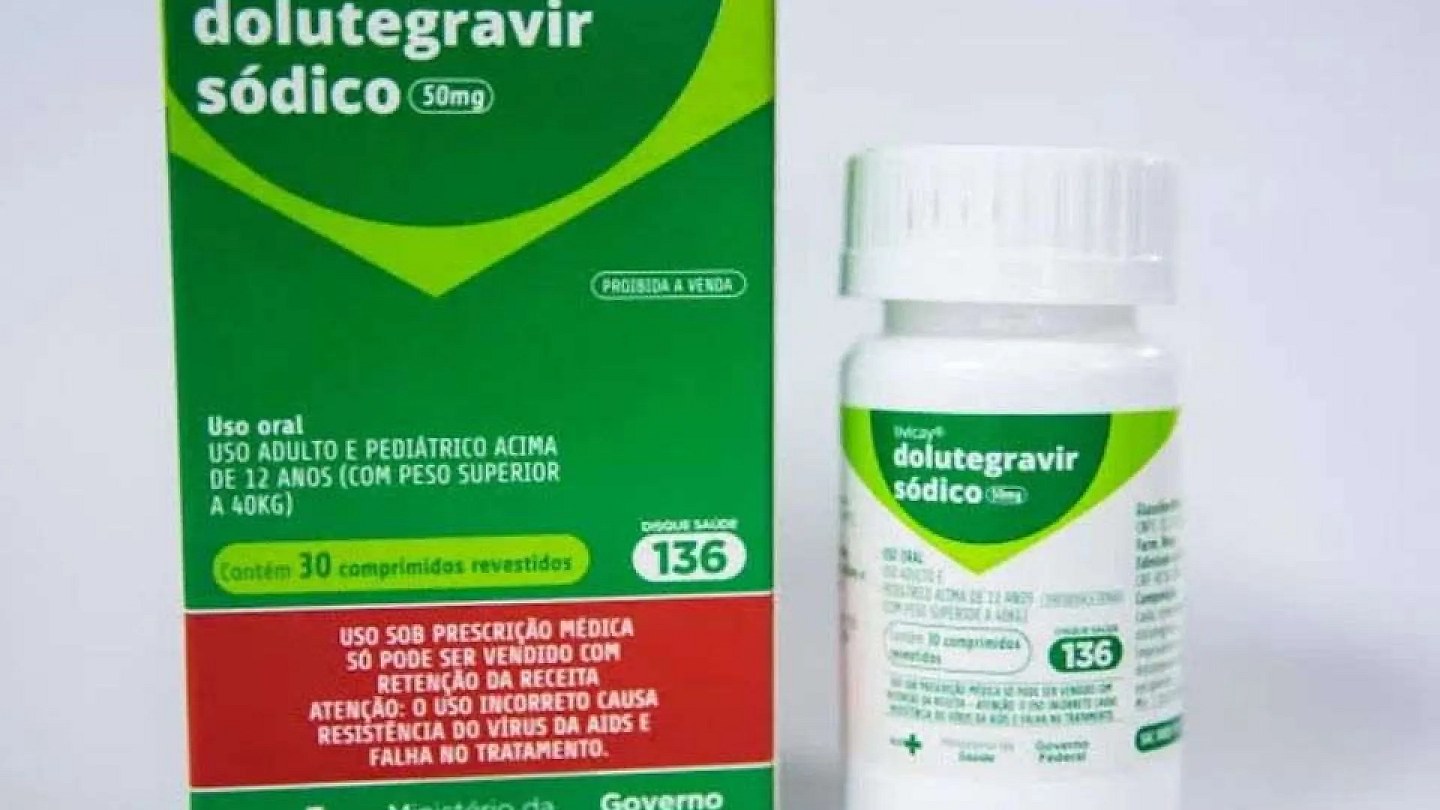
The Oswaldo Cruz Foundation (Fiocruz) completed the transfer of technology for the medicine, a step that should reduce dependence on imports, reduce production costs for the Unified Health System (SUS) over the next few years and increase security in the supply of a medicine used by more than 770 thousand Brazilians.
The start of scale production now depends only on the granting of health registration by the National Health Surveillance Agency (Anvisa). With authorization, the first batches manufactured entirely in Farmanguinhos, a Fiocruz laboratory linked to the Ministry of Health, may be distributed to the public network.
Mastering the technology ends a process that began in 2020, when Fiocruz entered into a partnership with the pharmaceutical company ViiV Healthcare, holder of the medicine's patent. Since then, the foundation has adapted its industrial structure, incorporated quality control methods and trained teams to internalize all stages of antiretroviral manufacturing.
In practice, the transfer represents more than an industrial advance. By producing the medicine in the country, the government reduces exposure to fluctuations in the international market, strengthens the SUS's ability to respond to possible supply crises and gains room to reduce, over time, spending on one of the medicines most purchased by the Ministry of Health.
Although the economy depends on the production volume and future purchase negotiations, national manufacturing tends to reduce costs related to imports, royalties and exchange rate variations.
Dolutegravir is currently considered the main medicine in Brazilian HIV treatment policy. Incorporated into the SUS almost a decade ago, it became the basis of the therapeutic regimen recommended by the Ministry of Health as it presents high efficacy, low incidence of adverse effects and a high barrier to the development of virus resistance.
The World Health Organization (WHO) also recommends the drug as the preferred treatment for most people living with HIV.
In addition to the manufacture of isolated dolutegravir, the agreement signed between Fiocruz and ViiV provides for a new stage of technological transfer for the national production of the combination between dolutegravir and lamivudine, another medicine widely used by the SUS.
The completion of technology transfer comes at a time of transformation in HIV treatment and prevention. While dolutegravir consolidated the strategy based on daily tablets, researchers and health managers are following the development of long-acting medications, capable of drastically reducing the frequency of administration.
The main one is lenacapavir, from the pharmaceutical company Gilead. Applied through an injection every six months, the drug presented results considered historic in clinical studies aimed at preventing HIV infection, with efficacy close to 100% among cisgender women and greater than 99% among cisgender men and trans people who have sex with men.
The results raised expectations that the drug could transform disease prevention, especially among people who face difficulties in maintaining daily use of pre-exposure prophylaxis to the virus.
At the same time, the medicine opened an international dispute over access. Civil society organizations, researchers and governments are pushing for the adoption of mechanisms that expand the supply of technology in low- and middle-income countries, given concerns about the price that may be charged by the manufacturer.
Anvisa approves early use of medicine to treat HER2-positive breast cancer
Anvisa approved a new use of Enhertu for patients with HER2-positive breast cancer who still have tumor cells after chemotherapy and surgery. Medicine reduced the risk of the disease returning or death by 53%, according to study
Source: Noticias ao Minuto - Ultima Hora
This story was originally published by Noticias ao Minuto - Ultima Hora. Visit the original publication for further details.
Open original publication