A study carried out by Nomophobia.com, a platform that explores the relationship between technology and everyday life, shows that 60% of Brazilians report feeling anxiety when they are away from their cell phones. This behavior is associated with the condition called nomophobia, characterized by irrational fear or extreme anxiety of being without the device. According to the survey, 87% consider themselves dependent on smartphones for daily activities.
60% of Brazilians feel anxious when away from their cell phones, study shows
A study carried out by Nomophobia.com, a platform that explores the relationship between technology and everyday life, shows that 60% of Brazilians report feeling anxiety when they are away from their cell phones. This...
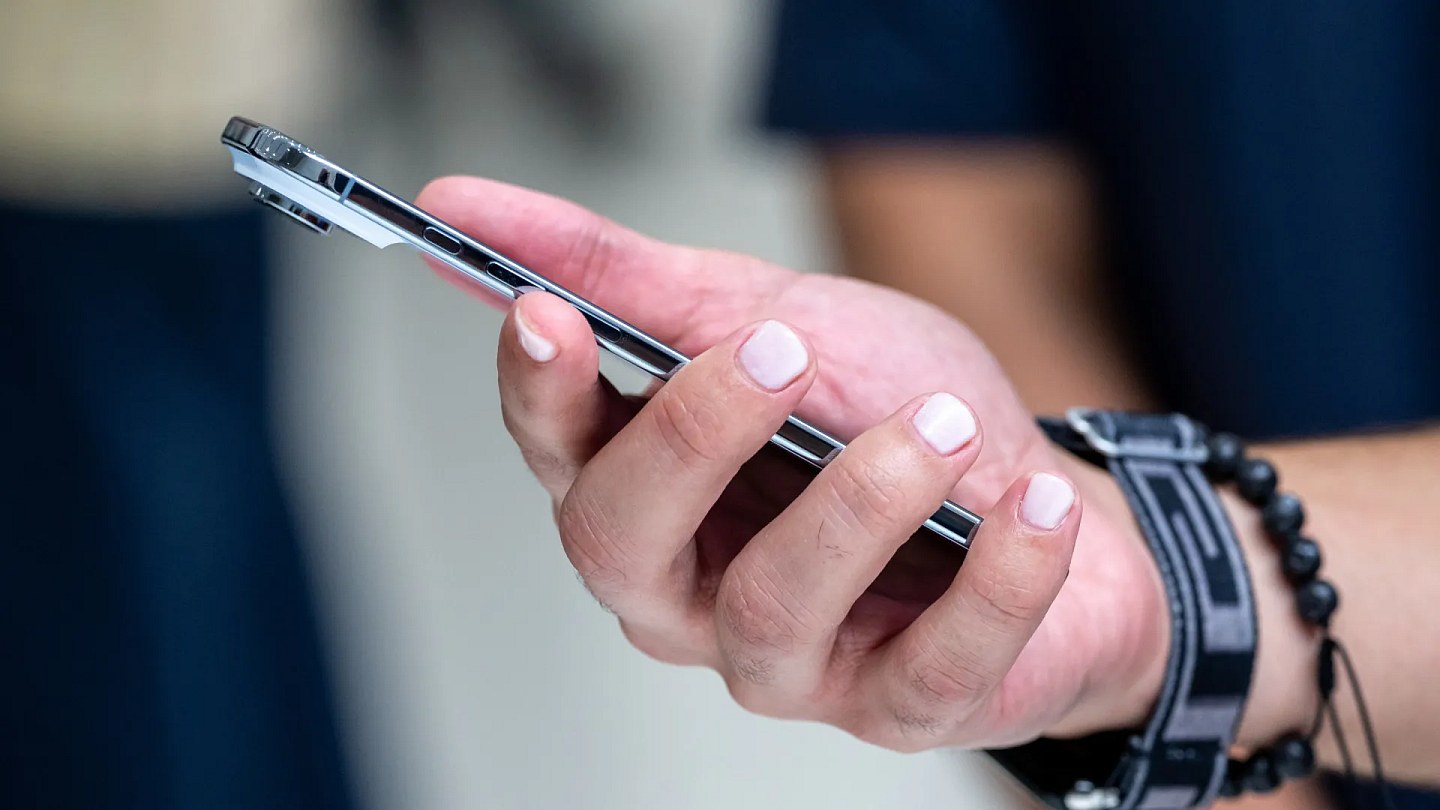

The survey interviewed 3,094 Latin Americans in six countries (Argentina, Brazil, Chile, Colombia, Mexico and Peru), 758 of whom were Brazilians. According to the results, the use of cell phones in Brazil has been increasing constantly: 71% of respondents reported having one device and 27% said they had two. Among Brazilian participants, 12% believe they suffer from nomophobia, the highest rate among the Latin countries surveyed. Argentina, Colombia and Mexico had percentages of 6% each. In Chile, the index was 8%, while in Peru it was 9%. Furthermore, 79% of Brazilians recognized excessive phone use. The percentage is higher than the numbers collected in Mexico (63%), Argentina (62%) and Peru (57%), for example. This behavior caused personal and/or professional problems for 35% and job loss for 13%. In the country, use even occurs in unusual situations, such as during religious events (20%), bicycle trips (11%) and sexual intercourse (4%). Other data from the study shows that 76% look at their phone as soon as they wake up and 80% do it as their last activity before going to sleep.
Psychological and physical consequences
According to Mariana Soto, psychologist at Hospital Saúde Premium, specialized in mental health, located in Capela do Alto (SP), nomophobia is a disorder of contemporary virtual and digital society, caused by technological advances. The condition is considered one of the main new disorders of the 21st century. Created in 2008, the term comes from the English no-mobile-phone phobia (phobia of being without a cell phone, in free translation). The psychologist informs that the problem is not only related to the anguish caused by the disconnection, but also to the urgency to check and respond to messages or ensure that everything is under control. According to her, the issue is not screen time, but rather the discomfort generated by the inability to access the device. The main indication, explains the professional, appears when situations such as running out of battery, losing signal or forgetting your cell phone generate unusual despair. This feeling can be accompanied by suffering, irritation, anxiety and difficulty in carrying out simple daily tasks. “Gradually, the device stops being just a tool and starts to function as a type of emotional security”, he highlights.
According to the psychologist at Hospital Saúde Mental, nomophobia can cause anxiety attacks, depression, social isolation, insomnia, lack of concentration and low productivity. There are also physical consequences, such as tachycardia, sweating, tremors, muscle tension, discomfort in the eyes, as well as headaches, stomach pains, wrist pains and neck pains.
Specialized service is essential
The professional recommends seeking specialized care as soon as the first signs appear. According to her, the attention of family, friends and other close people is essential in these cases, as these groups may notice symptoms that not even those suffering from extreme digital addiction notice.
With the help of a psychologist and, when necessary, a psychiatrist, people can better understand their own behavior, in addition to building a healthier and more balanced relationship with technology. “The idea is not to cut technology out of life, but to understand when this relationship starts to control behavior and emotions too much”, points out Mariana.
Read Also: Black skin requires attention in winter to avoid dryness and blemishes
Source:
Noticias ao Minuto - Ultima Hora