A Chinese scientist from Shanghai Jiao Tong University is being investigated by the Chinese institution looking into reports that an experimental gene editing test caused the death of a six-year-old girl. According to the Shanghai Jiao Tong University School of Medicine, the death was not reported in a study published in a scientific journal.
6-year-old girl dies during genetic testing in China: see what is known so far
A Chinese scientist from Shanghai Jiao Tong University is being investigated by the Chinese institution looking into reports that an experimental gene editing test caused the death of a six-year-old girl. According to...
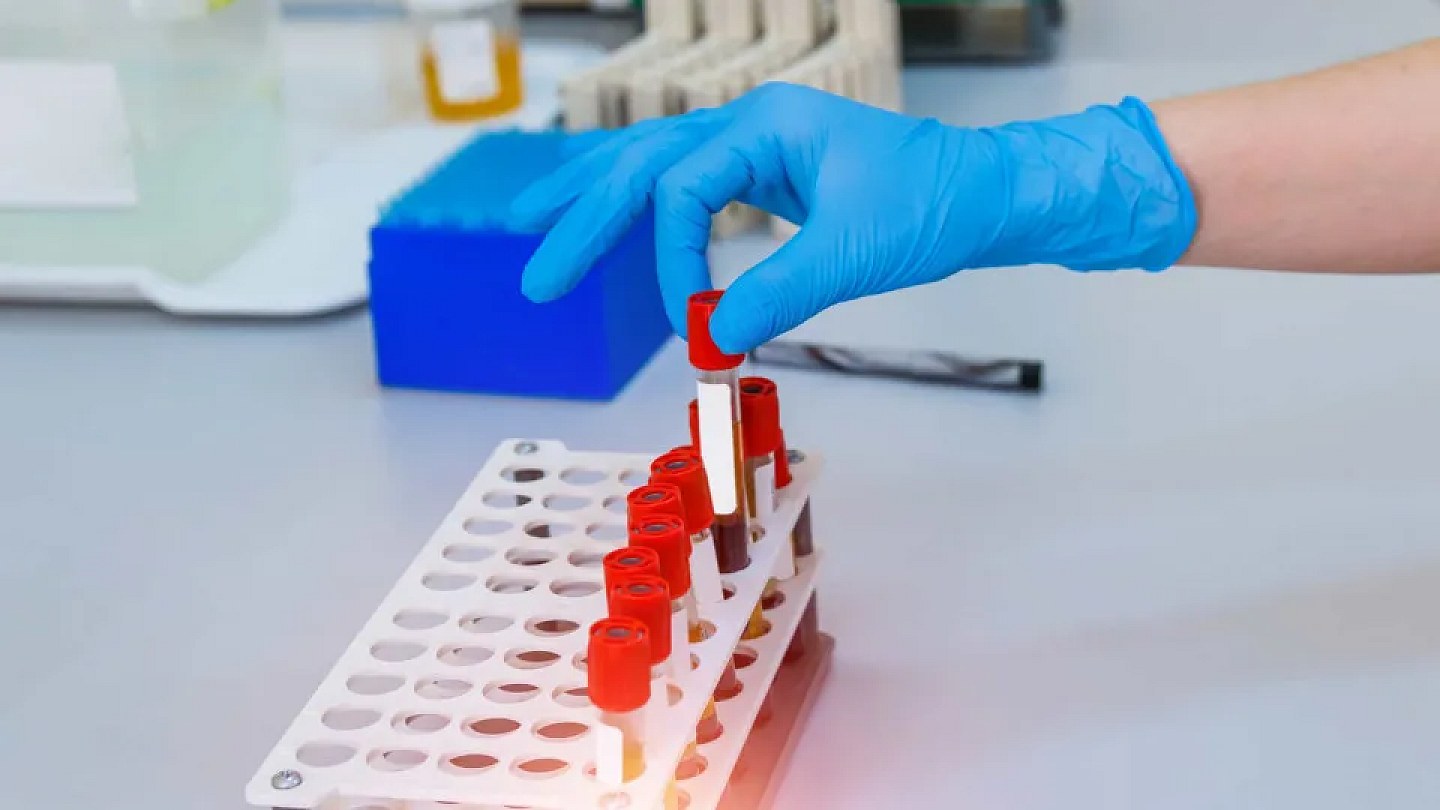
The allegations are a setback to China's ambitions to become a biotechnology superpower. Find out the main points about the case.
What happened?
The six-year-old girl, identified by the pseudonym "Mei", died in March 2025, approximately a week after receiving a spinal infusion of billions of viruses designed to penetrate the brain for therapeutic purposes, according to a joint investigation by Science magazine and Retraction Watch, a platform that investigates cases of retraction of scientific articles.
According to the child's parents, she had suffered an immunological reaction associated with the treatment. The experimental gene therapy aimed to correct a rare genetic condition that delayed his cognitive development.
Why is the scientist being investigated?
Neuroscientist Zilong Qiu, the main researcher, even published an article about the study in the prestigious Nature magazine about this therapy applied to animals, but did not mention Mei's case. The researcher has not yet publicly commented on the allegations.
In response to the Science and Retraction Watch article, Shanghai Jiao Tong University School of Medicine said in a statement that it "has set up a special working group to carry out a thorough investigation into the incident."
The School of Medicine "is firmly opposed to carrying out medical scientific research in violation of the ethics of scientific research", he assured. The statement added that "severe measures" would be taken in accordance with the investigation's findings.
A total of seven experts from areas such as genetics, virology and bioethics analyzed the study associated with the research that was published in Nature, and expressed concern that the scientist had minimized the risks of the therapy when describing it to parents, ignored warning signs from animal studies and continued with the treatment despite knowing its unlikely success.
How does gene therapy work?
Gene editing is a type of technology that allows scientists to change, remove or add pieces of a living being's DNA in a very precise way. In practice, it works like a text editor for the genetic code. The most famous technique - CRISPR-Cas9 - acts like "molecular scissors" and was awarded the 2020 Nobel Prize in Chemistry.
The Science and Retraction Watch report states that Mei's parents, who paid more than $800,000 to fund the experiment, were not adequately informed about the risks.
According to Science, official documents and reports provided by the girl's parents indicate that the hospital allowed Qiu's experimental treatment to proceed under a regulatory arrangement that does not require approval from national regulators.
After the child's death, the hospital paid a modest fine to a local health authority, according to Science's findings, but Qiu was not publicly sanctioned.
What are the impacts on China's reputation in science?
Neuroscientist Qiu aspired to develop the world's first gene-editing therapy targeting the brain, rewriting the mutated gene in the girl's nerve cells so that she could produce a vital protein, the report indicated.
The death, which has not been revealed until now, represents a new blow to China's ambitions to rival the United States as a biotech power, following the 2018 scandal involving He Jiankui, a biophysicist who secretly produced gene-edited babies.
Known as the "Chinese Dr. Frankenstein", Jiankui was sentenced to three years in prison for deceiving medical authorities. In 2018, Jiankui's experiment with gene-editing embryos resulted in twin girls and, later, a third baby from another couple.
In September, China's State Council published new rules prohibiting the modification of DNA in human reproductive cells, such as sperm, eggs or embryos. This was the type of research Jiankui carried out before his arrest.
China's leader, Xi Jinping, has set the goal for the Asian country to be a global leader in science and technology by 2049, aiming to celebrate the revolution that brought the Communist Party to power. (With international agencies).
*This content was translated with the help of Artificial Intelligence tools and reviewed by the Estadão editorial team. Learn more in our AI Policy.
Source: Noticias ao Minuto
Next recommended read
This story was originally published by Noticias ao Minuto. Visit the original publication for further details.
Open original publication