SÃO PAULO, SP (UOL/FOLHAPRESS) - A group of parliamentarians from the Liberal Democratic Party (PLD), the main governing force in Japan, began discussing possible regulation for the trading card market. The initiative comes after the rapid appreciation of rare items raises concerns about counterfeits, speculative resale and money laundering.
After R$84 million item, Japan discusses new rules for Pokémon cards
SÃO PAULO, SP (UOL/FOLHAPRESS) - A group of parliamentarians from the Liberal Democratic Party (PLD), the main governing force in Japan, began discussing possible regulation for the trading card market. The initiative...
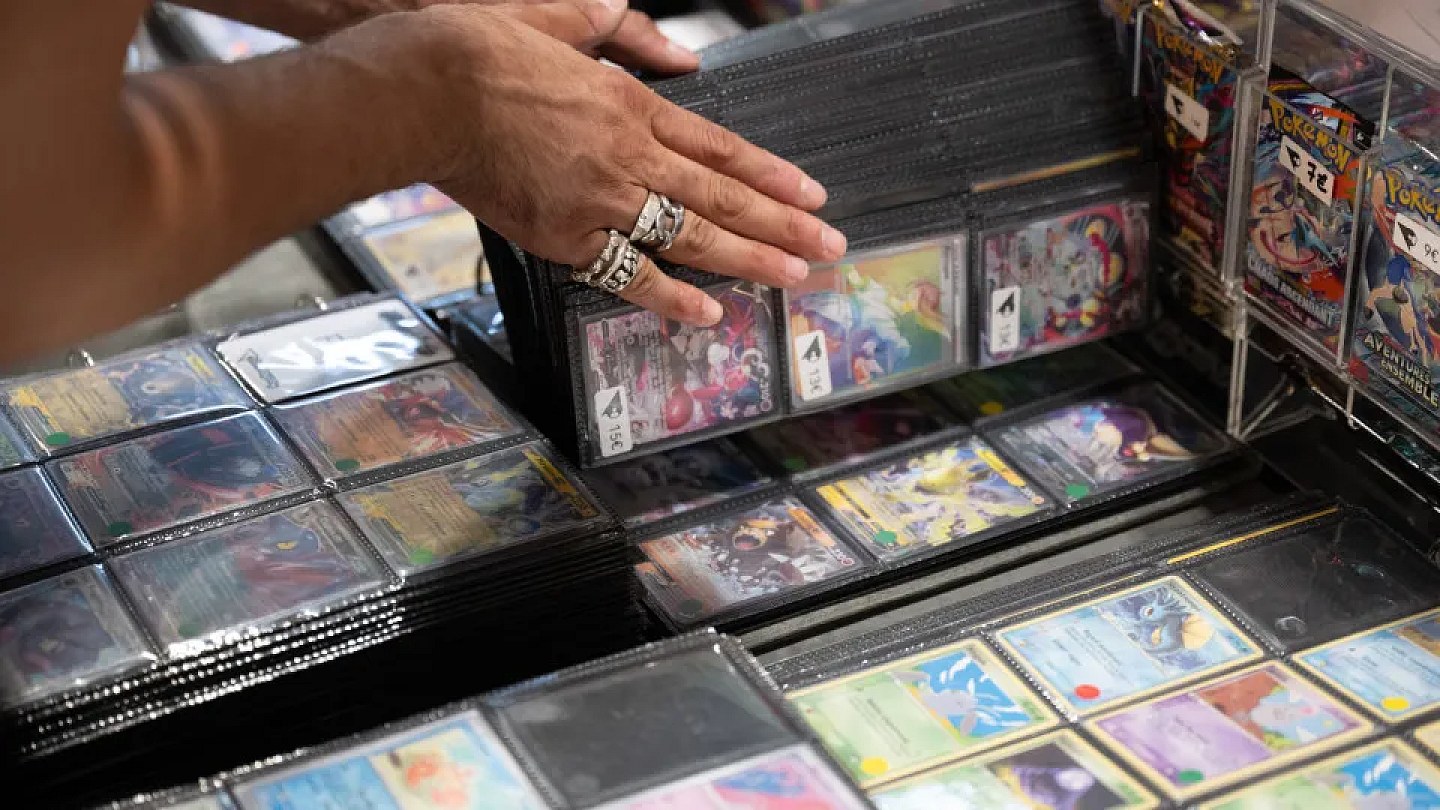
Group assesses whether the sector needs clearer rules. The discussions, according to Bloomberg News, involve not only Pokémon cards, but also products related to other Japanese franchises, such as Yu-Gi-Oh!.
"Collectible cards are no longer simple consumer products," said the parliamentary group in a statement cited by the publication. According to members, the accelerated growth of the market and the transformation of cards into assets of high financial value have created problems that can no longer be ignored.
To date, however, no regulations have been officially presented. The group must still listen to manufacturers, traders and industry representatives before developing recommendations.
Japan's trading cards market grew approximately 90% in the four years ending in fiscal year 2025. During this period, the sector reached ¥338 billion, around US$2.1 billion or R$10.5 billion in the conversion reported by the Brazilian report.
The typical pastime for children, fans and collectors began to attract buyers interested in the possibility of increasing the value of items. Sealed boxes, rare letters and copies valued by specialized companies began to be traded as investment goods.
The global trading card market, in turn, is estimated at between US$13 billion and US$15.8 billion. Pokémon occupies a prominent position in this segment, with more than 75 billion cards printed in different countries, according to estimates cited by the International Business Times UK.
One of the most significant examples of the appreciation of this market is the "Pikachu Illustrator" card. The item belonged to American influencer and fighter Logan Paul. According to Guinness World Records, the copy was sold by Goldin Auctions on February 16, 2026 for US$16.492 million, approximately R$84.6 million at the current price.
The price, which includes the commission charged to the buyer by the auction house, set the record for the most expensive Pokémon card ever sold at auction. The negotiation also turned the item into the most expensive collectible card of any category ever sold at auction, considering records available until February 2026.
The example is the only known copy to receive the PSA Gem Mint 10 classification. This is the maximum grade granted by the company specialized in authentication and evaluation of collectible items. Logan Paul had purchased the card in 2021 for US$5.275 million (R$27 million at current prices), setting, at the time, the record for the private sale of a Pokémon card.
"Pikachu Illustrator" was designed by Japanese artist Atsuko Nishida. She is credited with creating Pikachu's original design. The letter was never sold commercially and was distributed as a prize in an illustration contest held in Japan in 1998.
The appreciation of these items also brought risks for collectors and traders. In addition to counterfeits, authorities and members of the sector are concerned about theft and possible money laundering schemes.
Rare cards are small, easy to hide and transport, and can be resold in different countries. Some reach values ??comparable to those of luxury properties, while identifying owners and tracking transactions are not always simple.
In the United States, specialty stores have become targets for criminals. In Colton, California, two hooded suspects broke into the Into the Retroverse store and took more than $16,000 worth of letters and other products. In Corona, also in California, another establishment lost up to $20,000 worth of collectibles.
Similar cases have been recorded in other countries. In Moonee Ponds, Australia, a game store was attacked twice. In the most recent occurrence, criminals took Pokémon and One Piece cards.
Another point discussed by parliamentarians is the influence of United States companies in defining the international value of cards. According to politicians, this happens even though franchises like Pokémon and Yu-Gi-Oh! were created in Japan.
Specialized companies analyze the authenticity, conservation and possible defects of the specimens. The grade awarded can significantly raise or lower the price of a card on the resale market. Seiji Kihara, PLD parliamentarian who chairs the new group, stated that the discussions should help strengthen Japanese intellectual properties, but without creating barriers that could keep companies away or limit the sector's development.
Parliamentarians seek to find a balance between expanding oversight and preserving the industry's growth. Lax rules can leave consumers and collectors more exposed to fraud, forgery and price manipulation. Excessive measures, on the other hand, could harm a market supported by fan culture, the rarity of products and resale dynamics.
The group must listen to manufacturers and other industry participants before presenting proposals on monitoring and encouraging the segment. Therefore, Japan has not yet approved new rules for Pokémon cards. At the moment, the issue is being analyzed by parliamentarians from the ruling party.
Source: Noticias ao Minuto
Next recommended read
This story was originally published by Noticias ao Minuto. Visit the original publication for further details.
Open original publication