RIO DE JANEIRO, RJ (UOL/FOLHAPRESS) - Internacional defender Victor Gabriel was charged by the Superior Court of Sports Justice (STJD) for the tackle that caused the fracture in the leg of Cruzeiro's attacking midfielder Gabriel Pec.
Reported, Inter defender could be hooked while Pec's injury lasts
RIO DE JANEIRO, RJ (UOL/FOLHAPRESS) - Internacional defender Victor Gabriel was charged by the Superior Court of Sports Justice (STJD) for the tackle that caused the fracture in the leg of Cruzeiro's attacking...
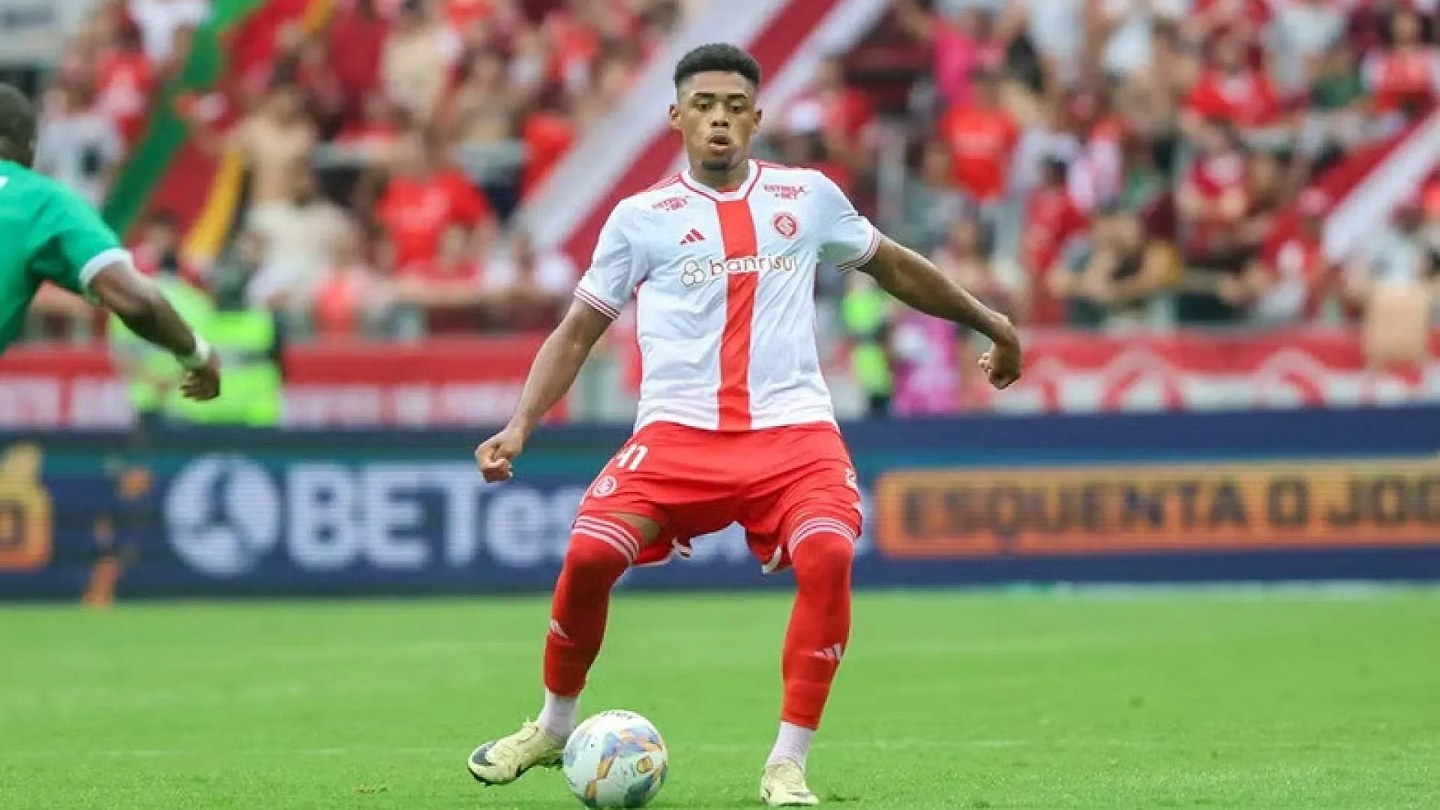
The player from the Gaucho team was framed for violent play, but there is an aggravating factor, according to UOL: the prosecutor's request is for Victor Gabriel to be suspended for the duration of Pec's injury - with a maximum limit of 180 days.
This provision is inserted in the third paragraph of article 254 of the Brazilian Code of Sports Justice (CBJD).
"In the event that the person affected remains unable to practice the sport as a result of a serious violent play, the offender may continue to be suspended until the person affected is able to return to training, respecting the maximum period of one hundred and eighty days."
For the prosecutor's office, the "exceptionally serious result of the move attracts the incidence" of this paragraph.
If the aggravating factor is not applied in the trial of the case, Victor Gabriel will be subject to a lighter punishment, of one to six games, as provided for in the caput of the article.
Victor Gabriel's tackle on Pec resulted in a direct red card and left the player's leg bleeding.
According to Cruzeiro, a fracture was found in the tibia of his left leg. "The indication for the case is surgical treatment, which will be carried out by Cruzeiro's doctors in the coming days", informed the club.
The case will soon be distributed to the STJD, and the expectation is that there will be a trial in the first instance next week.
Read Also: Ancelotti warned CBF about contact from Italy, but did not consider leaving
Source: Noticias ao Minuto - Esporte
This story was originally published by Noticias ao Minuto - Esporte. Visit the original publication for further details.
Open original publication