BERLIN, GERMANY (FOLHAPRESS) - "We sincerely apologize for these mistakes and are committed to ensuring that they are not repeated." If there was anything missing from Gianni Infantino's CV, apologizing might be one of them. This is the most that can be deduced from the letter he sent to the "FIFA family" this week, in which he confirms the retreat on the proposal to outsource the World Cup. Retreat?
FIFA: Infantino faces biggest crisis after frustrated plan
BERLIN, GERMANY (FOLHAPRESS) - "We sincerely apologize for these mistakes and are committed to ensuring that they are not repeated." If there was anything missing from Gianni Infantino's CV, apologizing might be one of...
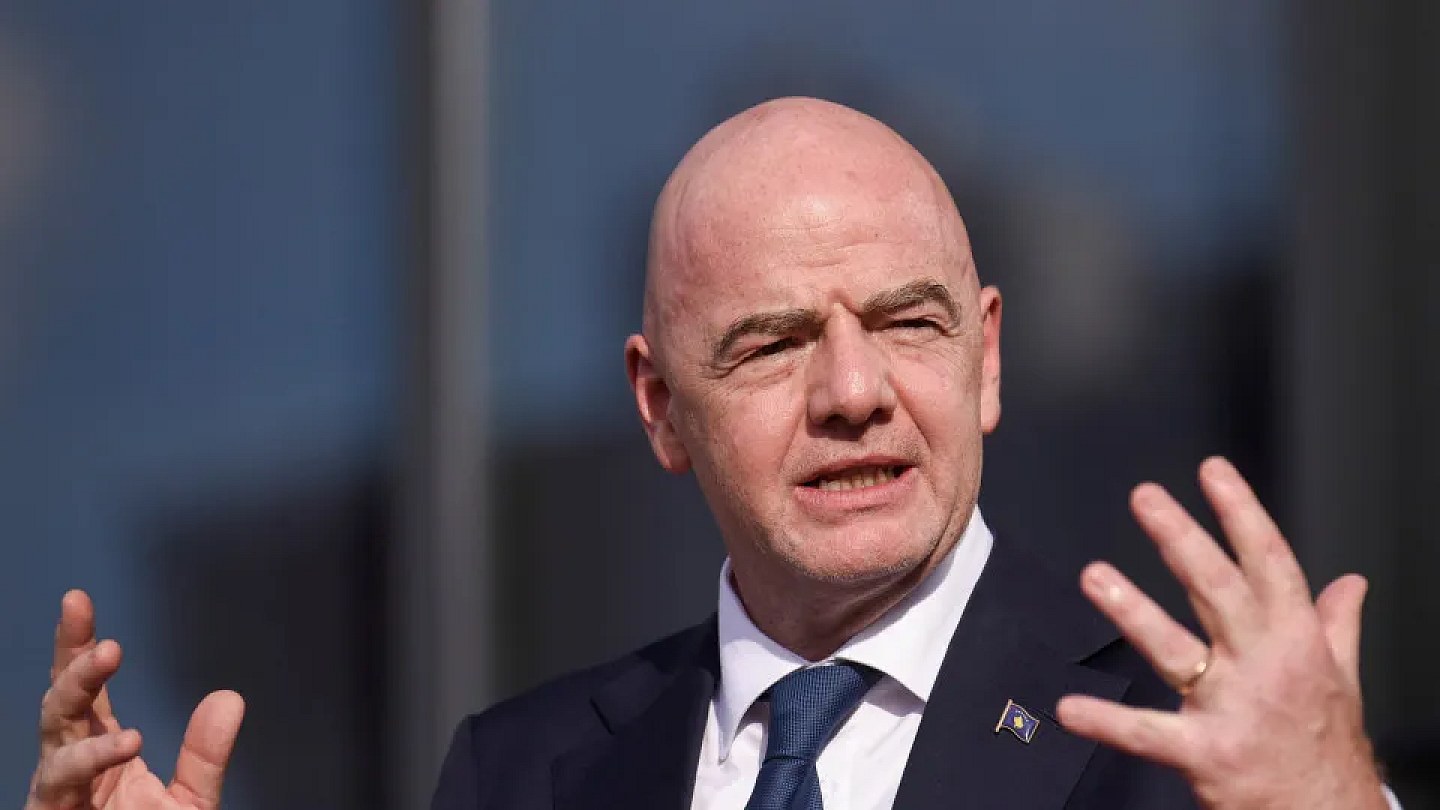
It would be unprecedented too. In ten years as FIFA president, Infantino, 56, a Swiss lawyer who played bad football but became a top hat as a teenager, just went forward, impassive, running over. A far cry from the Infantino who became general secretary of UEFA in 2009, notable for most Europeans only because of his peculiar performance in the Champions League draws.
"This is passion, this is football, this is magic", he once declared while opening the balls. According to a German journalist, he looked like a circus presenter, only missing the top hat - no pun intended, this designation for a leader only exists in Brazil.
Infantino had a school. Joseph Blatter, the then powerful president of FIFA, resorted to theatrical tricks learned in his youth during the organization's ceremonies. João Havelange's successor turned to dust in 2015, when an offensive by the American justice system caught up with him at the Baur au Lac, a sophisticated hotel in Zurich, which hosted opulent meetings of the entity's Executive Committee.
Blatter was not arrested like José Maria Marin, at the time president of the CBF, and other leaders from north to south of the Americas. Shortly after the operation, in a sign of how little attention football pays to the outside world, the Swiss was re-elected. Days later, he resigned. The FBI piled up evidence of extortion, fraud, money laundering and bribery.
The case caused havoc in the administration of Brazilian football, the effects of which can still be seen today. It also compromised or confirmed the reputation of a lineage of the country's leaders, from João Havelange to his former son-in-law Ricardo Teixeira, banned from the sport.
With Blatter gone, Michel Platini, president of UEFA, was the name for succession. However, another accusation of bribery, this time against the two and within the scope of the Swiss Court, made the emergency plan to cool down the biggest crisis in FIFA's history unfeasible.
Both were acquitted, but only when the man with the dots was already circulating among dictators and heads of state at the end of the last decade. Infantino was elected in February 2016, months after a second police operation, in the same Baur au Lac, using his fluency in seven languages. "When it comes to numbers, I know what I'm talking about."
He took over to "restore FIFA's image and respect", with a list of reforms: World Cup venues would be defined by all federations, not just by the Executive Committee, tainted by corruption; changes in the organizational chart and decentralized decisions; Presidents could only run for three terms.
Ten years later, Infantino is running as the favorite for a fourth term, in 2027. Some European federations withdrew their endorsement of his candidacy after the revelation and refusal of the FFE, Fifa Forward Entreprise, the name of the venture that the leader managed - in numbers, 20% of the commercial rights to the World Cup in the hands of private investors.
There are those who want his position, such as Canadian Victor Montagliani, president of Concacaf, which brings together countries from Central and North America and the Caribbean. However, there is no consensus name. The hard core of opposition is concentrated in Europe, and the rest fluctuates according to current interests and an unwritten manual of benefits put together by Infantino.
On Wikipedia, the first information about Briga, a town in the Swiss canton of Valais, is that Giovanni Vincenzo Infantino was born there. The son of Italian immigrants and treated as such in a less open Switzerland in the 1970s, he found shelter in a club in the city that brought together the community from the neighboring country. At the age of 18 he became president of the association.
At 30, already a lawyer, he turned football into a real profession, when he was admitted to the legal department of UEFA, which controls football in Europe. At 34, he became a director; at 39, secretary general. Shortly before turning 46, he was elected to the highest position in sport. "FIFA's money is your money. It is not the FIFA president's money," he declared.
Infantino turned speech into action. The entity's investment in the sport development program doubled in size. From 2023 to 2026 alone, it distributed EUR 2.25 billion (R$ 13 billion) between federations and confederations. Resource for women's football, field, goalpost, boot, ball, everything.
Nothing that makes much of a difference in football like Brazil's, but it leaves small countries in the bizarre situation of not knowing where to spend so much money. With 211 member nations, FIFA loves to highlight the fact that it is bigger than the UN.
"We want to unite the world with the biggest and most inclusive World Cup, probably the biggest event in the history of humanity," said Infantino in Mexico City, on the eve of the opening of the last World Cup.
The gongoric tone of the phrase was justified. The biggest World Cup in history, with 48 teams and 104 games spread across three countries, although bombarded by critics, it was the first complete project of the Infantino administration.
The World Cup should have returned to the USA four years earlier. In 2010, the FIFA Executive Committee chose Qatar for the 2022 World Cup over the American candidacy. In 2012, one of the executives involved with the campaign explained the failure as follows to Folha de S. Paulo: "We didn't know that those were the rules of the game." Three years later, FBI agents were raiding rooms at Baur au Lac.
Infantino inaugurated a new phase, updating old recipes. His management does not resemble Blatter's, but Havelange's. The greatest hat in history came to command FIFA in the 1970s, thanks to the perception, innovative at the time, that each country meant one vote. With the help of an executive outside FIFA, Horst Dassler, founder of the ISL, transformed football into a machine
Source: Noticias ao Minuto
Next recommended read
This story was originally published by Noticias ao Minuto. Visit the original publication for further details.
Open original publication