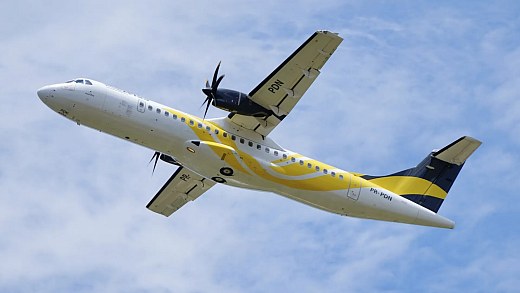
One year, 11 months and 14 days after the crash of the Voepass plane, which killed 62 people, in Vinhedo, in the interior of São Paulo, in August 2024, the Brazilian Air Force (FAB) will release this Thursday, the 23rd, the final report on the causes of the disaster.
Causes of the Voepass tragedy: how does the investigation of a plane crash work?
One year, 11 months and 14 days after the crash of the Voepass plane, which killed 62 people, in Vinhedo, in the interior of São Paulo, in August 2024, the Brazilian Air Force (FAB) will release this Thursday, the 23rd,...
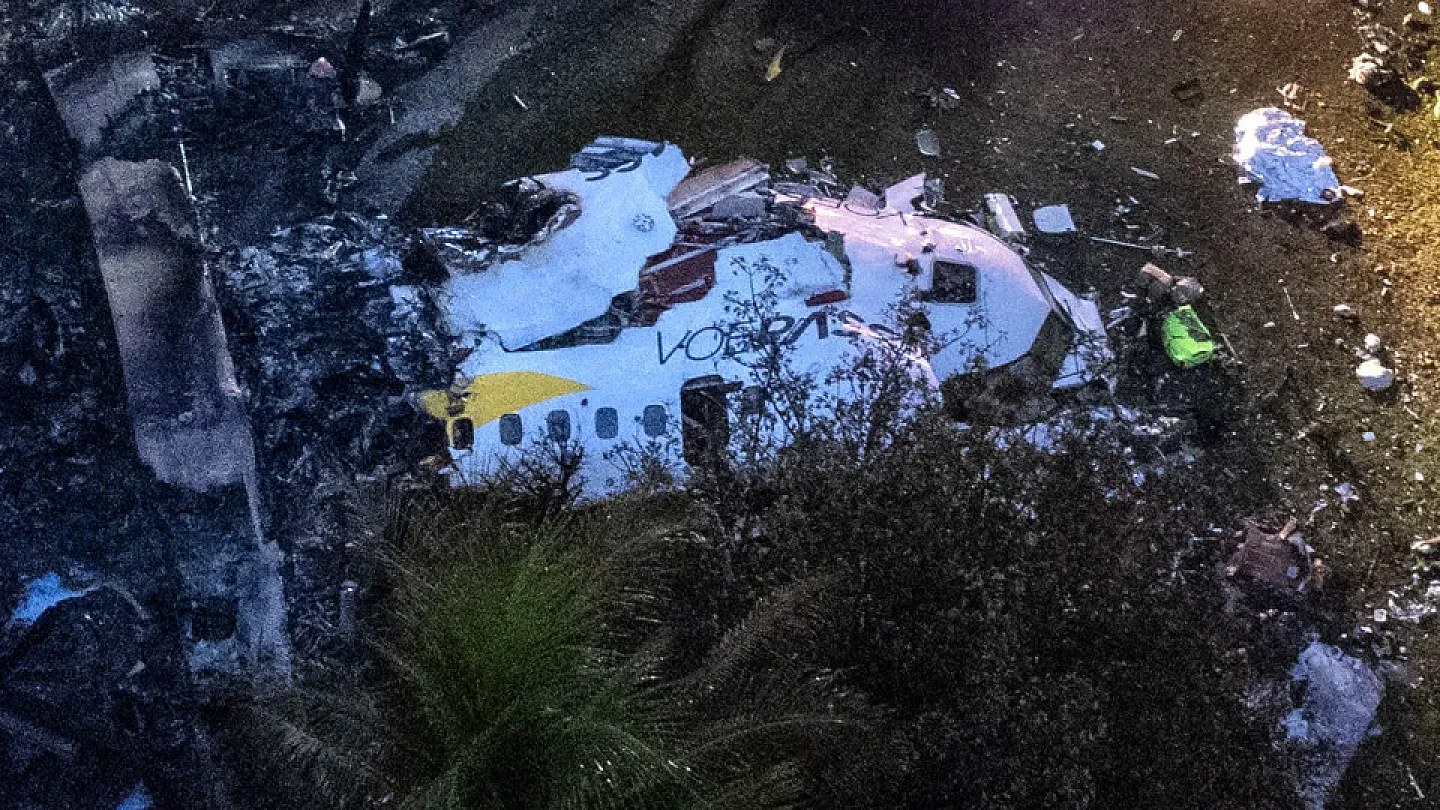
The objective is not to point out a "culprit", but to identify the causes of the accident to prevent similar cases from happening again. At the same time, a police investigation determines civil and criminal responsibilities.
The technical investigation is conducted by the FAB's Aviation Accident Investigation and Prevention Center (Cenipa). The work begins on the day of the accident, going to the scene to collect information and interview witnesses, right after firefighters clear the scene.
At this stage, materials are collected and photographic records of the wreckage are taken to identify signs of failure. The Cenipa team also searches for recordings that captured the moment of the accident and checks the weather conditions at the time and route of the flight.
"High priority must be given to highly perishable data, which will normally only be available in the first few hours after the occurrence", advises the Aviation Accident Investigation and Prevention Manual, an official document that guides procedures following international standards.
Witness interviews also need to be done in the early hours, while memories are clear. "The investigator must not underestimate human fallibility and must be very careful when analyzing statements", determines the FAB manual.
Another focus is finding the black box, if the aircraft carried the equipment. The piece is a data and voice recording system for the plane, which records the crew's last conversations, as well as information such as speed, acceleration, weather conditions, altitude and power settings.
The black box is made with a steel and titanium alloy, making it ultra-resistant to withstand high temperatures and strong impacts. Contrary to its name, it is orange to make it easier to find among the wreckage.
The object is essential to verify whether there was assertive communication between the crew in the cabin and whether there was an attempt to alert and request help from the air control bodies.
The investigation team also conducts more in-depth interviews with witnesses, employees of the companies and institutions involved (flight operator, aircraft manufacturer, airport, air traffic controller...).
Aircraft and company records are also collected, as well as human factors that may have contributed to the accident, such as the crew's health and training history, toxicological tests and autopsy reports.
A preliminary report, with initial information, is released within 30 days by Cenipa.
Accident reconstruction
The investigation then advances to the in-depth evaluation phase of all the information collected, verifying relationships between them. At this stage, the black box records are analyzed.
The recorder is sent to the Flight Recorder Data Reading and Analysis Laboratory (Labdata) at Cenipa, in Brasília. There, technicians decode and analyze the records saved in the black box.
First, it is necessary to extract, without damaging, the memory contained within the protection box. Then, it is necessary to use a simulator to read the data and recreate a simulation of the flight conditions, helping with the detailed reconstruction of the events.
At the same time, laboratory tests are also carried out on the plane's components to check for possible malfunctions.
With all the material collected, Cenipa technicians reconstruct the sequence of events that led to the accident.
In some cases, it may be necessary to reconstruct the aircraft from the wreckage to examine flaws. A model of the plane can also be set up to ensure a more complete account during a witness statement. Virtual reconstructions are also carried out, with animated simulations of the plane and the flight path.
After the investigations are completed, a final report accurately detailing the accident is prepared. In addition to pointing out the causes of the episode and the factors that contributed, the document provides safety recommendations to avoid new similar cases.
In the TAM plane tragedy in July 2007, when 199 people died at Congonhas Airport, in São Paulo, Cenipa's recommendations included:
- Anac should intensify inspection, improving safety requirements for wet runways and escape areas on airport runways, and request prior and subsequent approval of airport works;
- Infraero (at the time responsible for Congonhas) should implement runway escape areas and ensure strict maintenance of appropriate conditions for landings and takeoffs;
- TAM should improve crew training and comply with the entire list of minimum equipment;
- Airbus should improve aircraft signaling about faulty equipment.
799 deaths in 10 years
Cenipa investigates all aviation accidents in the country, whether on commercial, private, military or instructional flights. In the last 10 years, from January 2016 to July 2026, Brazil recorded 1,644 air accidents, of which 384 were fatal. There were 799 deaths in the period.
The following cases are considered aeronautical accidents:
- serious injury or death of at least one passenger or crew member as a direct result of being inside an aircraft (does not include death from natural causes occurring during flights);
- damage or structural failures that affect the flight or that require major repairs to the ship, even if no injuries are reported;
- and the disappearance of aircraft.
The National Civil Aviation Agency (Anac) claims to require and monitor a set of safety standards, in accordance with international standards. The measures also include mandatory training and certification of companies and professionals to be able to work in the sector.
The M
Source: Noticias ao Minuto - Brasil
This story was originally published by Noticias ao Minuto - Brasil. Visit the original publication for further details.
Open original publication