SÃO PAULO, SP (FOLHAPRESS) - The state of São Paulo registered 1,953 cases of hepatitis A, from January to July 11, 2026. The number represents an increase of 54.6% compared to the same period last year (1,263).
Cases of hepatitis A soar in SP and already exceed the total for 2025 by 17.4%
SÃO PAULO, SP (FOLHAPRESS) - The state of São Paulo registered 1,953 cases of hepatitis A, from January to July 11, 2026. The number represents an increase of 54.6% compared to the same period last year (1,263). The...
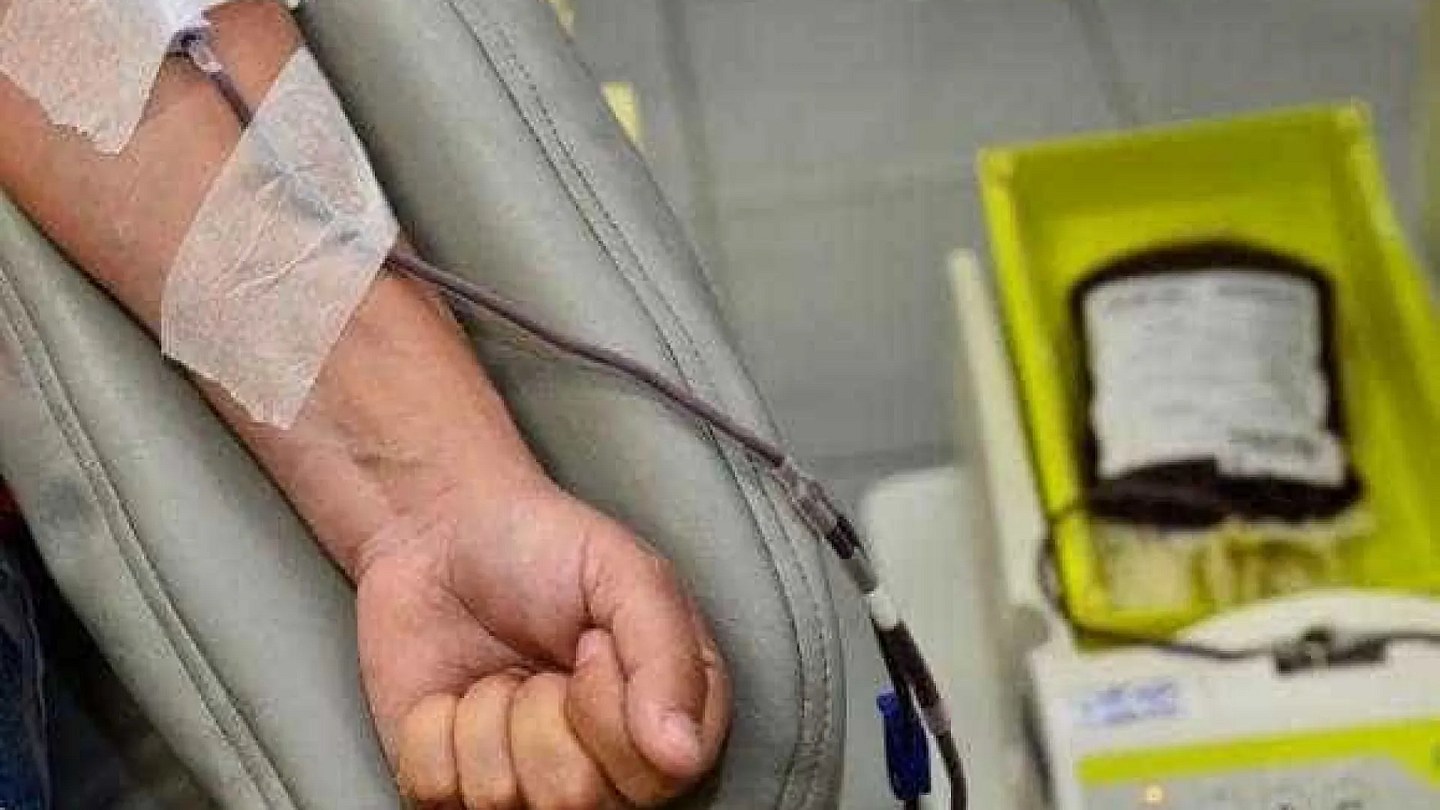
The current partial exceeds by 17.4% the accumulated total for the entire year 2025, which ended with 1,663 cases.
The data comes from Nies (Strategic Information Center) of the State Department of Health. The last update of the platform occurred on the 20th.
The curve has been growing in São Paulo for at least four years. The years 2022, 2023 and 2024 closed with 294, 985 and 1,176 cases of the disease.
In 2026, epidemiological weeks 11 to 14 (March 15 to April 11) recorded the highest notifications.
Men account for most infections, with 1,168 cases. Of these, 407 were in the group aged 20 to 29, 341 aged 30 to 39 and 202 aged 40 to 49. The other age groups total 271 cases.
Women aged 20 to 29 and 30 to 39 are the majority, with 213 and 209 cases of hepatitis A, respectively. Girls aged 10 to 19 come in third place, with 118 occurrences of the disease. The other groups total 188 records.
According to the State Department of Health, until April 2026, two deaths from hepatitis A were recorded in the state of São Paulo.
In 2025, there were 11 deaths from the disease; in 2024, four; in 2023, eight; and, in 2022, one death.
Hepatitis A is an acute inflammation of the liver. Caused by virus A (HAV), the infection is benign and contagious.
Approximately 1% (or less) of cases may become severe and fulminant.
Transmission -through oral-fecal contact- is linked to inadequate basic sanitation and personal hygiene conditions. It also occurs due to the consumption of contaminated water and food.
"It is transmissible through water contaminated by feces that contain the hepatitis A virus. There is a more recent form of transmission that is sexually transmitted, especially in men who have sex with men, due to contact with the anal region and with fecal material that is rich in hepatitis A virus", explains Evaldo Stanislau de Araújo, infectious disease specialist at the Hospital das Clínicas in São Paulo.
"The increase in the male population may be related to sexual activity", he says.
Most cases of hepatitis A are asymptomatic or have nonspecific symptoms. The patient may experience fatigue, malaise, fever and muscle pain followed by nausea, vomiting, abdominal pain, constipation or diarrhea. The urine darkens and the person has jaundice (yellowing of the skin and eyes).
According to Araújo, the treatment of hepatitis A is supportive, with symptomatic medication and laboratory control of the evolution.
VACCINATION
By May 2026, in the state of São Paulo, according to the Ministry of Health, 67.25% of children had received the hepatitis A vaccine. The goal is to immunize 95% of the population.
Routine
The vaccine is administered in a single dose at 15 months (can be used from 12 months to 4 years, 11 months and 29 days).
Special groups
For people with specific clinical conditions at higher risk, the SUS (Unified Health System) provides the vaccine - generally, in a two-dose schedule with a minimum interval of 6 months - at Cries (Reference Centers for Special Immunobiologicals).
Indications
- People living with HIV/Aids;- Liver diseases;- Chronic carriers of the hepatitis B or C virus;- PrEP users (HIV Pre-Exposure Prophylaxis);- Immunopressants;- Cystic fibrosis;- Coagulopathies (change in the blood's ability to clot);- Trisomies (genetic alteration in which there is the presence of an extra chromosome, totaling 47 instead of the usual 46. One of the most common is Down Syndrome);- Solid organ transplant recipients and candidates, registered in transplant programs;- Hematopoietic stem cell transplant;- Solid organ or hematopoietic stem cell donors, registered in transplant programs;- Hemoglobinopathies (diseases that affect the production of hemoglobin);- Anatomical or functional asplenia (lack of the spleen or its function) and related diseases.
"It is important to remember that with improved sanitation in recent years, the prevalence of hepatitis A in the young population has greatly decreased. We strongly recommend that children and young people, and even adults, in particular, be vaccinated against the disease. The vaccine is safe and has no contraindications", says the infectious disease specialist.
OTHER FORMS OF PREVENTION
- Wash your hands (including after using the toilet, changing diapers and before preparing food); - Washing foods that are consumed raw with treated, chlorinated or boiled water, leaving them to soak for 30 minutes; - Cooking food well before consuming it, especially seafood and fish; - Properly washing plates, glasses, cutlery and baby bottles; - Using sanitary facilities; - In the case of daycare centers, preschools, cafeterias, restaurants and closed institutions, adopt strict hygiene measures, such as disinfecting objects, countertops and floors using 2.5% sodium hypochlorite or bleach.- Do not bathe or play near ditches, streams, fountains, floods or near sewage;- Avoid building septic tanks near wells and river sources;- Use condoms and clean hands, genitalia, perineum and the region anal before and after sexual intercourse.
Read Also: Prouni 2026/2: deadline to prove registration information ends today
Source: Noticias ao Minuto - Brasil
This story was originally published by Noticias ao Minuto - Brasil. Visit the original publication for further details.
Open original publication