SÃO PAULO, SP (FOLHAPRESS) - With the worsening of the crisis in the Middle East, President Donald Trump once again escalated his rhetoric in relation to Iran this Thursday (23). The American said he is "considering a massive attack, bigger than ever" against the theocracy.
Under pressure, Trump threatens 'bigger than ever' war against Iran
SÃO PAULO, SP (FOLHAPRESS) - With the worsening of the crisis in the Middle East, President Donald Trump once again escalated his rhetoric in relation to Iran this Thursday (23). The American said he is "considering a...
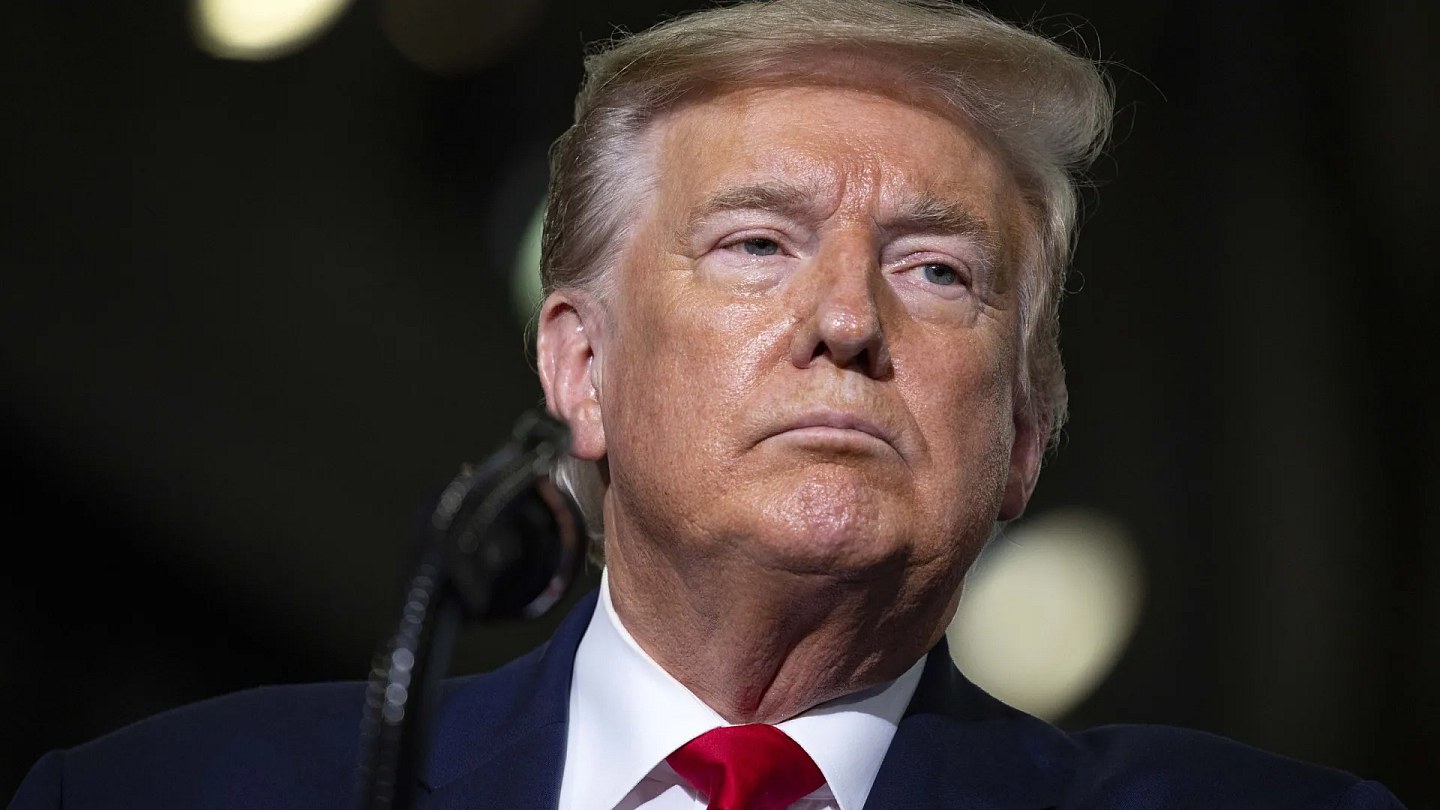
The threat was made in an interview with the American website Axios, in which the Republican did not set a deadline for the decision. "I'm close to making the decision. We're ready for it," he said, highlighting that there is no specific military mobilization.
"They [the Iranians] have not yet suffered enough pain," he said, saying that new action will surpass in intensity the initial five weeks of the conflict, which began when the United States and Israel attacked the Persian country on February 28.
That was the most acute phase of the war, leaving an estimated 3,500 dead in the theocracy, including its supreme leader, Ayatollah Ali Khamenei, and a good part of the country's political and military elite.
According to Trump, Israel would support a new widespread offensive. "They would join us in two minutes if I asked them," he said, saying, however, that "we don't need anyone" to act. The Republican admits that, if the Jewish State attacks Iran again, "there will be consequences."
The new tone aims to force the Iranians, until now inflexible, to negotiate a new truce. The current phase of attacks, defined by Iranian Foreign Minister Abbas Araghchi as a reciprocal "tit for tat" exchange, began two weeks ago.
On the 8th, Trump said that the 60-day ceasefire signed with Iran on June 17 was canceled after the theocracy sought to assert control over the strategic Strait of Hormuz by attacking oil tankers passing through the region.
The truce memorandum opened up the possibility for Tehran to charge tolls for traffic on the road, which transported 20% of the planet's oil and natural gas before the war. Trump may have thought that the Iranians would not go ahead in trying to position themselves militarily during the negotiations, but if he did, he was wrong.
After the ceasefire ended, exchanges of fire took place daily, and the US established a naval blockade of the theocracy's ports. A new element emerged last week when Yemen's Houthi rebels, allied with Iran, responded to the blockade of their main airport by Saudi-backed forces.
They attacked the neighboring monarchy and, on Monday (20), decreed a blockade of Saudi ports on the Red Sea, which had been used to export the kingdom's oil production that was held back due to the crisis in Hormuz, on the other side of the Arabian peninsula.
On Wednesday (22), the Houthis went to war, hitting two tankers with Saudi oil. The attacks further increased tension in the global oil market, which saw the benchmark barrel of futures contracts surpass US$100 this Thursday.
Before the war, the price fluctuated around US$60, reaching a peak of almost US$120 at the height of the fighting. The ceasefire had dropped the price to almost US$70, a value that has risen since the resumption of hostilities.
For Trump, the logic of the threat is to try to force the Iranians to talk, which seems quite difficult so far. This puts the president in an impasse: if he fulfills his promise and resumes a broad war, the political cost may be unsustainable.
Surveys show that almost 70% of Americans are against the conflict, which has caused fuel prices to increase in the country. And Trump faces the risk of losing control of both Houses of Congress in the November legislative elections.
Trump may consider that a violent escalation now could cripple the Iranians, giving the political and economic situation time to calm down until the election.
The problem with this reasoning is that the theocracy showed no signs of giving in even when it was heavily targeted, and there is no guarantee that the global turmoil and its impact on the American electorate will be able to abate.
Read Also: Trump demands peace with Israel in nuclear deal with Saudi Arabia
Source: Noticias ao Minuto - Mundo
This story was originally published by Noticias ao Minuto - Mundo. Visit the original publication for further details.
Open original publication