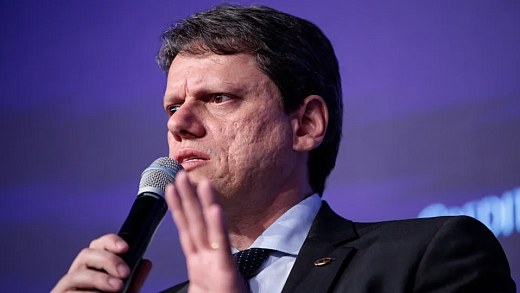
ANA LUIZA ALBUQUERQUESÃO PAULO, SP (FOLHAPRESS) - Brazilianist Anthony W. Pereira, 67, returned to Brazil for another of the approximately 50 trips he has made to the country. Professor of political science at Tulane University (USA), he came to participate in an event at Cebrap (Brazilian Center for Analysis and Planning) about the democratic crises faced here and in the United States - authoritarianism is one of the lines of research to which he has dedicated himself throughout his career.
Trump could interfere in the election to favor Flávio Bolsonaro and generate chaos, says Brazilianist
ANA LUIZA ALBUQUERQUESÃO PAULO, SP (FOLHAPRESS) - Brazilianist Anthony W. Pereira, 67, returned to Brazil for another of the approximately 50 trips he has made to the country. Professor of political science at Tulane...
Pereira is certain that the 2026 presidential election revolves around one point: the possibility of a new setback with the eventual approval of amnesty for those involved in the January 8 attacks, if President Lula (PT) is defeated in the election.
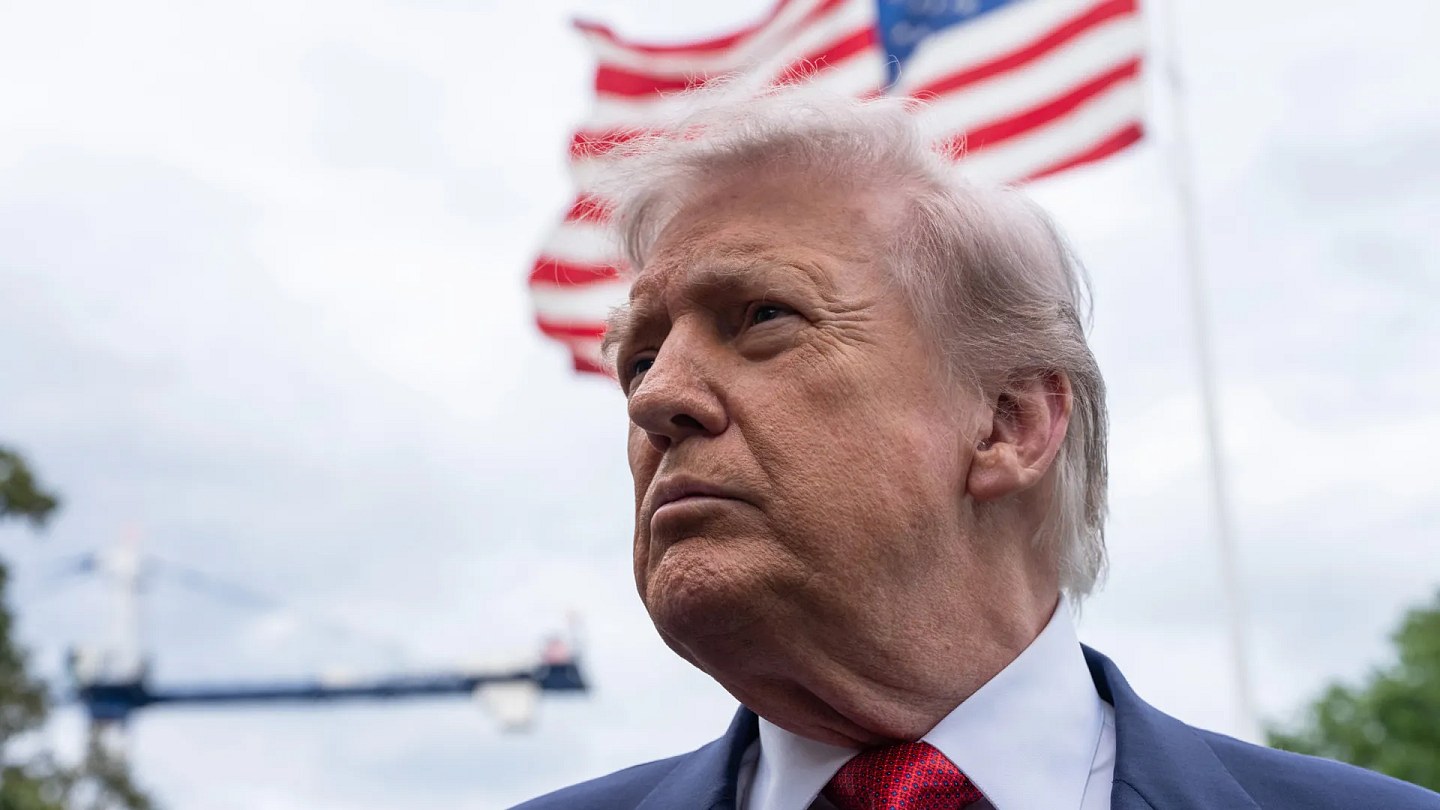
The professor claims that, if senator Flávio Bolsonaro (PL) wins the elections, his government could be motivated by revenge. Pereira remembers what happened at the beginning of American President Donald Trump's second term, with the promotion of a "witch hunt" for state officials who he considered to have little loyalty to him.
He assesses that the United States, where Flávio has already gone at least six times since the beginning of the year, could directly interfere in the Brazilian election, contributing to a scenario of chaos through the discrediting of the electoral system, in the event of a possible defeat of Jair Bolsonaro's (PL) son.
"If this type of crisis is prolonged without a concrete result, it could generate an incentive for intervention by the Armed Forces or perhaps pressure to redo elections, something unprecedented in the last decades of Brazilian democracy."*Folha - In 2022, in an interview with Folha, Mr. said that it would be more difficult to contain Bolsonaro's authoritarian momentum in a possible second term. What is at stake in 2026?Anthony W. Pereira - The possibility of a setback, which we have already seen in the United States. If, for example, amnesty is granted to people involved in the attacks in Brasília and also in the coup. In terms of accountability, it would be a step backwards and could affect other areas of the Rule of Law.Folha - Is Flávio Bolsonaro capable of presenting himself as a moderate candidate?Anthony W. Pereira - Superficially he has some characteristics that perhaps induce voters to think that he is different from his father. He wasn't a soldier, he doesn't have a truculent style, he speaks in a slightly more moderate tone. But I think the Bolsonaro family has many limitations, the father is still very strong in terms of building the hierarchy. It could be that the voter who votes thinking about a very big difference from his father will be disappointed. Another question I have is whether he would be interested in calling so many military personnel into the government, because Jair Bolsonaro, as a former military officer and someone who always brought the barracks together, liked this close relationship. I don't know if Flávio has affinities in this aspect.Folha - And Lula, going for a potential fourth term, at 80 years old, is he able to offer a new perspective on the country?Anthony W. Pereira - I think it's more difficult for a person his age, he doesn't have the dynamism he used to have. But I see that there are people in the government thinking... An interesting idea is to use Chinese investments not simply to create infrastructure to export "commodities", but to try to reindustrialize the country.Folha - Does the left have big names to compete with some figures who were born within Bolsonarism?Anthony W. Pereira - I really thought, when the PT started in the 1980s, that it would be a more institutional party. But, perhaps due to a lack of alternatives, Lula stayed. Maybe it's healthy to have a competition within the party to choose someone new, because inevitably this will involve ideas about how to renew. There are important challenges. At the height of Lula's unionism, in the 1970s, there were large masses of workers in factories, and the PT emerged organically from this environment, which no longer exists. We have, because of technology, many Uber drivers, people delivering food, with a different mentality, that of a businessman, of people who are independent. How to attract them to a genuinely democratic and broad project in terms of social inclusion is a challenge that almost all traditional left-wing parties are facing. French economist Thomas Piketty talks about the "brahmanization" of left-wing parties, that is, instead of representing the worker, they now represent the university student, the more intellectualized, middle-class person. It's a big limitation. I hope that, when Lula ends his political career, there will not only be debates about personalities, but about ideas, about how to build a future for young people. Folha - In a speech in the US in March, Flávio called for "diplomatic pressure" to guarantee free and fair elections in Brazil. He also said that this will only happen "if our people can express themselves freely on social media and the votes are counted correctly." Is it in this type of speech that the father's DNA comes through? Anthony W. Pereira - Yes, I think it comes from this 2022 idea that there was fraud in the election, and it is very similar to Trump's speech about 2020. In terms of [the discussion about] freedom of expression, some people were "doxing" [disclosing, usually with bad intentions, private information about someone]. They were identifying Federal Police agents who were investigating January 8th and encouraging violence against these people, identifying where they lived, etc. That's not the same thing as freedom of expression. There were probably questionable decisions as well, and I think that needs to be improved. You can't just ban everyone. But, in my understanding, the right of judges to monitor this type of expression that is more violent or more dangerous to democracy makes sense. It's a matter of degree, what you will allow and what you will not allow.Folha - Can you imagine, from this speech, what Flávio Bolsonaro's reaction will be if he loses the elections?Anthony W. Per
Source: Noticias ao Minuto - Ultima Hora
This story was originally published by Noticias ao Minuto - Ultima Hora. Visit the original publication for further details.
Open original publication