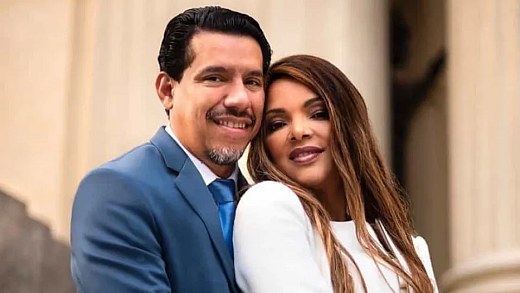
DANIELA ARCANJOBUENOS AIRES, ARGENTINA (FOLHAPRESS) - Four years after becoming the first left-wing president of Colombia, Gustavo Petro leaves the Casa de Nariño this Friday (7) to make way for the ultra-rightist Abelardo de la Espriella, winner of the June elections.
Petro leaves left consolidated in Colombia even after slipping on reform agenda
DANIELA ARCANJOBUENOS AIRES, ARGENTINA (FOLHAPRESS) - Four years after becoming the first left-wing president of Colombia, Gustavo Petro leaves the Casa de Nariño this Friday (7) to make way for the ultra-rightist...
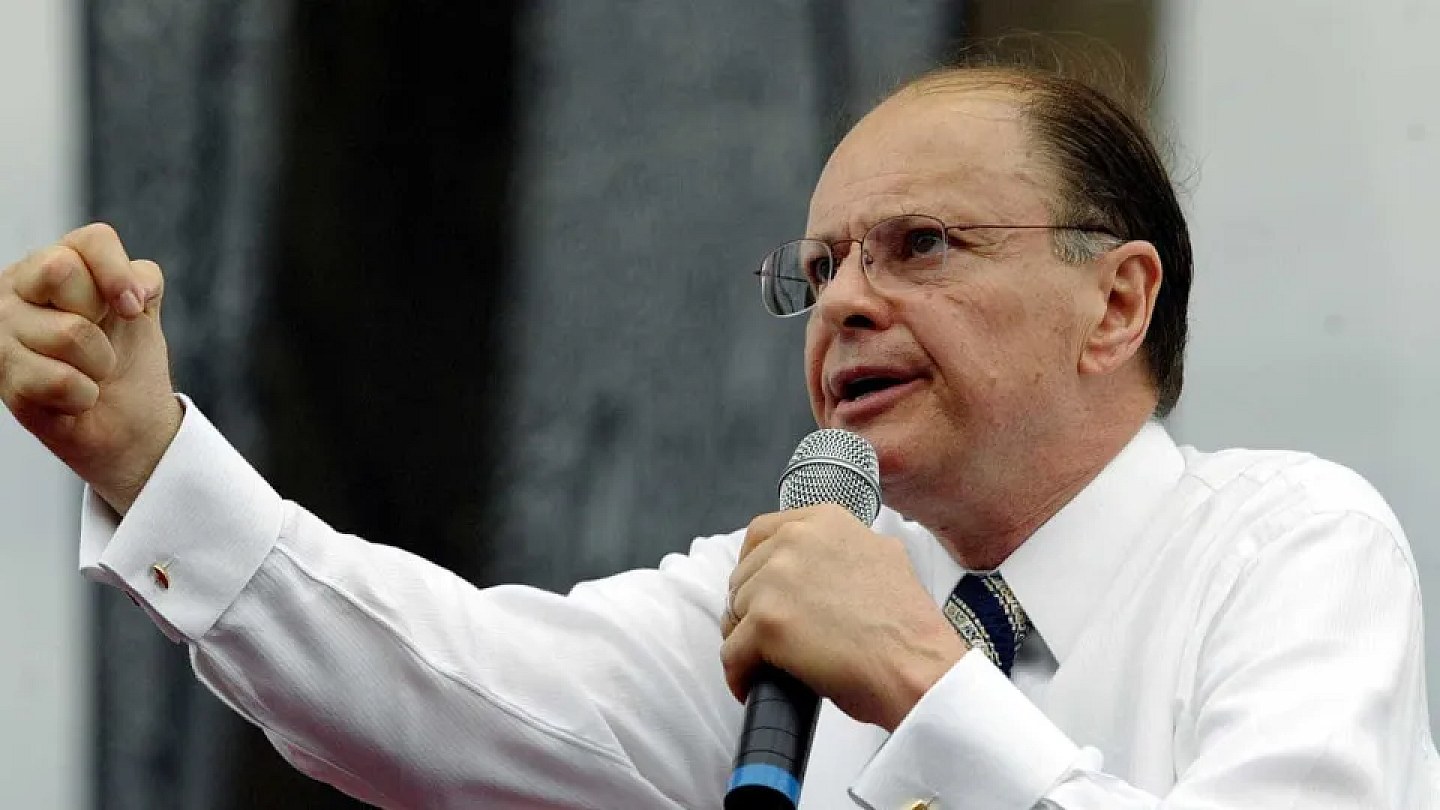
Despite the failure to elect a successor and the setbacks in trying to implement many of his reforms, the leader ends his term with a consolidated left in the country - an achievement, considering Colombia's past of civil war and alliance with the United States.
In the 2000s, while South America was taken over by left-wing governments from the so-called pink wave, Colombia kept Álvaro Uribe in power for two terms (2002-2010). But now that the region is experiencing the blue wave (as the rise of right-wing governments was called), Colombia joins the trend with its version of El Salvador's president, Nayib Bukele.
The advantage that Espriella achieved in the second round, however, shows the dimension of polarization in the country. After surprising analysts and research institutes and leading the first round by almost three percentage points, the ultra-rightist almost lost in the final vote - even after receiving the support of American President Donald Trump.
It was the closest election in Colombia's history: less than a percentage point separated Espriella from Iván Cepeda, Petro's sponsor. For comparison, Uribe beat his opponent by more than 40 percentage points in the first round of 2006, when he managed to be returned to office. Juan Manuel Santos, his successor, won the 2010 elections against the Green Party candidate with an advantage of more than 42 percentage points.
The polarization is also reflected in Congress - which should be an additional challenge for Espriella. In this year's legislative elections, held in March, the Historic Pact, Petro's party, grew the most, managing to elect 25 senators and 42 deputies. There are five more representatives in the Senate, balancing losses of another left-wing party in the House, and 15 more in the Chamber.
In percentage terms, the bench represents 23% of the seats in the Chamber of Representatives and 24% in the Senate. Although they are not a majority and face a fragmented right, the numbers are significant, especially compared to those of the 2000s, when the percentage of all left-wing parties in Congress did not reach 20%.
The greater presence of the left was already clear in 2022, when Petro came to power - which was not enough for his ambitious reform agenda. One of his greatest successes was the reduction of poverty, which ended at 28% (compared to 36.6% in 2022), the lowest level in Colombia's history. In addition to this achievement, the president managed to approve a tax reform that increased taxes on high-income people and a labor reform that increased payments for night work and on Sundays and holidays. Promises such as "total peace" with the remaining guerrillas in Colombia - and the explosion of kidnappings was one of the consequences of the groups' stay in the interior of the country - and health reform, one of the main concerns of Colombians today, fell by the wayside.
Espriella will take over the country's healthcare system in a crisis that has been going on for years. Some electoral surveys even placed the problem as the main one for Colombians.
According to a May survey by the Democracy Observatory of the University of the Andes, 26.1% of the population sees health as the country's biggest problem, more than six percentage points in relation to corruption, in second place.
In his efforts to pass health reform and other initiatives, Petro even tried to appeal to a popular consultation, stating that what he called an "institutional blockade" was a "dictatorship against the popular vote", but was blocked.
Espriella has even bolder proposals than Petro's, but with the sign changed. The new president's plans include the return of aerial fumigation to eradicate coca plantations and the end of any negotiations with armed groups, in addition to the reduction of the State with the review of ministries and public bodies.
To achieve this, the lawyer, who takes on his first public role this Friday, will need to deal with a divided society.
Source: Noticias ao Minuto
Next recommended read
This story was originally published by Noticias ao Minuto. Visit the original publication for further details.
Open original publication