One in four Brazilians is unaware that cancer is a disease that can be prevented. The information is part of the report Mais dados Mais Saúde - Perceptions of the Brazilian population on risk factors for cancer, recently released.
One in four Brazilians does not know that cancer can be prevented
One in four Brazilians is unaware that cancer is a disease that can be prevented. The information is part of the report Mais dados Mais Saúde - Perceptions of the Brazilian population on risk factors for cancer,...
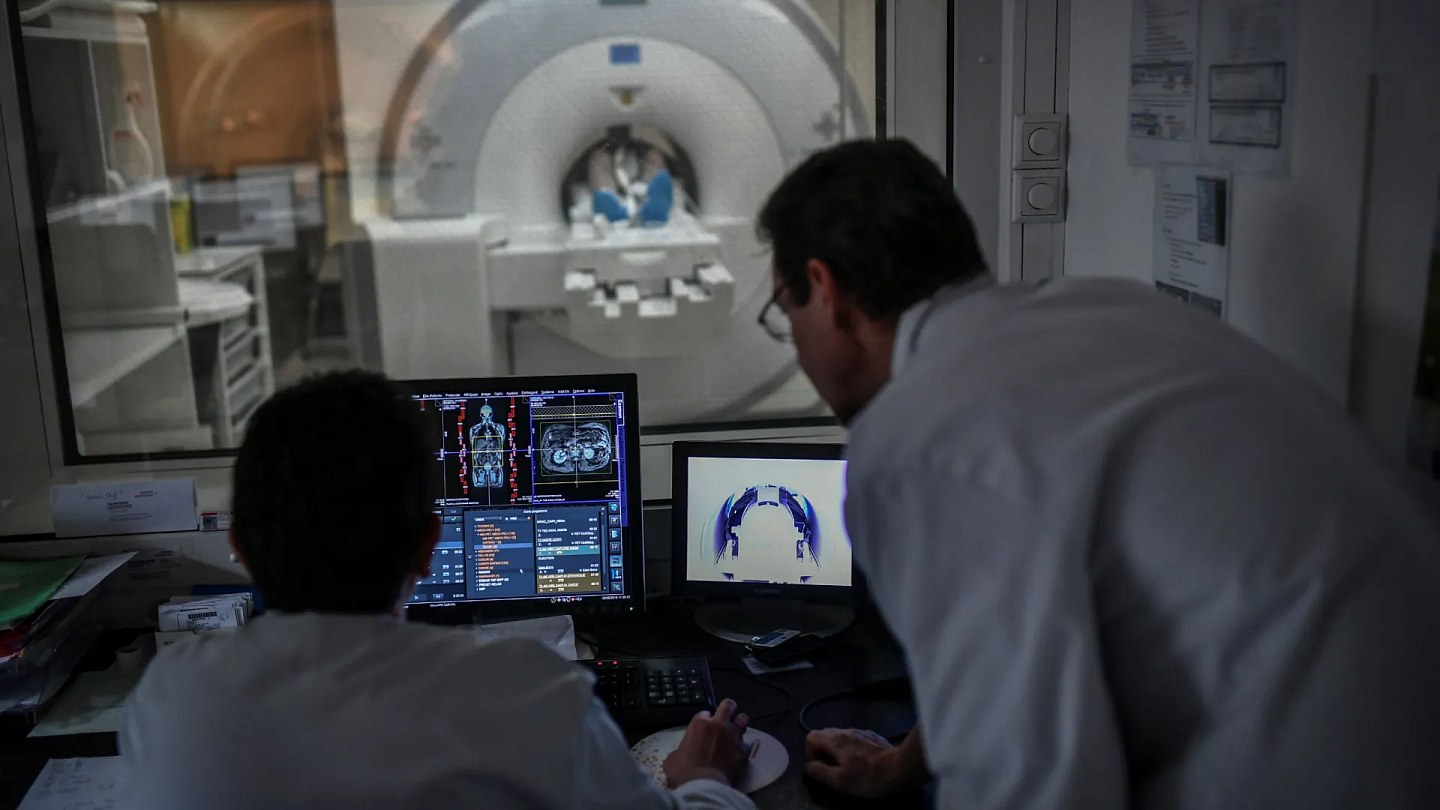
The study investigated how the population perceives and relates to some risk factors for cancer such as smoking, alcoholic beverages, ultra-processed foods and a sedentary lifestyle.
According to the National Cancer Institute (Inca), there are an estimated 781 thousand new cases of cancer per year in the 2026/2028 period. The volume represents an increase of 10.9% compared to the previous period, driven by the aging of the population and lifestyle habits. The survey is the first nationwide edition that investigates Brazilians' knowledge regarding cancer prevention, including what they think and do on the subject. The study was carried out by the organizations Umane and Vital Strategies, with support from the Devive Institute and a technical partnership with Inca. 6,500 people were interviewed in all Brazilian states and the Federal District.
Risk factors
While some habits, such as smoking and unprotected sun exposure, are more perceived by the population as dangerous, others are not seen as risk factors for cancer. This is the case of a sedentary lifestyle, for example, which appears at the bottom of this list. Less than half of Brazilians (48.3%) think that the lack of physical activity favors the development of the disease.
In the assessment of the Head of Inca's Population Research Division, Luciana Grucci Moreira, an improvement can be seen in Brazil in terms of population perception, especially in comparison to international studies.
The biggest example of this is smoking, which is recognized as a very high risk factor among the Brazilian adult population: 90.5% said they knew that smoking causes cancer. The other two factors with the highest perception rate are genetic inheritance (89.4%) and excessive sun exposure (88.3%).
Other factors are not perceived in the same way by the population, such as alcoholic beverages, cited as a risk factor by 71.3%, as well as processed foods such as ham and sausage (70.7%), and ultra-processed foods such as instant noodles, snacks and ice cream (65.6%).
For the expert, the main difference in the different degrees of perception are public policies and information campaigns, such as those implemented in relation to cigarettes in recent decades.
"Warnings on packaging, taxes to raise the price of tobacco, restricted smoking environments. In other words, a set of public policies and a lot of information and communication campaigns that have already been developed about tobacco", he compares.
She believes that to expand the population's perception, it is necessary to take similar actions for other risk factors.
The study also shows that the population is unaware that breastfeeding is a protective factor for the development of breast cancer. For every 10 respondents, 4 did not know this information.
“Women who breastfeed have greater protection against breast cancer compared to women who do not have the opportunity to breastfeed.”
Obesity
Overweight and obesity are known as a risk factor for cancer by only 54.1% of the population. The same occurs in relation to the consumption of sweetened drinks (soft drinks), low intake of fruits and vegetables and a sedentary lifestyle, which are associated with cancer by only 55.3%, 53.3% and 48.3% of Brazilian adults, respectively. Red meat is recognized as an item that increases the chance of developing cancer for less than three in ten Brazilians, or 27.5%.
"Remembering that it is not just information that is decisive for a food choice. There are other issues such as access to food, income, food prices, marketing. We need to advance other public policies together to promote not only this perception, but also the improvement of healthier choices by the population", he argues.
It reinforces the need for public policies to prevent environmental and behavioral factors that increase the chance of developing cancer, such as physical activity and adequate nutrition.
"It's not just saying: 'do physical activity'. The street where the person lives has to be lit, safely, for them to exercise. Public policy has the role of providing the option of better choices for all these risk factors", he explains.
Behaviors
The research also investigated the population's habits related to risk factors for cancer, such as the consumption of processed foods, ultra-processed foods, red meat and sweetened drinks. And the interviewees were also asked whether or not they intended to reduce consumption.
Around 45% of individuals reported consuming ultra-processed products and having tried to reduce their consumption, while 33% said they did not consume them and 15% consumed them and had no intention of reducing this habit. In relation to soft drinks and other sweetened drinks, approximately 53% reported consumption with an attempt to reduce it, 27% do not consume it and around 15% do not want to reduce their intake.
In relation to red meat, a higher proportion of individuals reported consuming without trying to reduce (around 45%), followed by those who consume and try to reduce (approximately 40%), while non-consumption is less frequent (around 10%).
On the other hand, 86.3% of the population said they consume fruits and vegetables. Among those who do not consume, 8.3% said they intended to start.
Young people
The report reveals that young people up to 24 years of age are those who most consume the foods most linked to risk factors without the intention of reducing them. This behavior was accused by 32.3% in relation to ultra-processed foods, 24.4% in relation to sweetened drinks, 29.5% in relation to sausages and 49.1% in relation to red meat.
Regarding alcoholic beverages, a substance associated with at least eight types of cancer, half of the population (50.1%) reported not consuming while 32.5%, among those who do consume, have already tried to reduce the habit. Young people up to 24 years of age are the majority among those who declare drinking and have no intention of reducing (16.9%), the same answer given by 8.7% of people aged 25 to 59 and by 7.1% of those over 60 years of age.
Sedentary lifestyle
Regarding a sedentary lifestyle, 52.2% said they practice physical activity and 39% said they wanted to start exercising. The richest are those who know most about the importance of physical activity in preventing cancer. Around 45% of those who received up to R$2,000 had a lower proportion of knowledge about sedentary lifestyle as a risk factor compared to those with income equal to or greater than R$10,000 (59.6%).
When asked about body weight, 48.8% declared themselves to be of a healthy weight. Among those who recognize that they are overweight, 31% said they are doing something about it, but this number drops to 22.9% among people with an income of less than R$2,000, compared to more than 40% among those with an income above R$3,000.
Strategies
In the opinion of Inca's manager, Luciana Moreira, the result of the study allows us to think and plan what efforts should be made to bring quality information to the population.
“If the population today does not recognize, for example, that processed meats increase the risk of cancer, this information is very important for us, who work with prevention actions and the creation of public policies, that we need to invest in communication strategies”, he states.
Luciana Sardinha, from Vital Strategies, believes that the study has a very positive effect in awakening interest in the subject among the population. “By giving visibility to the results, they draw the population’s attention to the risk factors for cancer.”
Read Also: US report against Brazil cites advance in soybeans and spike in deforestation under Bolsonaro
Source: Noticias ao Minuto - Ultima Hora
This story was originally published by Noticias ao Minuto - Ultima Hora. Visit the original publication for further details.
Open original publication