There are some habits that can end up harming brain health. Among them, there is one that neurologists point out as one of the main responsible for accelerating brain aging. Do you do this often?
Neurologists warn about habits that age the brain faster
There are some habits that can end up harming brain health. Among them, there is one that neurologists point out as one of the main responsible for accelerating brain aging. Do you do this often? On the EatingWell...
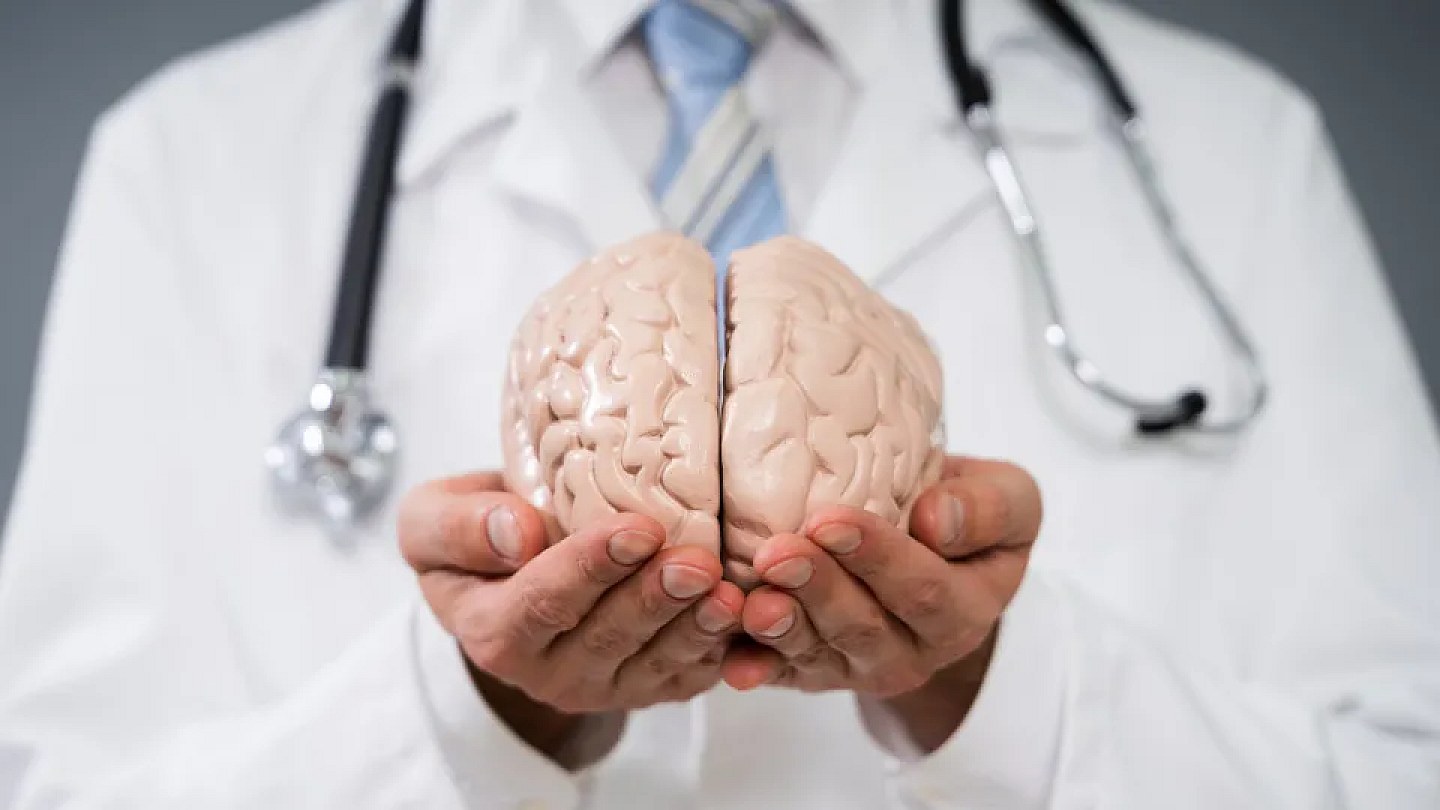
On the EatingWell website, several neurologists stated that alcohol consumption can compromise cognitive function. The warning is mainly aimed at frequent consumption, and not for that occasional drink, like the one on the weekend.
How does alcohol affect brain health? "A habit that many people underestimate, but which can silently harm the healthy aging of the brain, is regular alcohol consumption, especially at night, excessive drinking or using alcohol to relax or deal with stress", explains neurologist Lynette Gogol.
"Alcohol is a neurotoxin, which means it can negatively affect the functioning of brain cells, the white matter connections that connect different regions of the brain, and, over time, even the size of the organ," says Zack Ramilevich.
Experts also highlight that alcohol consumption tends to be more socially accepted than smoking, but its effects on the brain can be equally harmful.
Why does alcohol harm the brain?
One of the main impacts is on the quality of sleep.
"Alcohol can fragment sleep, reduce its quality, interfere with the REM phase and worsen snoring or sleep apnea in more susceptible people", explains Lynette Gogol.
Furthermore, drinking can compromise communication between brain cells.
"Alcohol can alter the structure and communication networks of the brain. Neuroimaging studies show that excessive consumption is associated with a reduction in brain volume", says the expert.
Less nutrients and more inflammation
Another problem is the impact on blood vessels.
"Any factor that impairs vascular health can also compromise cognitive resilience over time. This resilience is critical to promoting healthy brain aging," says Lynette Gogol.
She also highlights that alcohol can reduce levels of essential nutrients for the brain. In an interview with EatingWell, expert Adam Mednick explains that the drink reduces levels of vitamin B12, other B vitamins, thiamine and folate.
"These nutrients play important roles in brain health, including the production of neurotransmitters," he says.
Increased inflammation is also among the effects associated with frequent alcohol consumption.
"Over time, chronic inflammation can damage neurons and reduce brain volume, making it less resistant to aging," concludes Lynette Gogol.
Source: Noticias ao Minuto
Next recommended read
This story was originally published by Noticias ao Minuto. Visit the original publication for further details.
Open original publication