BRASÍLIA, DF (FOLHAPRESS) - The Luiz Inácio Lula da Silva (PT) government notified 37 fintechs suspected of moving money from illegal bets in Brazil, in an action that aims to block the resources and incorporate them into the Union's coffers.
Lula government notifies 37 fintechs for moving money from illegal bets
BRASÍLIA, DF (FOLHAPRESS) - The Luiz Inácio Lula da Silva (PT) government notified 37 fintechs suspected of moving money from illegal bets in Brazil, in an action that aims to block the resources and incorporate them...
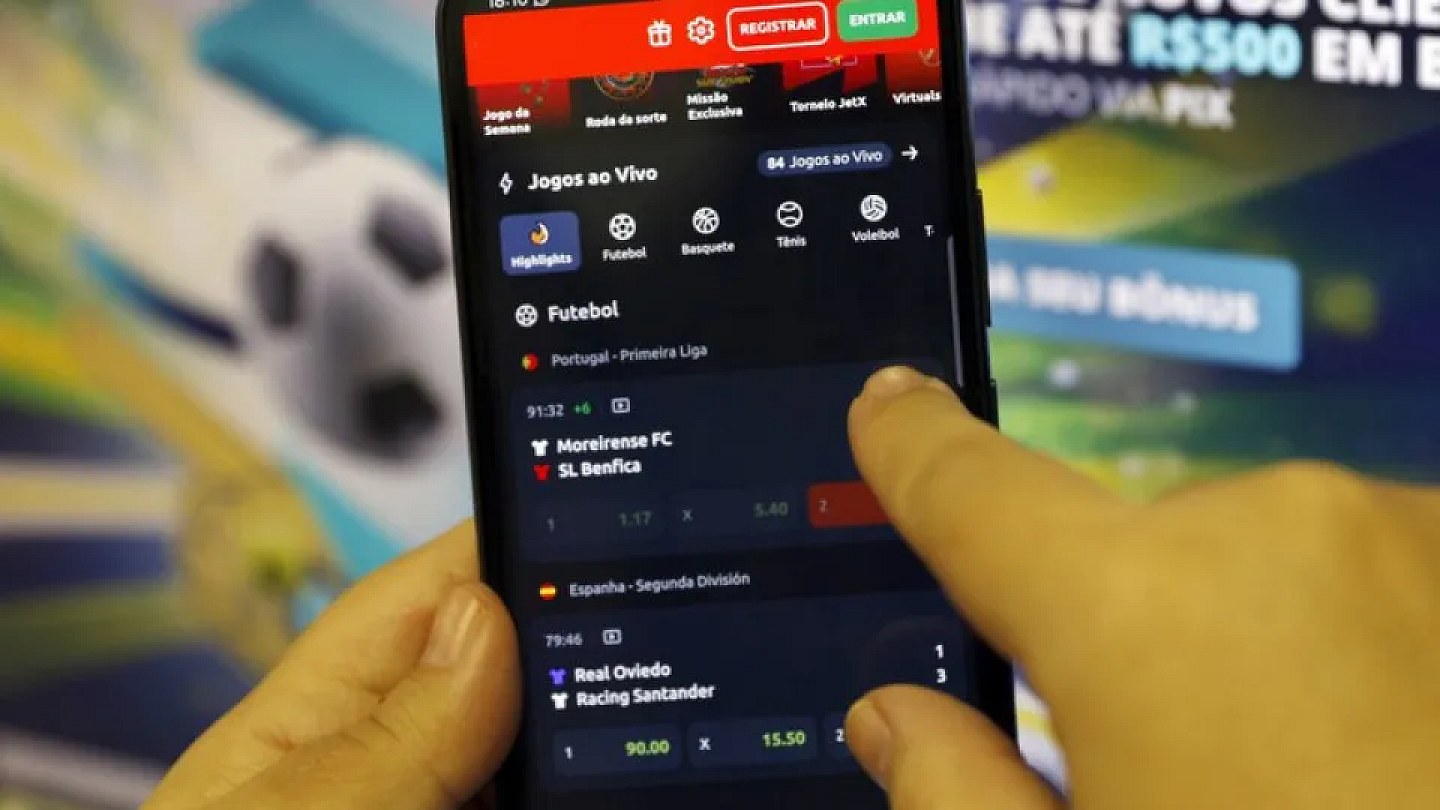
These financial institutions handled transactions from 160 betting houses without authorization to operate in Brazil. The Executive also took down 54 thousand websites that host irregular bets.
Fintechs have already been notified by the SPA (Secretariat of Prizes and Bets) of the Ministry of Finance and the Federal Revenue, and they need to stop irregular bets, preventing financial operations.
Otherwise, they will be held jointly liable for the irregularities and may be fined, based on the total amount moved.
The government does not disclose the list of institutions targeted by the action, nor the amounts involved, to preserve the confidentiality of information and avoid compromising the work of the investigation teams.
In June, Lula issued a decree inspired by mechanisms for action against organized crime provided for in the Anti-Faction Law. The rule provides for the blocking of financial resources from illegal betting houses and joint and several liability if the request is not met - which provided the legal basis for the government to issue the notifications.
So far, no blockade has been implemented because the Treasury granted a deadline until the end of August for financial institutions to adapt to the new rules. Only from then on will the notifications be accompanied by the blockade and a process at the Ministry of Justice, which will investigate whether the companies complied with the determination and, if not, define the punishments.
The Executive chose this path after trying, unsuccessfully, for more incisive action by the Central Bank. The body is the regulator of the financial system and, in the view of members of the economic team, could charge fintechs to block resources.
According to a government interlocutor, however, the BC argued in internal conversations that the usual procedure provides for notice of a blocking request, but the responsibility for freezing resources lies with the financial institution. If she fails to comply, the BC may issue a warning.
Shortly after the decree against illegal betting, the Executive noted that five companies that explored the market clandestinely closed their activities.
The government considers betting sites that have not gone through the Treasury licensing process to be clandestine. The Executive estimates that 41% to 51% of bets operating in the country are illegal, with 25.2 million Brazilian users.
These companies do not adhere to rules of good conduct in advertising, for example, and operate without paying a fee of R$30 million to the government or collecting taxes. Nor do they respect the self-exclusion system, which prevents people registered from accessing regular bets.
Regular bets must pay the fee, be based in the country and also have a financial reserve of R$5 million to guarantee the payment of prizes. They still use the ".bet" code in the URL, which is not the case with illegal ones. They also pay 12% tax on net winnings (after winnings are paid) and must comply with responsible gaming requirements, such as presenting anti-addiction warnings.
Bookmakers need a financial institution to receive money from bettors and pay out prizes. In the case of companies without authorization from the Treasury, the resources moved must be blocked.
The taking down of websites is done through a joint agreement with Anatel (National Telecommunications Agency), which is activated by the Secretariat of Prizes and Bets.
The betting sector exploded in the country from 2019 onwards, in a gray area of legislation left after the Michel Temer (MDB) administration released the activity of fixed odds betting (one in which the person knows the return they will have if they get the bet right).
It was up to the Jair Bolsonaro (PL) administration to regulate the activity, which was not done. The result was that companies began to operate in Brazil, but with headquarters abroad, sometimes in tax havens, and without any type of operating rules, control or payment of taxes.
From 2023 onwards, the Lula government, seeking to increase revenue, agreed to approve a law to regulate the operation of bets. During the process in the National Congress, congressmen inserted authorization for virtual games into the text, which includes online casinos and games such as "tigrinho".
During this year's World Cup, bet advertisements invaded game broadcasts with aggressive advertisements, and were targeted by both the Ministries of Finance and Justice, as well as internet campaigns led by artists and influencers.
Read Also: Social Security suspends 167 experts on suspicion of irregular denials of sick pay
Source: Noticias ao Minuto - Ultima Hora
This story was originally published by Noticias ao Minuto - Ultima Hora. Visit the original publication for further details.
Open original publication

