Luiz Carlos Barreto, one of the most important and longest-lived producers in Brazilian cinema, died in the early hours of this Wednesday (22), in Rio de Janeiro, at the age of 98. The death was confirmed by his daughter, Paula Barreto.
Luiz Carlos Barreto, one of the pillars of Brazilian cinema, dies at 98
Luiz Carlos Barreto, one of the most important and longest-lived producers in Brazilian cinema, died in the early hours of this Wednesday (22), in Rio de Janeiro, at the age of 98. The death was confirmed by his...
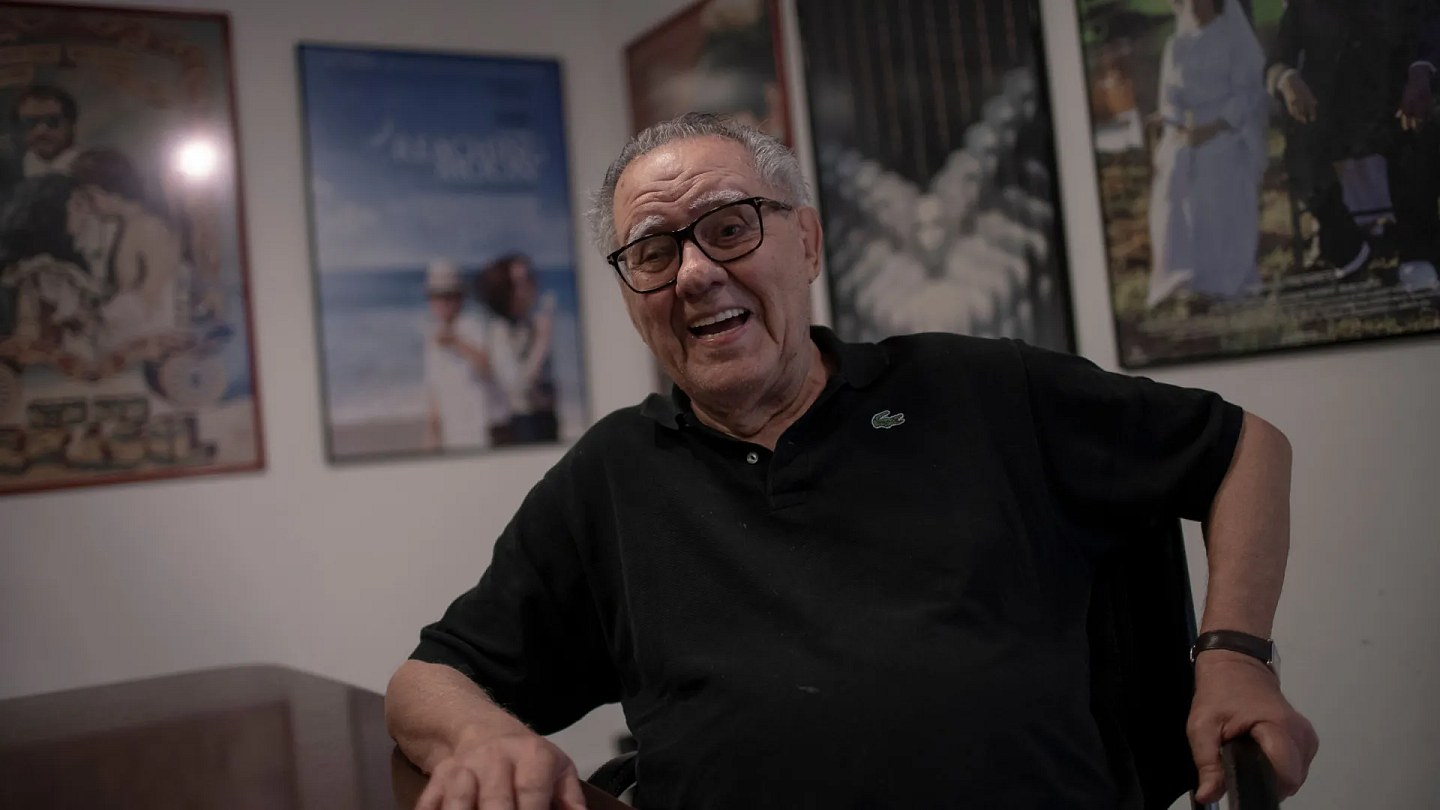
Known as Barretão, the filmmaker was hospitalized at Copa Star Hospital. For two years and four months, he had been living with paraplegia after suffering an accident.
Over more than seven decades of experience, Barreto participated in the making of more than 70 films and helped to build some of the central chapters of national cinematography. His career is linked to productions such as “Vidas Secas”, “Terra em Transe”, “Dona Flor e Seu Dois Maridos”, “Bye Bye Brasil”, “Memórias do Cárcere”, “O Quatrilho” and “O Que É Isso, Companheiro?”.
Born in Sobral, Ceará, in 1928, Barreto used to remember that, at that time, only three out of every ten children managed to complete their first year of life. She said she was one of those survivors, an image she also used to define the persistence that marked her career.
Before arriving in cinema, he began working as a teenager in journalism. He worked at O ??Democrat, a publication linked to the Communist Party in Ceará, which closed in 1947 after the party lost its legal registration.
Afterwards, he moved to Rio de Janeiro and joined the magazine O Cruzeiro, one of the most circulated and influential publications in the country at that time. He became a reporter and photojournalist, working alongside professionals such as José Medeiros and Indalécio Vanderley.
Barreto considered Medeiros one of his masters and admired the direct way in which he portrayed reality. The experience acquired in journalistic photography would be fundamental for the work he would later develop in cinema.
As a correspondent in France, Barreto followed film productions and even joined the Institut des Hautes Études Cinématographiques, Idhec. He abandoned the course a few days later, uncomfortable with the emphasis given to theory. He preferred to observe the teams in the studios and follow the filming, access made easier by his journalist credentials.
The definitive entry into cinema took place after returning to Brazil. During the filming of “Barravento”, he became close to Glauber Rocha. The film was later edited on a moviola installed in Barreto's house, with Nelson Pereira dos Santos responsible for the work.
Glauber Rocha also recommended him to collaborate on the script for “Assalto ao Trem Pagador”, directed by Roberto Farias, and insisted that he take over the photography of “Vidas Secas”, by Nelson Pereira dos Santos.
Barreto initially resisted the invitation. He argued that his experience was with journalistic photography, not with moving images. Glauber, however, believed that the work of a northeastern photographer could renew the way the region was shown on screen.
In “Vidas Secas”, Barreto dispensed with the filters traditionally used to soften the intense luminosity of the Northeast. The decision produced images with strong contrasts and contributed to a transformation in Brazilian cinema photography.
In 1963, he founded the production company L.C. Barreto alongside his wife, Lucy Barreto, his professional partner throughout his life. The company would become one of the most relevant in the Brazilian film industry.
Barreto returned to work with Glauber Rocha in “Terra em Transe”. The film's photography also favored natural light and required attention to the settings to preserve the identity of Eldorado, a fictional country that served as a representation of Brazil.
The first production entirely directed by him was “A Hora e a Vez de Augusto Matraga”, released in 1965 and directed by Roberto Santos. From that period onwards, Barretão expanded partnerships with filmmakers linked to Cinema Novo, including Joaquim Pedro de Andrade, Carlos Diegues, Nelson Pereira dos Santos, Walter Lima Jr. and Glauber Rocha himself.
The producer was also involved in “O Padre e a Moça”, an adaptation of a poem by Carlos Drummond de Andrade directed by Joaquim Pedro. Years earlier, the filmmaker had already participated in the beginning of Barreto's career in the sector by directing “Garrincha, Alegria do Povo”.
During the military dictatorship, Barreto continued working despite the restrictions imposed on cinema and the exile of some collaborators. He was co-producer of “O Dragão da Maldade contra o Santo Guerreiro” and “Terra em Transe”, both directed by Glauber Rocha.
Consolidation as one of the main Brazilian producers occurred in the 1970s, a period in which Embrafilme assumed a central role in the financing and distribution of national films. L.C. Barreto gained prominence, while Barretão also began to act behind the scenes in politics in defense of the sector.
He attributed an important part of the production company's growth to Lucy Barreto, who managed different projects. While she monitored the execution of the works, her husband maintained contact with authorities and defended public policies aimed at national cinematography.
His political activities also earned him criticism. Opponents accused him of using his influence to benefit his own projects. Even so, his presence was decisive in the debates about Embrafilme and the need to strengthen Brazilian production.
Barreto defended a cinema capable of combining artistic quality and popular reach. For him, theaters should not abandon the role of communicating with large audiences to television.
This vision guided productions such as “Como Era Gostoso o Meu Francês”, “Memórias do Cárcere”, “Inocência”, “Ele, o Boto”, “Menino do Rio” and “Bye Bye Brasil”.
The best example of this proposal was “Dona Flor and Her Two Husbands”, directed by her son Bruno Barreto and released in 1976. Based on the novel by Jorge Amado, the film brought almost 11 million people to Brazilian cinemas.
The production received Bafta and Golden Globe nominations, in addition to contributing to Sonia Braga's international projection. For years, it remained among the highest-grossing films in history.
Source: Noticias ao Minuto - Ultima Hora
This story was originally published by Noticias ao Minuto - Ultima Hora. Visit the original publication for further details.
Open original publication