SÃO PAULO, SP (FOLHAPRESS) - The United States naval blockade against vessels going to or coming from Iran began this Tuesday (14) at 5 pm Brasília, marking a new phase in the conflict between the Americans and the Persian theocracy.
Iran and US amplify attacks, and Trump's naval blockade begins
SÃO PAULO, SP (FOLHAPRESS) - The United States naval blockade against vessels going to or coming from Iran began this Tuesday (14) at 5 pm Brasília, marking a new phase in the conflict between the Americans and the...
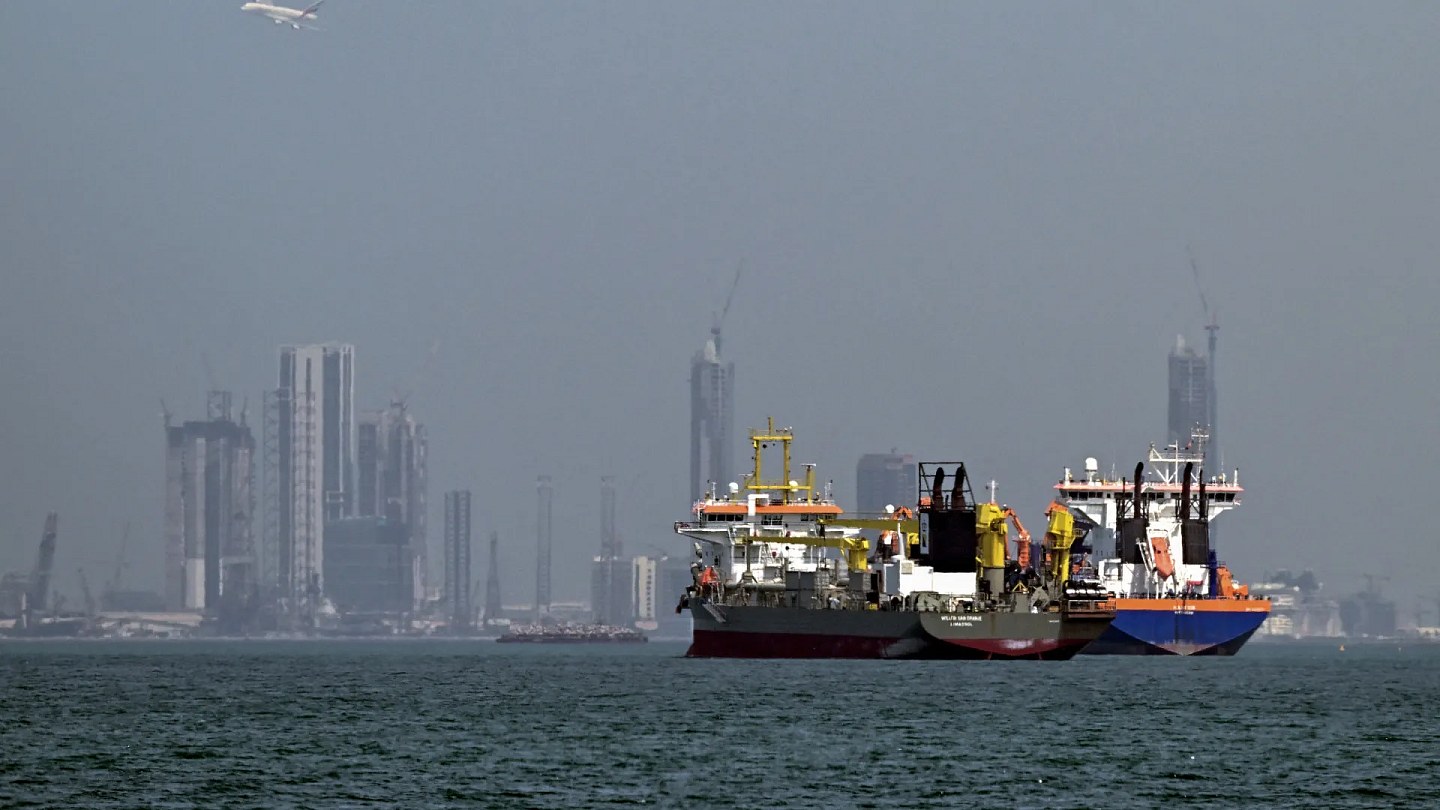

According to the US Navy, the US Navy will prevent vessels bound for or leaving Iranian ports from traveling through the Strait of Hormuz, in addition to merchant ships flying the country's flag.
There are two American aircraft carriers in the region and around 20 combat and support ships, notably Arleigh Burke-class destroyers, used for approaches against adversaries.
The measure was already valid before, between April 13 and June 17, when the ceasefire agreement was signed that Donald Trump declared null last Wednesday (8). The US Central Command, responsible for the Middle East, said it had diverted 140 vessels and immobilized another 9.
The American president caused controversy when he said that, as Iran wants, he would charge a toll to guarantee the free navigation that he is unable to guarantee today in the strait. He gave up after a day, under pressure from allies in the Persian Gulf, and said he would exchange the fee for trade agreements in the region.
Iran considers the measure abusive and illegal, and has already said that it will not respect the new blockade, which revolves around controlling the strategic route through which a fifth of the oil and liquefied natural gas sold in the world flowed before the start of the current crisis, with the Israeli-American attack on February 28.
For its part, Tehran has maintained its hostile activity against movement in the region, saying that it will only allow ships to pass through Hormuz that request authorization from the country's Revolutionary Guard.
In practice, traffic is almost nil, restricted to four ships in the most recent measurement of monitors. Before the war, there were 140 coming and going by sea.
Meanwhile, violence increases from side to side, maintaining the routine of attacks that began last Wednesday and only interrupted on Friday (10). Trump's forces launched bombings during the early hours of Tuesday and resumed the action later in the night.
The main targets are in positions close to Hormuz, such as the island of Qeshm and the port of Bandar Abbas.
On the other hand, the Iranians once again took action against commercial vessels, hitting at least 4 oil tankers in waters close to the strait - two of them from the United Arab Emirates, which once again spoke in a harsher tone about Tehran's actions.
In a first at this stage of the crisis, Iran also struck a Kuwaiti warship, injuring four sailors. Until now, the theocracy said it was only targeting American installations, but on Monday (13) it issued a statement saying that the neighbors' support for the USA would be read as an "act of war".
This leads to questions about the possibility of an escalation involving nations in the region, which has not occurred with the obvious exception of Israel and, now, the part of Yemen controlled by rebels allied with Iran. Tehran also attacked American-linked bases in Bahrain. There is still no damage estimate.
Read Also: Trump now says he will trade tolls in Hormuz for business
Source:
Noticias ao Minuto - Mundo