SÃO PAULO, SP AND PELOTAS, RS (FOLHAPRESS) - Oil rose again by more than 5% this Tuesday (14) with the intensification of the war in the Middle East and the dispute between the USA and Iran for control of the Strait of Hormuz, through which 20% of the world's oil and gas production passes.
Oil rises more than 5% and increases US$ 10 in two days as the conflict in Iran intensifies
SÃO PAULO, SP AND PELOTAS, RS (FOLHAPRESS) - Oil rose again by more than 5% this Tuesday (14) with the intensification of the war in the Middle East and the dispute between the USA and Iran for control of the Strait of...
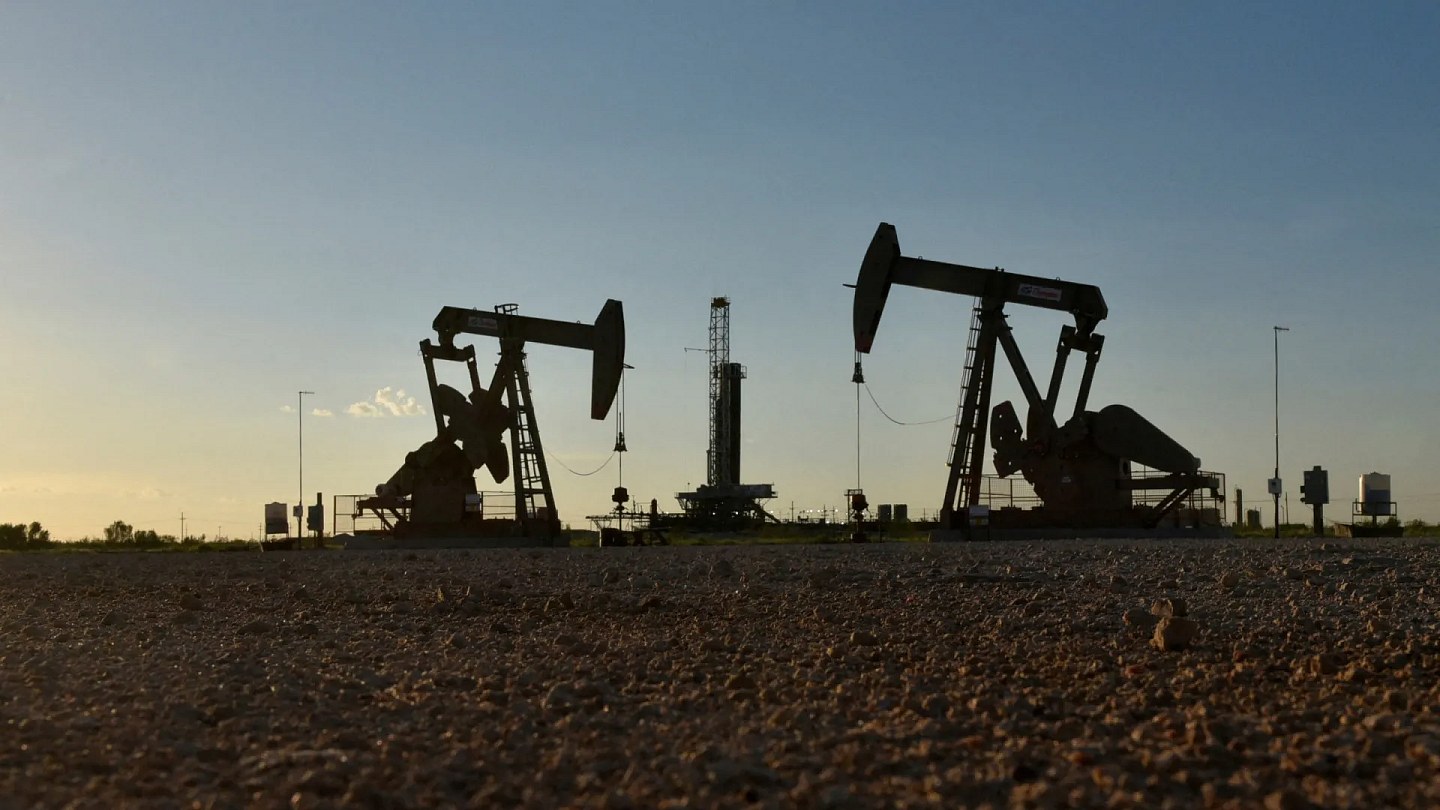

The September contract for a Brent barrel, a global reference, opened the session at around US$84, rose to US$85 overnight and had a new peak this morning, reaching US$87.55, around 7:30 am (Brasília time), an increase of 5.1%. At 5pm, the commodity continued to rise, but with less intensity, rising 2.53%, to US$85.41.
The intensification of the conflict has caused oil to rise by more than US$10 since Friday (10), when the price reached a maximum of US$77.52. After that, the price was directly impacted by the increase in attacks between the US and Iran, the announcement on Saturday by the Iranian Revolutionary Guard that Hormuz would be closed and the threat on Monday (13) by US President Donald Trump to charge a 20% tariff on all vessels to travel the route.
As a result, oil returned to the level reached before the ceasefire announced on the night of June 14, a Sunday. The following day, Brent was traded at US$85.40. The value reached this Tuesday is the highest since June 12, the last day of trading before the ceasefire announcement, when the maximum price of Brent was US$89.90.
In addition to charging tariffs, Trump stated that the US will resume blocking Iranian ships in the sea. "We will maintain control of the strait and probably manage it. We will be the guardians of the strait. Maybe the guardian angel of the strait. And we should be reimbursed for that," the Republican told Fox News.
Iran, in turn, responded in a statement from its joint military command. He stated that he will not allow the US to operate in the region and that he will attack any vessel that does not have his authorization to pass through designated routes. Any aid from countries neighboring the US will still bring retaliation, Tehran said - the support will be seen as "an act of war".
The threats became reality during Monday night (in Brazil) with Iran firing missiles at US air bases in Jordan, a country that had been acting as a negotiator for a peace agreement.
After the attacks, Iran's Revolutionary Guard released a statement praising its good relationship with Jordan, but that it needed to dismantle the US base in the country. "You (Jordanians) know very well that not only do we not have any enmity with your country, but we also love you, noble people, who understand the pain and oppression of the Palestinian people more than any other nation," said the regime's military wing.
Furthermore, the UAE Defense Ministry reported on Monday that Iranian cruise missiles struck two of the country's oil tankers while transiting the southern lane of the strait, in Oman's territorial waters. The Iranian military confirmed the attack on two vessels, but did not identify the ships' origin.
The US response was five consecutive hours of attacks on Iranian targets during the early hours and morning of Tuesday. The attacks have raised doubts that an interim agreement reached last month will lead to a permanent halt to a war that has lasted more than four months.
Regional analysts said that hostilities remain, for now, within controlled limits, with both sides seeking leverage for an eventual peace agreement, but that there is still a risk of the fighting getting out of control.
"I doubt the two sides will resume an all-out war, especially since Trump will be harmed - although there is also a distinct possibility that the Iranians will overdo their actions. That goes for Trump too, of course," said Yezid Sayigh, a senior fellow at the Carnegie Middle East Center.
Concern about the worsening of the conflict meant that traffic through the Strait of Hormuz, which was gradually resuming last week, was practically paralyzed again this week.
"The prospect of more confrontations and a new blockade has caused cross-strait traffic to almost completely decline," commented Kathleen Brooks, research director at trading group XTB. "When the supply chain becomes congested, this is what maintains upward pressure on the price of oil," he added.
Read Also: Dollar falls sharply and stock market advances with US inflation below expectations
Source:
Noticias ao Minuto - Ultima Hora