SÃO PAULO, SP (FOLHAPRESS) - In an effort to end the queue of requests before the elections, the INSS (National Social Security Institute) increased the number of denials and concessions of benefits. As a result, the queue reached 1.55 million in July, and the number of policyholders waiting for a response for more than 45 days fell by 80%.
INSS queue drops to 1.55 million in July, with a 66.5% increase in requests denied in 2026
SÃO PAULO, SP (FOLHAPRESS) - In an effort to end the queue of requests before the elections, the INSS (National Social Security Institute) increased the number of denials and concessions of benefits. As a result, the...
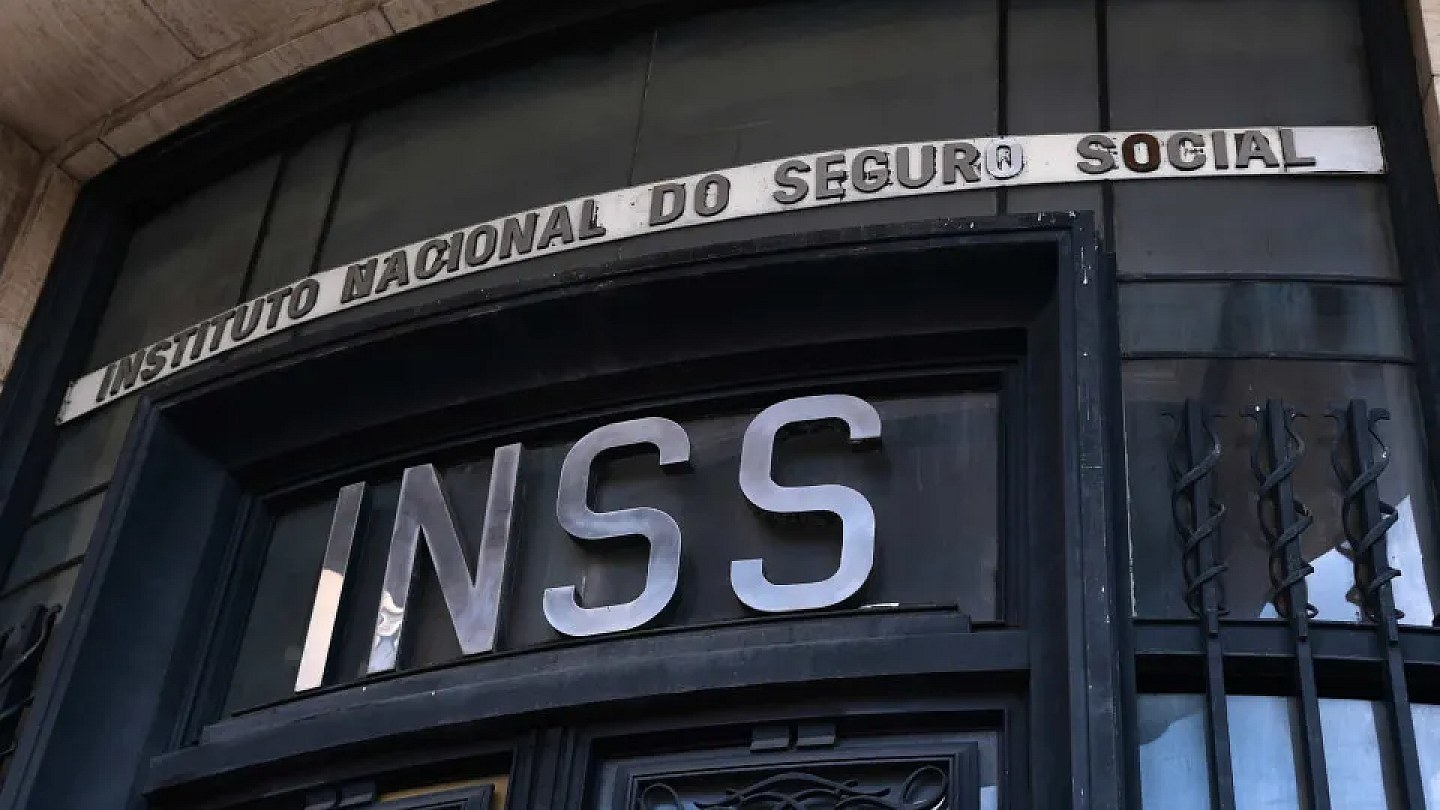
The drop in the queue is 50.5% compared to the 3.13 million requests in February, the highest volume in 2026.
Social Security data also shows that, from January to May this year, the monthly average of benefits granted was 683.8 thousand, an increase of 72.5% compared to 2021, when, on average, 396.3 thousand benefits were granted per month. In the same period, the number of denied requests jumped from 401.5 thousand to 668.6 thousand per month, an increase of 66.5%.
This year, the total number of policyholders waiting for more than 45 days fell from 1.882 million in January to 374 thousand in July, a reduction of 80.1%. Waiting beyond 45 days is contrary to social security legislation and brings costs to the coffers, because the institute is obliged to pay for the delay.
In a note, Social Security states that the reduction is the result of a series of actions, including the bonus payment program for employees, the hiring of new medical experts, the change in Atestmed - a system that grants sickness benefits remotely, without the need for medical expertise - and the joint efforts.
The ministry also says the accelerated results occurred at a time of low number of servers. The folder also highlights the growth in the number of requests, which reached 13.682 million throughout 2025 compared to 7.55 million in 2020, the year in which Brazil experienced the Covid-19 pandemic and the total number of requests for sickness benefits and death pensions grew.
"The evolution of operational indicators stands out when compared to the reduction in the authority's staff over the last decade. In December 2015, the combined workforce of the INSS and federal medical expertise had 37.5 thousand employees. Currently, Social Security operates with a structure of 22.2 thousand active employees - a reduction of more than 40%", says the body.
The average concession time also fell, from 108 days in 2021, to 50 days at the end of June. The average number of concessions and denials remained stable, at around 50%. For months, however, denials have been falling to 45%, which means that, out of every ten requests, five are denied.
Another problem is the queue of policyholders fulfilling the requirement. This step requires the presentation of additional documents, which causes the benefit request to be stalled.
In January, there were 812 thousand policyholders in need. The number fell to 777 thousand in July, a reduction of 4.13%. Compared to the peak in February this year, when there were 1.144 million in demand, the drop is 32.08%.
According to lawyer Adriane Bramante, from the OAB-SP (Brazilian Bar Association in São Paulo) pension law commission, some benefits have actually been analyzed more quickly, such as retirement due to age and administrative appeals against denied benefits.
Requests that depend on medical expertise continue to face delays and can take more than six months to be completed, according to the specialist. "What you can't do is try to reduce the queue without quality analysis. In this case, the queue just changes location", he states.
According to Adriane, when a benefit is incorrectly denied, the insured ends up appealing to the INSS itself or taking legal action, which only transfers the problem instead of solving it.
Before making the request, the insured must check whether the data from the Cnis (National Register of Social Information) is correct, as this is the main document used by the INSS to analyze the right to the benefit.
If the institute makes any requirement during the analysis of the process, the documents can be delivered via the application or the Meu INSS website. In-person service at agencies only occurs in specific situations or when the agency itself requests the presentation of original documents for scanning.
In March this year, the Minister of Social Security, Wolney Queiroz, detailed to Folha de S.Paulo what would be done to end the queue. Among the actions were the bonus program and the hiring of new experts.
Source: Noticias ao Minuto
Next recommended read
This story was originally published by Noticias ao Minuto. Visit the original publication for further details.
Open original publication