SÃO PAULO, SP (FOLHAPRESS) - The dollar retreats this Wednesday (5), while investors await the interest rate decision from the Copom (Monetary Policy Committee) of the Central Bank, which will be released after the market closes, around 6:30 pm.
Dollar falls and Stock Exchange rises with Copom's interest rate decision and abroad on the radar
SÃO PAULO, SP (FOLHAPRESS) - The dollar retreats this Wednesday (5), while investors await the interest rate decision from the Copom (Monetary Policy Committee) of the Central Bank, which will be released after the...
Analysts also evaluate a new presidential election survey released by Genial/Quaest and negotiations between the US and Iran.
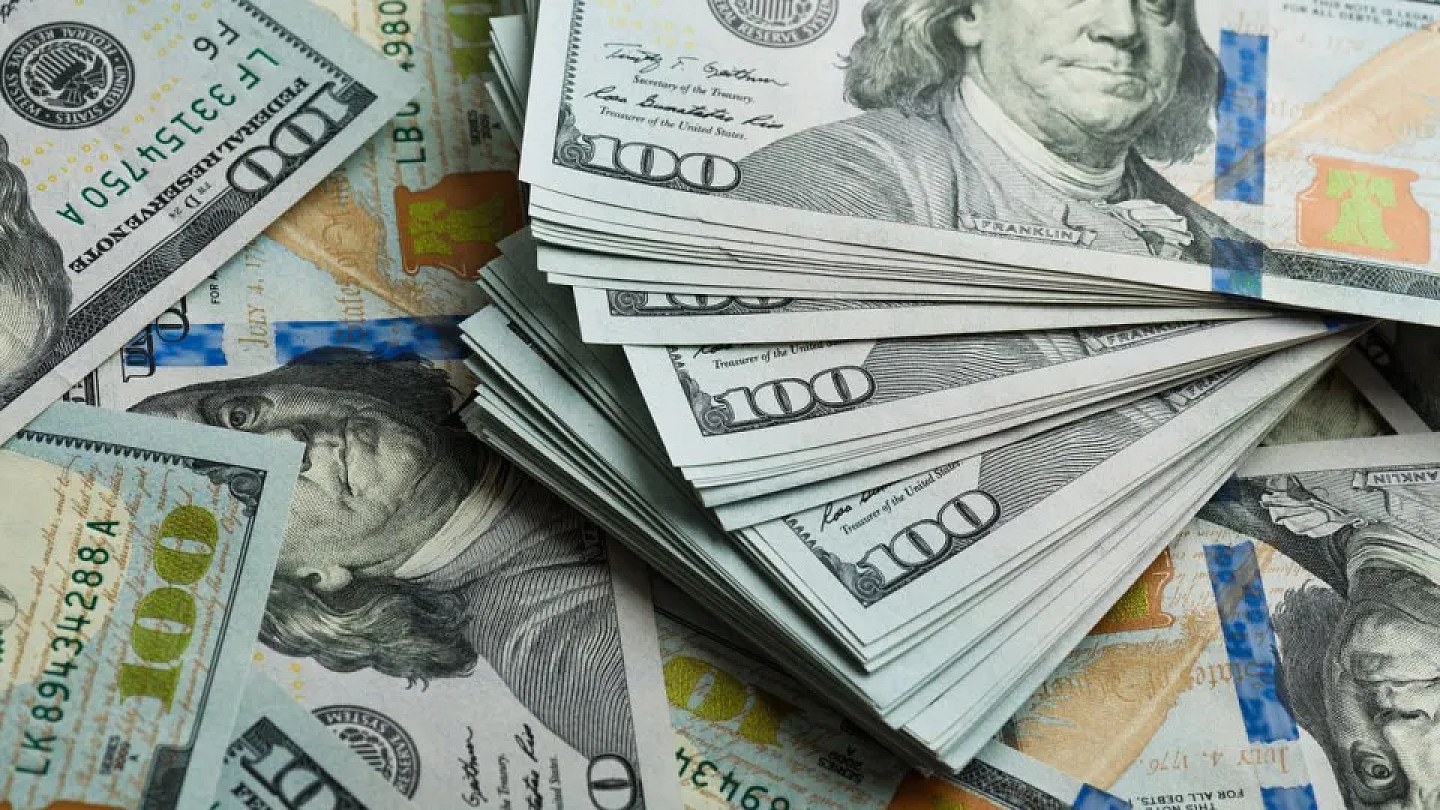
At around 2:46 pm, the US currency fell 0.17%, quoted at R$5.125, in a partial reversal of the increase recorded in the previous session (4), when it advanced 0.90%.
At the same time, the Stock Exchange rose 0.24%, to 178,392 points. Among the highlights of the session, Itaú shares rose 2.20%, quoted at R$43.04, after the bank announced recurring net profit of R$12.407 billion in the second quarter of this year.
GPA shares rose 10.90%, quoted at R$3.05, amid market expectations regarding the company's judicial recovery plan. The movement occurs even after the retailer reported a 9.6% drop in net revenue for the second quarter, to R$4.2 billion, and a consolidated net loss of R$252 million, an increase of 16.2% compared to the same period in 2025.
The financial market takes for granted another cut of 0.25 percentage points in the basic rate (Selic), to 14% per year this Wednesday. The projection of this percentage for interest rates was unanimous among 30 institutions consulted by Bloomberg.
With the reduction already priced in, analysts will turn their attention to the Copom (Monetary Policy Committee) justifications for cutting the Selic rate.
"There has already been discomfort among investors in the face of a previous communication from the Central Bank, interpreted by the market as a sign of continuation of the cycle of cuts in a still challenging environment. Therefore, the details of the statement will be followed very closely", says Leonel Oliveira Matos, market intelligence analyst at StoneX. For him, the expectation is that the Copom will avoid a definitive signal about the next steps, be it new cuts or maintaining the rate, "keeping options open".
On Tuesday, the IBGE (Brazilian Institute of Geography and Statistics) reported that industrial production fell 1.8% in June compared to May, more than the 0.8% decline projected by economists interviewed by Reuters. The result is the most recent suggesting a slowdown in economic activity in Brazil.
The data reinforces a deceleration trend observed in other activity and inflation indicators.
At the end of July, the July IPCA-15 (Extended National Consumer Price Index 15) showed a slowdown in the rise in prices in Brazil. Inflation measured by IPCA-15 slowed to 0.06%, compared to the median of 0.22% of economists consulted by Bloomberg.
Still in the domestic environment, investors reflect on the Genial/Quaest survey released earlier. The survey showed Lula ahead of Flávio Bolsonaro in the dispute for Planalto, but with a smaller advantage compared to the previous survey.
In the second round projection, Lula has 44% of voting intentions, against 39% for Flávio. 2,004 people were interviewed between July 31st and August 3rd, and the margin of error is 2 percentage points. In the previous survey, Lula had 45% and Flávio had 37%.
Analysts estimate that the senator's profile is more aligned with fiscal discipline than the current president, Lula. Members of the pre-candidate's economic team defend an initial fiscal adjustment equivalent to two percentage points of GDP (Gross Domestic Product) in the event of an electoral victory.
"The result can be interpreted by investors as a positive factor, considering the perception that a possible change in Executive command could open space for a more favorable fiscal agenda", states Leonel Oliveira Matos.
The day before, the dollar ended Tuesday's session with an increase of 0.84%, at R$5.130, with the price reflecting fear among investors of new US sanctions against Brazil.
With the market already closed, the USA announced late in the afternoon that it was revoking the visa of the Brazilian ambassador in Washington, Maria Luiza Ribeiro Viotti. The determination came about ten days after Itamaraty denied visas to American officials who would come to the country to question the elections.
A State Department spokesperson stated that new sanctions against Brazil are not ruled out. However, as this was the only sanction announced, there was relief among investors.
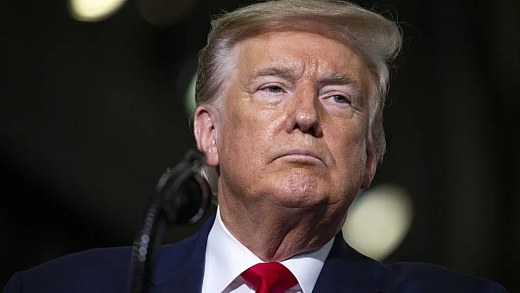
The session also follows negotiations between the United States and Iran in the Middle East. On Monday (3), US President Donald Trump said that negotiations between Washington and Tehran "are taking place". US Treasury Secretary Scott Bessent said something similar on Tuesday.
"We are in negotiations with the Iranians and I believe there is a chance that we will reach an agreement today or tomorrow to open the strait and move towards a more normalized position in this conflict," said Bessent, in an interview with CNBC.
The statements, despite contradicting Tehran's version, which denies there are ongoing negotiations with Washington, encourage investors.
The DXY index, which measures the performance of the US currency against six strong currencies, fell 0.19%.
US stock markets are not moving in a single direction. At around 2:49 pm, the S&P 500 and Dow Jones rose 0.01% and 0.92%, respectively, in addition to recording new intraday highs during the session. The fall in SpaceX shares put pressure on the Nasdaq, which fell 0.51%.
DI (Interbank Deposit) contract rates were falling this Wednesday, in relation to the previous day's adjustments.
At 10:23 am, the DI for January 2028 fell to 13.78%, a drop of 0.06 percentage points. At the long end of the curve, the DI for January 2035 fell to 14.33%, a drop of 0.08 percentage points.
Source: Noticias ao Minuto
Next recommended read
This story was originally published by Noticias ao Minuto. Visit the original publication for further details.
Open original publication