SÃO PAULO, SP (FOLHAPRESS) - The dollar is rising this Thursday (16), with investors paying attention to the announcement that the United States will impose an additional 25% tariff on some Brazilian products. The decision was released on Wednesday night (15) and ends the investigation conducted based on Section 301 of the US Trade Law, which began in July last year. The rates come into effect on July 22nd.
Dollar operates on the rise and the Stock Exchange retreats with repercussions of the 25% US rate on Brazil
SÃO PAULO, SP (FOLHAPRESS) - The dollar is rising this Thursday (16), with investors paying attention to the announcement that the United States will impose an additional 25% tariff on some Brazilian products. The...
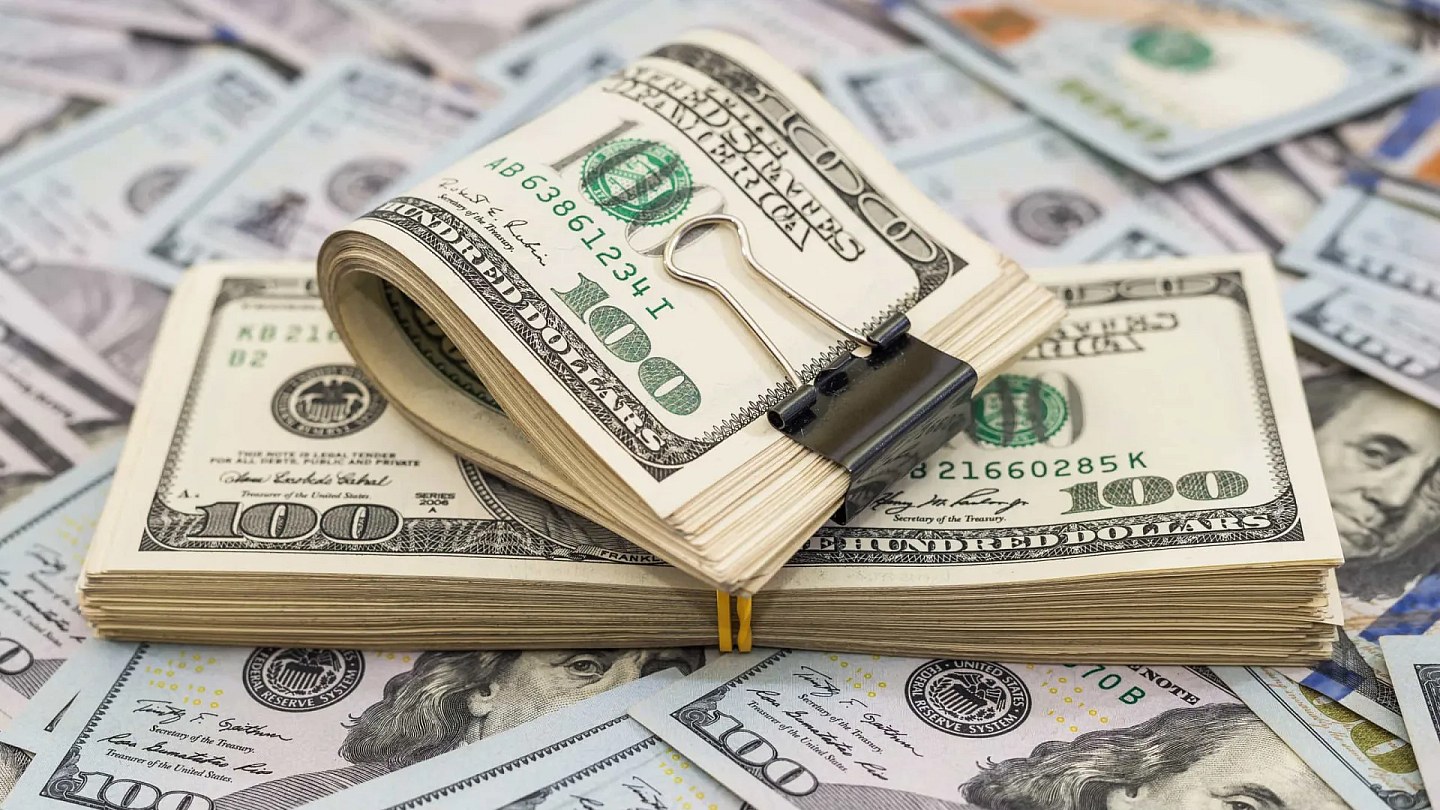
According to Fábio Astrauskas, economist and founder of Siegen Consultoria, despite the new pricing, the behavior of the American currency remains more dependent on developments related to the conflict involving Iran, especially negotiations and possible agreements around the Strait of Hormuz, which continue to influence the perception of risk in the markets.
At 4:03 pm, the dollar advanced 0.41%, quoted at R$5.099. Ibovespa fell 1.25%, to 173,807 points.
According to Rebecca Nossig, investment analyst at Nomad, one of the reasons why Ibovespa avoided a sharper drop is the performance of the financial sector, less exposed to foreign trade and benefiting from expectations surrounding monetary policy.
On Wednesday (15), the IBGE (Brazilian Institute of Geography and Statistics) reported that the volume of services fell 0.4% in May compared to April, after rising 1.1% in the previous month. The result reinforces the perception that the Central Bank may have room to resume cuts in the basic interest rate at future meetings.
In Brazil, confirmation of the additional 25% tariff was accompanied by a list of exceptions with around 2,100 items, including meat, coffee, oranges, orange juice and parts for aircraft manufacturing, products relevant to the Brazilian export agenda.
For João Daronco, an analyst at Suno Research, the Stock Exchange should not register a very intense movement throughout the day, as large companies tend to be little affected by the measure. According to him, some of the companies that could suffer more significant impacts were included in the list of exclusions.
Olívia Flôres de Brás, CEO of Magno Investimentos, says that segments such as clothing, footwear, ethanol and certain industrial products may face a loss of competitiveness, margin compression and the need to redirect production.
In the USA, this Thursday's economic agenda was marked by the release of indicators on consumption and the job market. Retail sales rose 0.2% in June, after rising 1.0% in May, data revised upwards, reported the Commerce Department's Census Bureau.
Also this Thursday, the number of new unemployment benefit claims fell by 8,000 in the week ended July 11, to 208,000, in a seasonally adjusted figure, indicating continued stability in the American labor market.
Olívia says that investors follow real estate market indicators, speeches by Federal Reserve officials (Fed, the US central bank) and a speech by President Donald Trump scheduled for 10pm (Brasília time).
Volatility in the Middle East and Trump's threats to resume attacks on Iran continue to pressure the oil market. This Thursday morning, a barrel of Brent was trading at around US$85, up 1.09%.
Also on Thursday, Iran said the Strait of Hormuz was an inviolable "red line" and warned it would attack American infrastructure in the Gulf region if Trump carries out his threat to bomb Iranian energy facilities.
On Wednesday (15), the United States carried out the fifth consecutive night of bombings and reestablished a naval blockade of Iranian ports. According to the White House, the offensive seeks to force the reopening of the Strait of Hormuz.
For Otávio Araújo, senior consultant at ZERO Markets Brasil, a possible ceasefire in the war is especially relevant for Brazil, as the government has signaled that, if a barrel of oil stabilizes close to US$80, emergency fuel subsidy measures could be withdrawn, which could help contain inflation.
The futures interest rate market opened the session with a rise in the curve, especially in longer maturities. At 2:08 pm, the DI (Interbank Deposit) rate for January 2028 was 13.900%, an increase of 0.04 percentage points. The contract for January 2035 advanced to 14.445%, an increase of 0.11 percentage points.
According to Gustavo Danilo Guimarães, a fixed income specialist, the market's main point of attention now is the Brazilian government's response to tariffs. Guimarães states that possible trade retaliation or the adoption of new measures to support the most affected sectors could increase the government's fiscal costs.
Read Also: Democratic Senator criticizes tariffs against Brazil and says the sanction could harm the USA
Source: Noticias ao Minuto - Ultima Hora
This story was originally published by Noticias ao Minuto - Ultima Hora. Visit the original publication for further details.
Open original publication