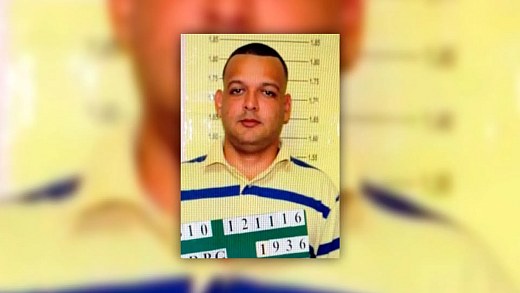
The 3rd Criminal Court of São Bernardo do Campo, in ABC São Paulo, sentenced ophthalmologist Paulo Barição to 40 years in prison, under a closed regime, on charges of causing the loss of vision in 21 patients during a group of cataract surgeries. According to the accusation, inadequate sterilization of surgical instruments caused widespread infection in the victims. There is an appeal.
Doctor accused of blinding 21 patients in cataract effort is sentenced to 40 years in prison
The 3rd Criminal Court of São Bernardo do Campo, in ABC São Paulo, sentenced ophthalmologist Paulo Barição to 40 years in prison, under a closed regime, on charges of causing the loss of vision in 21 patients during a...
In the process, the doctor denied having acted negligently and stated that he had been part of the team responsible for the task force for around a year and that, until then, he had already performed more than a thousand cataract surgeries without complications. He said that he delivered the instruments for sterilization to the municipal hospital the day before the procedure and that, on the morning of the surgeries, he helped set up the surgical center.
To Estadão, criminalist Luiz Flávio Borges D'Urso, the ophthalmologist's lawyer, stated that the conviction "is a big mistake" and informed that he will appeal the decision.
"More than one victim, in a hearing and after ten years, confirmed that to this day he hides at home, he does not have the courage to expose his face without his eyeball, removed as a result of the crime he suffered, with the defendant Paulo as the perpetrator", wrote judge André Luiz Rodrigo do Prado Norcia. "How can you explain to a victim who had his eyeball removed, causing him blindness, in addition to suffering, that the crime committed in his case will not result in any punishment for the perpetrator?"
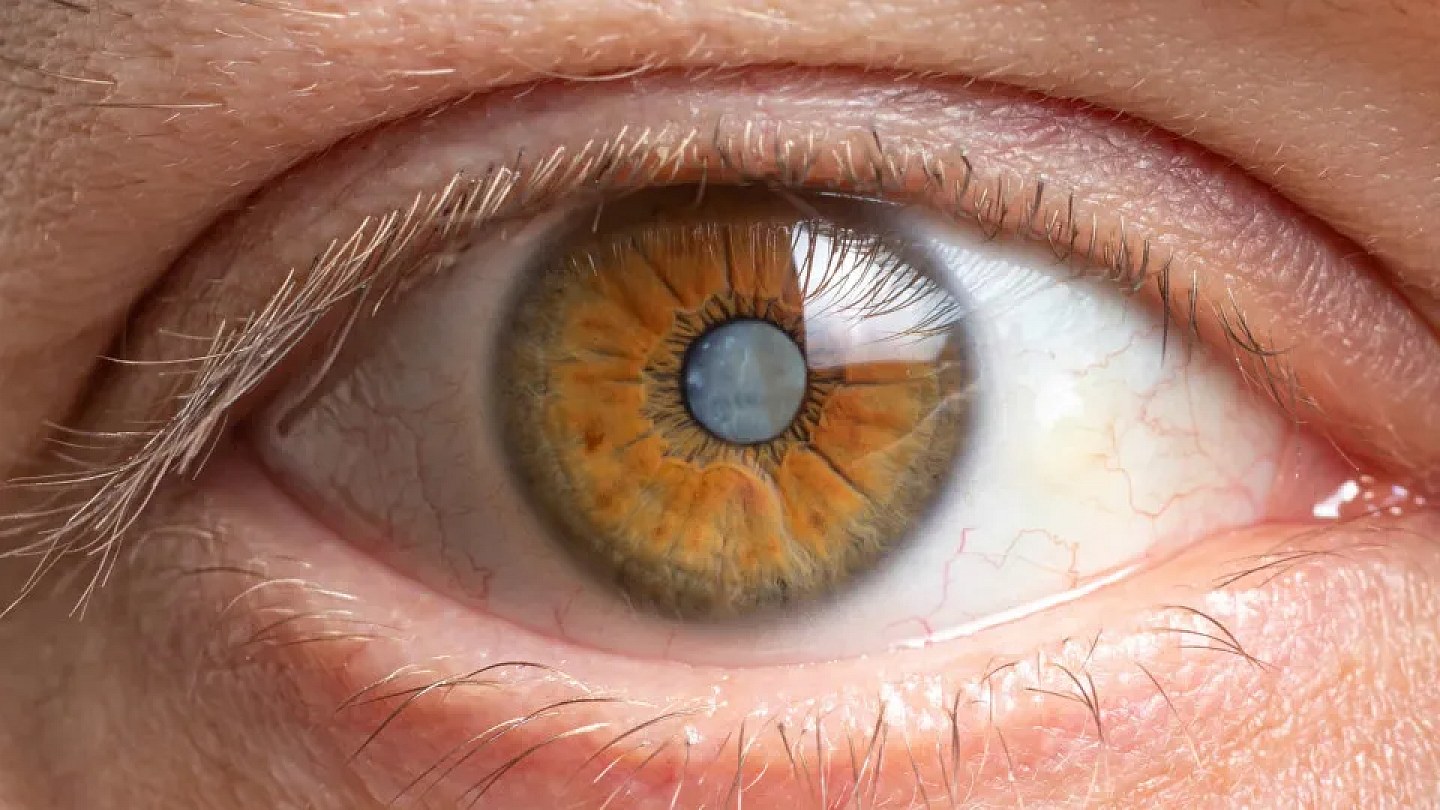
According to the Public Ministry, Paulo Barição performed the surgeries on January 30, 2016 with inadequately sterilized instruments. The expert concluded that the 21 victims were infected by the same bacteria, Pseudomonas aeruginosa. As a result, 13 patients lost part of their vision and another eight became completely blind. Only two of the victims were not elderly.
A witness, an ophthalmologist called by the city of São Bernardo do Campo to treat patients, stated that he found a 'very serious condition' days after the procedures performed by Barição.
According to the witness, most of the victims had to be taken to specialized hospitals in the capital of São Paulo. He declared that cataract surgery joint efforts are safe procedures when they follow strict quality protocols, but stated that, in that case, there was "undoubtedly" a failure to sterilize the instruments.
Another witness, an infectious disease doctor, stated that the investigation found several flaws in biosafety protocols. Among them, the use of only one surgical table for successive procedures, the absence of changing gowns between patients and the use of only two boxes of surgical instruments to serve the entire task force.
According to the infectious disease specialist, it would be correct for each patient to undergo surgery with an exclusive sterilized set.
She explained that the instruments used only underwent disinfection, when the protocol required complete sterilization, a process that would take approximately one hour to complete.
The doctor also reported that a scan carried out later in the surgical center found no traces of the bacteria in the water, in the air conditioning system or in other hospital structures.
According to the witness, the infection stopped occurring only after the twenty-second procedure, when all the materials started to be replaced.
Figures, continuous suffering and intense pain: the victims’ accounts
Paulo Barição's patients operated on that morning of January 30 reported "permanent sequelae and intense physical suffering".
J.S., 66 years old at the time, stated that he lost vision in one of his eyes, suffered intense pain after surgery and had to undergo a new procedure to try to repair the damage.
E.B., also 66, said he underwent cataract surgery, lost his vision and returned to the hospital the next day, when he found four other people showing the same symptoms. According to him, Barição stated that he did not know the cause of the complications.
M.S., 64 years old, reported that she started to feel sick on the night of the surgery. Referred to the hospital again, she had to undergo three more operations. Today, according to the statement, he can only see figures with the affected eye and stated that he felt intense pain throughout the treatment.
M.F., aged 63, remained hospitalized for 15 days. She stated that she was unaware that she would undergo a group of surgeries and reported that she completely lost the affected eye, being forced to use an ocular prosthesis.
According to the victim, the prosthesis causes constant inflammation, itching and continuous suffering, making it difficult to adapt. He also described the injections given directly into the eye during treatment as extremely painful.
Same apron and instruments 'immersed in liquid', says victim
M.F. stated that the apron used in the surgery had already been used previously and that the instruments remained immersed in liquid inside two containers. When he returned to the emergency room, he found several other people waiting for treatment with the same complaints of pain.
According to Paulo Barição, all the material remained sealed until the beginning of the procedures and there was enough to serve all patients. He stated that, at the end of each surgery, he performed asepsis with iodine, kept the instruments immersed in the antiseptic solution and used a new set of materials for the next patient. He also maintained that disposable gloves and gowns were changed between surgeries.
Barição reported that, the day after the joint effort, he began receiving calls from colleagues reporting that patients were returning to the hospital with complications. He said he canceled his schedule to follow the case, tried to contact the patients and, faced with the lack of support, called a fellow doctor to give injections to the eyes of some of them.
The doctor's version was challenged by expert reports and testimony.
Source: Noticias ao Minuto - Ultima Hora
This story was originally published by Noticias ao Minuto - Ultima Hora. Visit the original publication for further details.
Open original publication