SÃO PAULO, SP (FOLHAPRESS) - The Stock Exchange registered a sharp drop this Friday (24), pressured by the decline in oil prices, which devalued the shares of Brazilian oil companies amid the war in the Middle East.
Stock exchange and dollar retreat with oil and US tariffs on Brazil on the radar
SÃO PAULO, SP (FOLHAPRESS) - The Stock Exchange registered a sharp drop this Friday (24), pressured by the decline in oil prices, which devalued the shares of Brazilian oil companies amid the war in the Middle East....
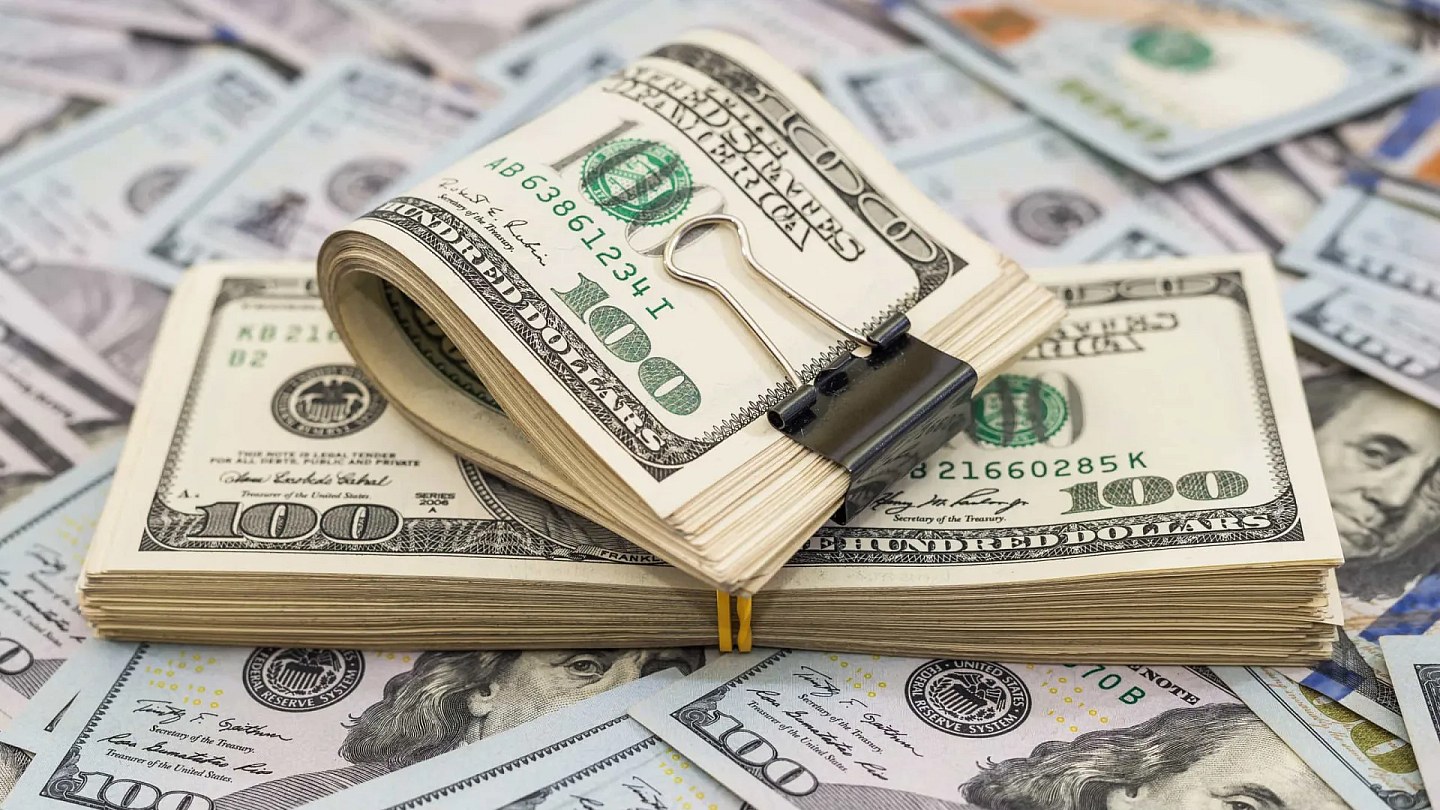
During the trading session, investors also evaluate the impact of new tariffs applied to Brazil of 12.5% due to alleged failures in combating the import of products made using forced labor.
At 12pm, Ibovespa, the Brazilian stock market reference index, fell 1.04%, to 174,876 points. At the same time, the dollar fell 0.46%, to R$5.060.
This Friday, the atmosphere is one of greater global caution in the face of the war in the Middle East and US tariffs on Brazil.
US missiles struck targets across Iran, reaching as far as the Caspian Sea coast, on Friday, after Donald Trump said he was "considering a massive attack, bigger than ever" against the theocracy.
The offensive is a response to attacks by the Houthis, a militant group in Yemen allied with Iran, on vessels trying to reach Saudi Arabia via the Red Sea. The route became strategic for the flow of oil after the start of the conflict in the Persian Gulf.
The worsening of the conflict increases investor caution and reduces appetite for emerging market assets, which puts pressure on the Stock Exchange's performance.
The war also influences oil prices, although prices will undergo an adjustment this Friday. The barrel of Brent, the global commodity reference, fell during the trading session after registering a strong increase on Thursday.
At around 11 am, Brent was trading at US$96.29, down 4.37%. The decline caused the shares of Petrobras, Prio and PetroRecôncavo to fall by up to 2.29% at the beginning of this afternoon. On Thursday, a barrel reached US$101.99, the highest value since May 20, and led to a rise in shares.
The drop in prices also had an impact on the futures interest rate market. The DI (Interbank Deposit) rate for January 2028 fell to 14.255%, a decrease of 11 basis points compared to the 14.370% adjusted in the previous session.
DI rates reflect market expectations for the future trajectory of Selic and CDI, a reference for investment remuneration.
The dollar also undergoes adjustment in the session after rising 0.62%, to R$5.084, the day before. The DXY index, which measures the performance of the US currency against a basket of six strong currencies, retreats 0.10% after advancing 0.30% on Thursday.
For Rebecca Nossig, equity strategist at Nomad, the conflict in the Middle East strengthens assets considered security. Since the start of the conflict in February, the DXY has appreciated by more than 3%.
"In scenarios of uncertainty, there is a movement of capital flight. In this case, investors tend to liquidate their positions in emerging markets, such as Brazil, and migrate their resources to the American market", he states.
The US market also attracts investors through Treasuries, the country's public debt securities, considered one of the safest assets in the world.
In the American stock market, the Nasdaq rose 0.17%, while the S&P 500 and the Dow Jones rose 0.63% and 0.73%, respectively.
US tariff policy also remains on the radar of financial market analysts.
On Thursday, the US government decided to apply a 12.5% tariff to Brazil based on Section 301 of the Trade Law, in an investigation into failures to combat the import of products made with forced labor. The measure came into effect at 1:01 am this Friday (Brasília time).
The rate is in addition to the 25%, announced last week (21), on several Brazilian products due to the country's allegedly unfair commercial practices.
"Although the important part of the export agenda remained outside the announced measures, the market starts to incorporate an additional risk premium, especially given the lack of concrete progress in negotiations between the two countries", says Marcio Riauba, head of StoneX's operations desk.
The list of Brazilian products exempt from this new tariff has more than 2,100 items and is, for the most part, identical to what was excluded from the 25% surcharge. More than 2,000 products appear in both, including oil, meats, orange juice and instant coffee.
Another 60 US trading partners were also affected, with rates ranging from 10% to 12.5%. Together, they account for 99.4% of the country's imports.
The tariffs were applied under Section 301, which authorizes the Office of the United States Trade Representative to investigate practices deemed harmful to U.S. commerce and to take retaliatory measures, tariff or otherwise.
Read Also: Family members should not withdraw INSS benefits after the death of the insured person; see what to do
Source: Noticias ao Minuto - Economia
This story was originally published by Noticias ao Minuto - Economia. Visit the original publication for further details.
Open original publication