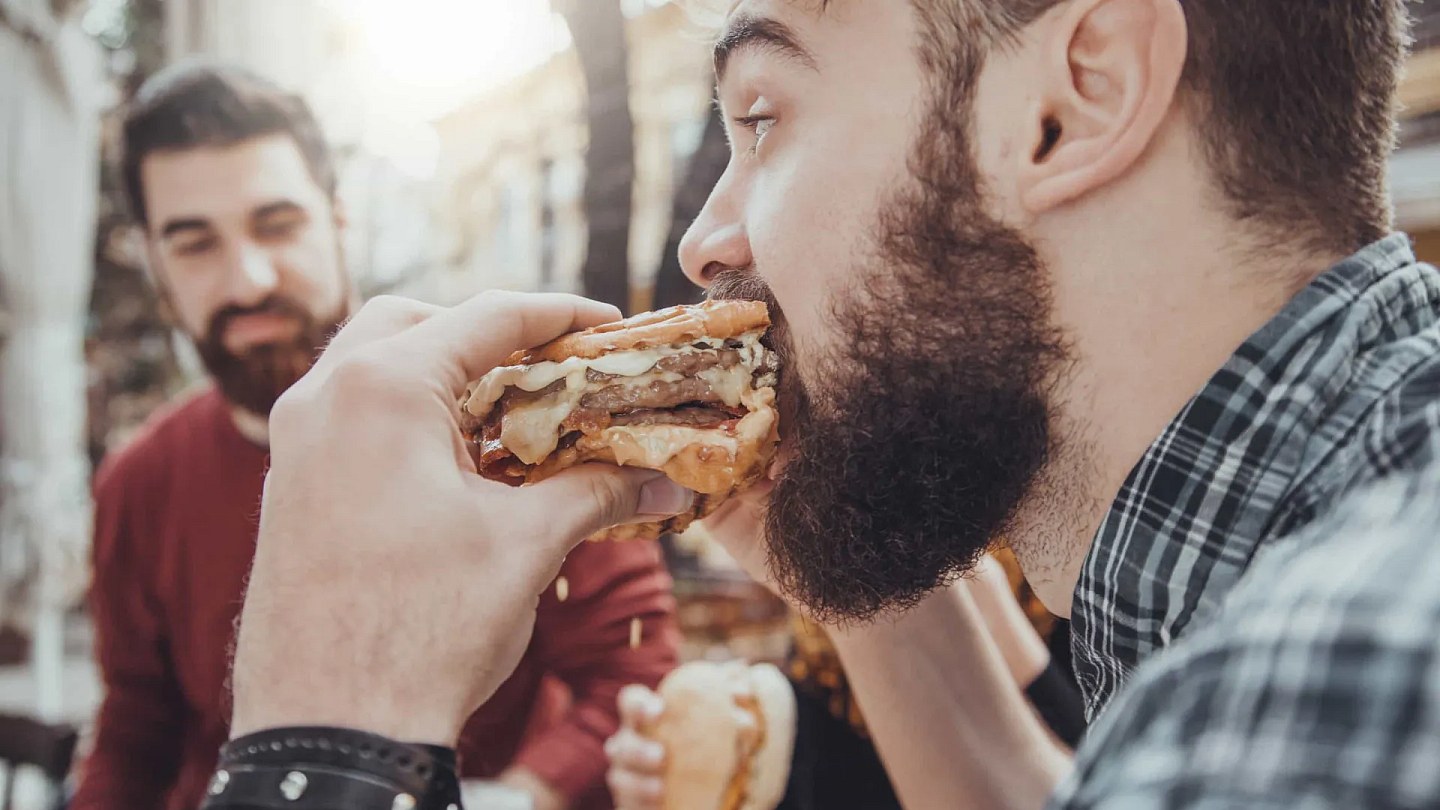
Travel, get-togethers, World Cup games, barbecues, snacks and alcoholic drinks. During periods of celebrations and holidays, it is common to break out of your routine and overeat. Then comes the bloating, the feeling of heaviness and the promise to compensate for everything with a strict diet. Nutrition professor at the Centro Universitário de Brasília (CEUB) Pollyana Ayub warns that diets, prolonged fasts and severe restrictions are not the best solution. According to her, a few days of excess are unlikely to be responsible for significant changes in weight or for compromising the weight loss process.
Did you overeat during your vacation? See how to get back into your routine!
Travel, get-togethers, World Cup games, barbecues, snacks and alcoholic drinks. During periods of celebrations and holidays, it is common to break out of your routine and overeat. Then comes the bloating, the feeling of...
"One meal, a weekend or a few days out of routine do not determine the success or failure of a healthy diet. What makes a difference is the set of habits maintained over time." The problem arises when excesses become part of the routine: "The body can deal well with occasional situations. The concern is when the unbalanced pattern lasts for weeks or months, generating weight gain and other impacts on health", reveals Ayub.
The weight on the scale can be deceiving
After periods of overeating, many people notice weight gain and believe they have gained fat quickly. In practice, this is not always what happens. According to the nutritionist, high consumption of foods rich in sodium, sugar and alcoholic beverages favors fluid retention, causing swelling and temporary changes in weight. "Often, this increase is more related to water retention than to actual fat gain. Therefore, it is not recommended to make hasty decisions or adopt radical measures", says Pollyana Ayub.
No radical compensations
Detox juices, liquid diets, prolonged fasts and very restrictive eating plans often gain popularity after periods of overeating. But the expert warns that these strategies do not have scientific support to promote a supposed "cleansing" of the organism. "Our body already has natural detoxification mechanisms carried out mainly by the liver, kidneys, intestine and lungs. There is no food or diet capable of accelerating this process in a miraculous way", he highlights.
No starving to make up for it
Another common attitude is to try to compensate for overeating by going hours without eating or drastically cutting calories. For Pollyana, this strategy tends to generate more problems than solutions. "Prolonged fasts and very restrictive diets can increase hunger, encourage episodes of binge eating and make it difficult to maintain results in the long term", he says. The recommendation is to gradually return to your routine, prioritizing a diet based on fresh and minimally processed foods.
What to do after overeating
The CEUB specialist’s guidelines include:
Increase water consumption throughout the day;
Prioritize fruits, vegetables and whole grains;
Consume protein sources at every meal;
Reduce the consumption of alcoholic beverages;
Avoid ultra-processed foods, such as soft drinks, snacks and sausages;
Resume regular physical activity;
Maintain regular meal times;
Sleep well.
According to Ayub, a simple strategy is to create balanced meals, filling half the plate with vegetables, a quarter with proteins and the rest with good quality carbohydrates, such as rice, beans, potatoes, cassava or grains.
Sleep and exercise also count
In addition to diet, other factors play an important role in the body's recovery. "Inadequate sleep interferes with hormones related to hunger and satiety, increasing the desire for higher-calorie foods. Physical activity helps regulate metabolism, improves mood and contributes to controlling body weight", explains Ayub. The recommendation is to gradually resume a routine compatible with each person's physical condition.
When to seek help
If the feeling of loss of control over eating is frequent or if there is difficulty in resuming healthy habits, it is recommended to seek professional guidance. "Each person has different needs, objectives and health conditions. Therefore, nutritional monitoring can help to build more appropriate and sustainable strategies", he advises. The CEUB specialist reinforces that a holiday, a trip or a series of celebrations do not define anyone's health. "The most important thing is to remember that health is built by choices made most of the time, and not by one or another exceptional moment", he concludes.
Read Also: Can cold days affect your blood pressure?
Source: Noticias ao Minuto - Ultima Hora
This story was originally published by Noticias ao Minuto - Ultima Hora. Visit the original publication for further details.
Open original publication