Covid continues to circulate throughout the year and can present symptoms similar to those of other diseases. Therefore, doctors recommend paying attention to signs such as fever, chills, difficulty breathing, sore throat, nasal congestion, tiredness, headache, muscle pain and loss of taste or smell.
Covid symptoms can be confused with allergies and viruses
Covid continues to circulate throughout the year and can present symptoms similar to those of other diseases. Therefore, doctors recommend paying attention to signs such as fever, chills, difficulty breathing, sore...
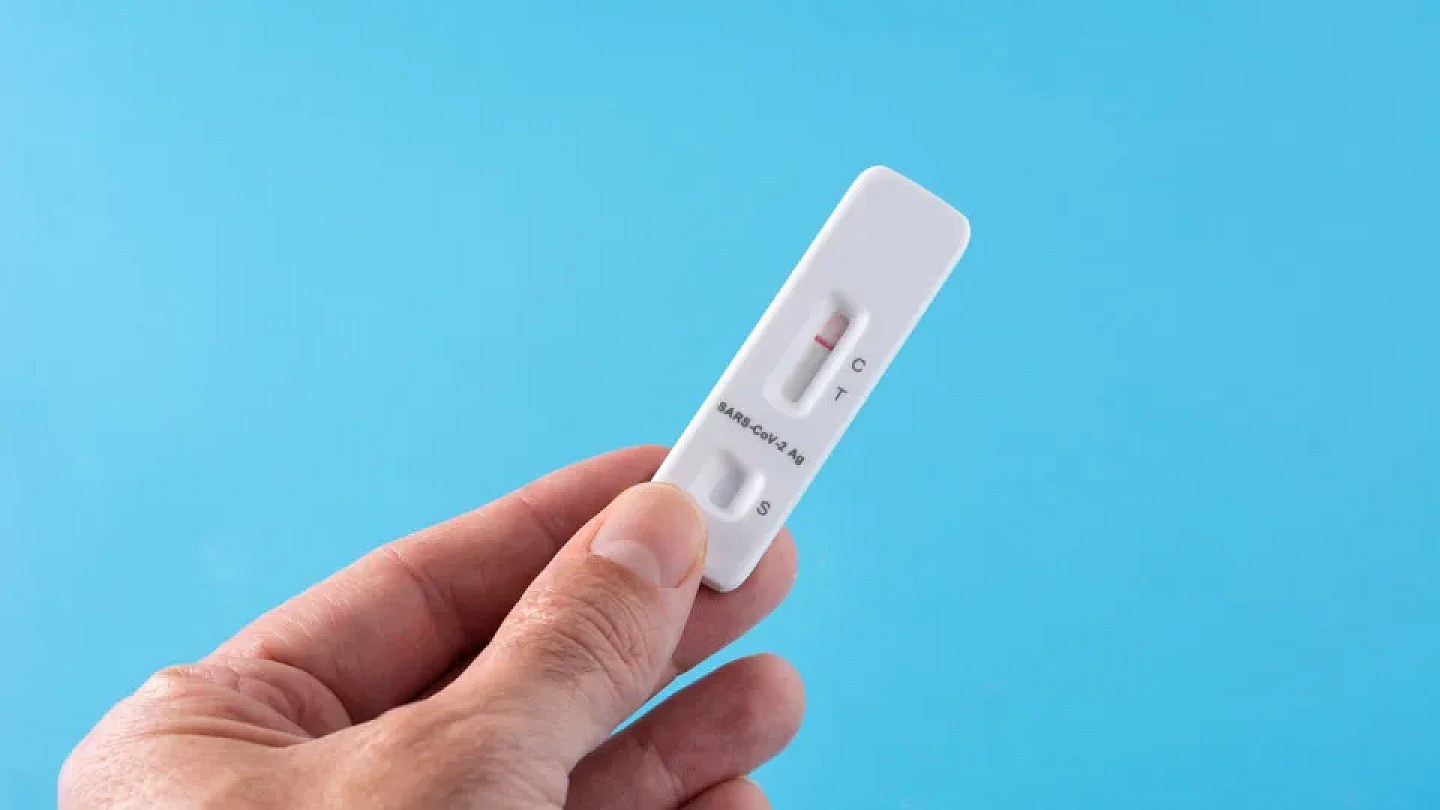
In an interview with Parade magazine, doctor Gurinder Singh Sidhu stated that many people still underestimate the possibility of contracting the virus at certain times of the year.
According to him, mild symptoms can be attributed to a common virus, tiredness or changes in routine, which leads some patients to continue as normal without taking the test.
"People may attribute symptoms to things like jet lag or a cold and carry on as if nothing is happening, without getting tested for Covid or seeing a doctor. This can cause them to transmit the virus without realizing it," he explained.
Doctor William Schaffner highlighted that symptoms vary from person to person, but some remain common.
“Common symptoms of Covid continue to include fever or chills, shortness of breath or difficulty breathing, sore throat, nasal congestion, fatigue, headache, muscle or body aches and loss of taste or smell,” he said.
Nausea, diarrhea and other gastrointestinal problems may also appear in some cases. Cough, sore throat, nasal congestion and headache can be confused with allergies or milder respiratory infections.
Given this overlap of symptoms, the recommendation is to carry out the test whenever there is suspicion, especially after contact with an infected person or when the condition worsens.
Schaffner also reinforced that vaccination remains one of the main ways to reduce the risk of serious illness. Wearing a mask in very crowded or poorly ventilated places can also help reduce transmission.
Maintaining an adequate sleep routine, controlling stress, taking care of your diet and avoiding close contact with other people during the period of symptoms are other recommended measures.
People at higher risk of developing severe forms of the disease, including those over 50 years of age and patients with pre-existing health conditions, should seek medical attention at the onset of symptoms.
“It is important to seek care as soon as possible rather than waiting for symptoms to worsen,” Sidhu said.
Dark circles: find out the main causes and how to alleviate the problem
Genetics, aging, allergies, sun exposure and everyday habits can also darken the area under the eyes. Expert explains why identifying the origin of dark circles is essential to define the most appropriate care and treatment
Source: Noticias ao Minuto
Next recommended read
This story was originally published by Noticias ao Minuto. Visit the original publication for further details.
Open original publication