BEIJING, CHINA (FOLHAPRESS) - China is preparing for the arrival of Typhoon Bavi, which is expected to hit the country on Saturday morning (11), Brasília time, while it is still recovering from the passage of Typhoon Maysak, which left at least 39 dead and 9 missing.
China awaits arrival of typhoon while still rescuing victims of the latest storm
BEIJING, CHINA (FOLHAPRESS) - China is preparing for the arrival of Typhoon Bavi, which is expected to hit the country on Saturday morning (11), Brasília time, while it is still recovering from the passage of Typhoon...
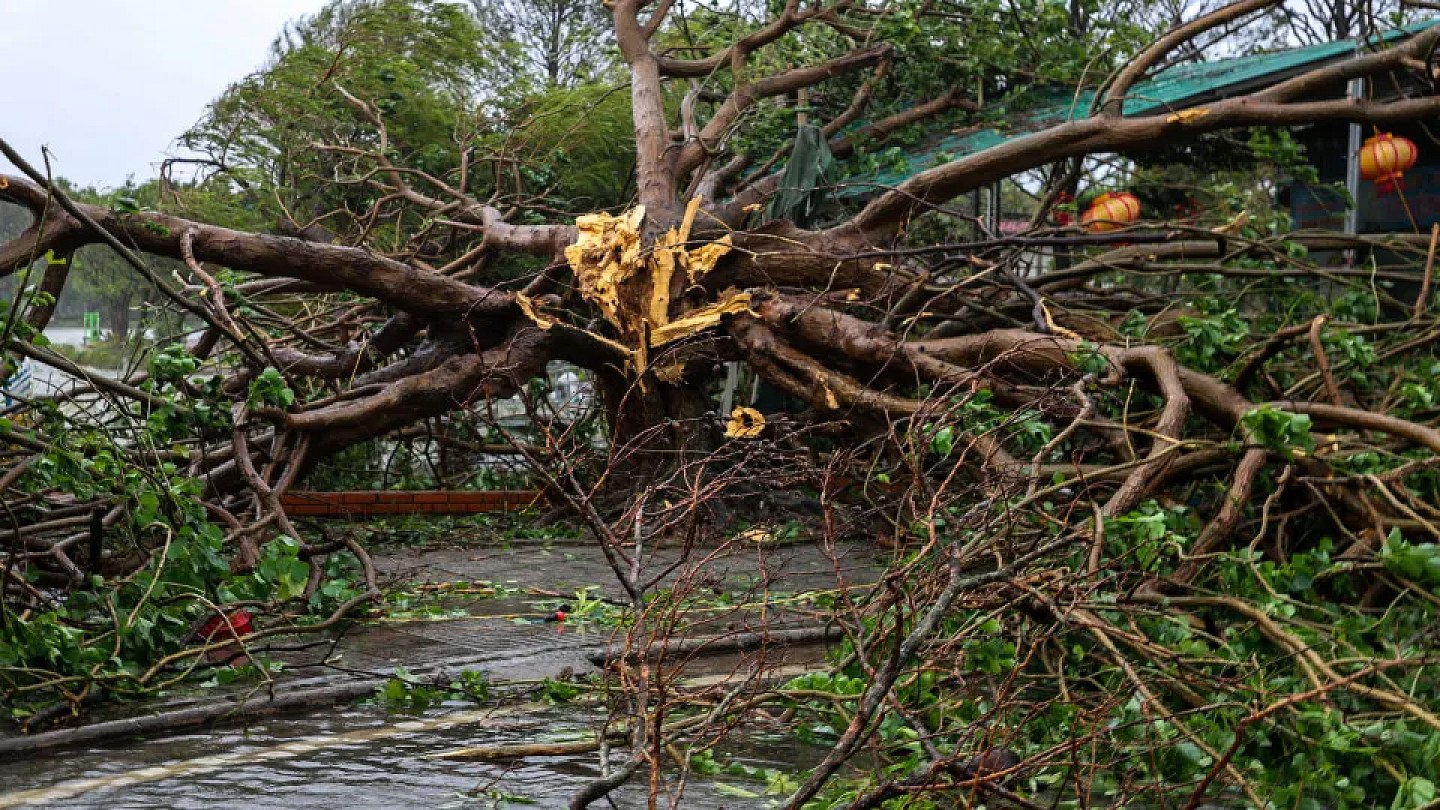

The National Observatory of China has placed the storm approaching the country on orange alert and is expected to hit the eastern region with heavy rain and winds. The typhoon is also expected to hit Taiwan.
Cities in the region are already preparing emergency responses, such as improving warning systems and evacuating people from risk areas. Until the early hours of Thursday (9), around 17 thousand people had been evacuated throughout the province of Zhejiang, which is expected to be one of the most affected. Nearby areas such as Beijing and Tianjin are also bracing for heavy rain forecast for the weekend.
Beijing has already sent around 50,000 items of humanitarian aid to the provinces of Zhejiang and Fujian, anticipating the damage that could be caused by Typhoon Bavi. Items include folding beds, summer blankets and family emergency kits to support residents in evacuation.
According to state media Xinhua, it will be the second typhoon to hit China this year - both about a week apart. The last one, which arrived in Chinese territory over the weekend via the island of Hainan, in the south of the country, lost strength upon reaching the mainland, but added to the volume of rain already predicted, causing floods, with the Guangxi region
Chinese leader Xi Jinping spoke about the need to make every effort to "organize rescue and relief, treat the injured and resettle affected people, minimizing casualties and preventing secondary disasters," according to Xinhua.
Of the 39 deaths, 26 were caused by the collapse of the Liulan dam in Guangxi. Local authorities say they are still working to identify the bodies and that there may be an overlap between the number of dead and missing, as it is not yet known who all the victims are.
Scenes published by the state press show flooding, with the volume of water reaching the first floor of houses and buildings, reaching more than 3 meters in the town of Longshan, also in Guangxi.
Residents were rescued with lifeboats and boats and relocated to shelters. Videos also show firefighters using their own shoulders as ladders to remove residents from higher floors. Others, stranded by the floods, received help by helicopter, which dropped food and other basic necessities onto the roofs of houses and buildings.
A military ferry bridge, with capacity for around 500 people, also came into action in the rescue efforts. It is a modular system that opens and transforms into a transport ferry, often used as a floating bridge when roads are closed.
The device was used to evacuate students and teachers who were trapped inside an educational institution in the city of Guigang, also in Guangxi, according to state media.
At the same time, a tornado in Hubei, on Monday (6), left 11 dead and one missing. Videos posted on social media showed the wind funnel passing through the region and leaving a trail of destruction. Residential areas, main and secondary roads, factories and logistics parks were affected.
Read Also: Passenger sucked out of window on Ryanair flight
Source:
Noticias ao Minuto - Ultima Hora