CARACAS, VENEZUELA (FOLHAPRESS) - At first glance, Caracas, the capital of Venezuela located among the mountains and transformed into a metropolis in the 1950s, operates normally. There is no shortage. Transport and commerce operate as before. The internet signal has been restored.
Caracas is divided between normality and lives ruined by earthquake
CARACAS, VENEZUELA (FOLHAPRESS) - At first glance, Caracas, the capital of Venezuela located among the mountains and transformed into a metropolis in the 1950s, operates normally. There is no shortage. Transport and...
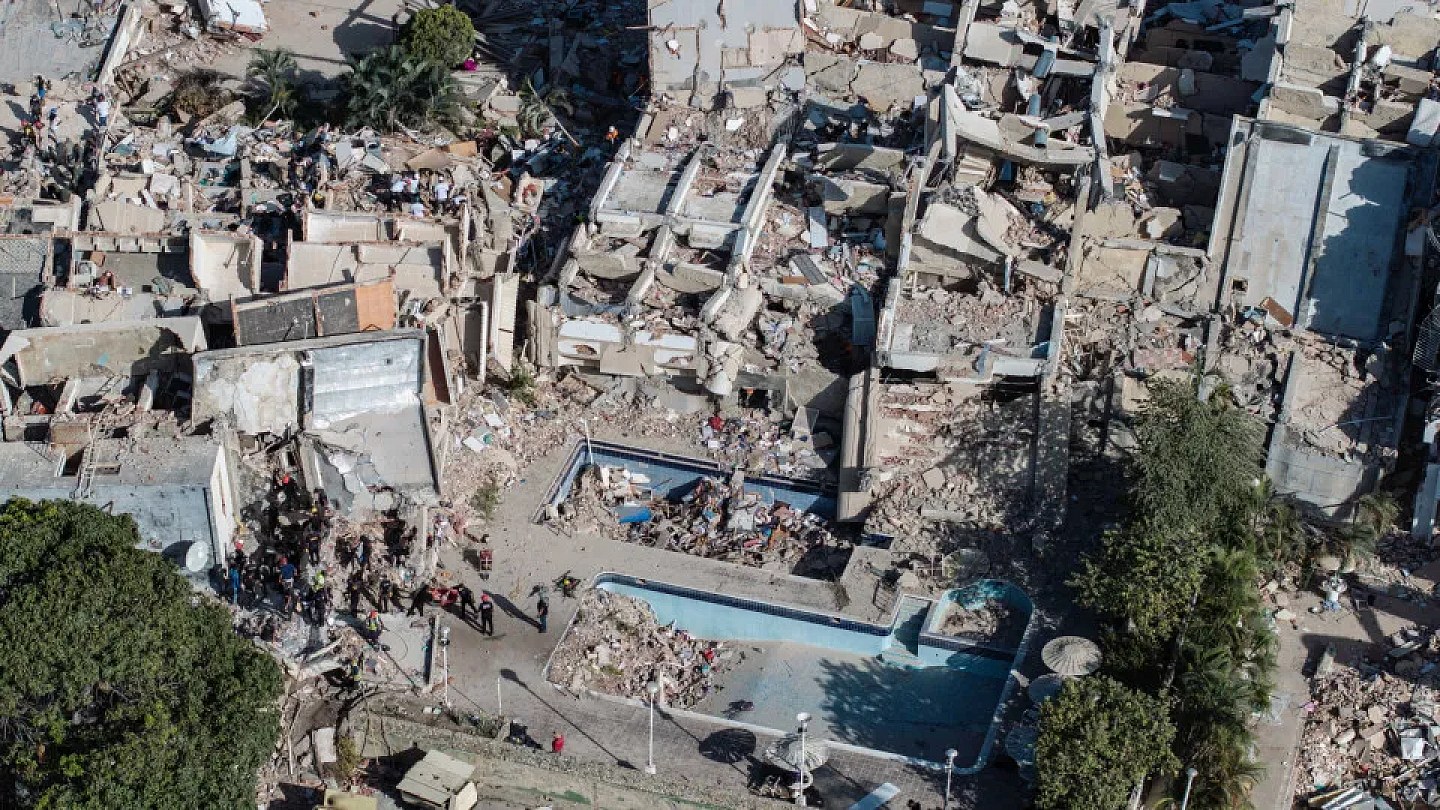
But there are points where the brutal impact of the earthquakes that hit the country on the 24th are visible, and the lives impacted by the tragedy occupy the capital. There are thousands of people displaced by the tremors living in parks and on the streets.
The sign says: camping. But the camp in the extensive Parque del Este, covering 82 hectares and designed by Brazilian artist and landscaper Roberto Burle Marx, became a shelter for those who lost their homes or part of them in Caracas.
Just this Friday (3), around 2,000 people, including 300 children and teenagers, still lived there. They received food, clothing and health care. There is a mobile clinic providing a variety of services and exams - including ophthalmology, for those who lost their glasses in the earthquakes.
What there is not is a date for returning to normality. "What we need now is a house," says Kimberlly Paola Torres López, 19, from the Caraquena region of El Junquito, as she cradles baby Valentina, the daughter of a woman who is living in the tent next door.
The walls of Kimberlly's house collapsed. She, her 8-month-old baby and her mother managed to get out in time. "They've already collected all our data, but we still don't know anything."
Families were displaced by the impact of the earthquakes in Caracas and rushed to the park, where they were given tents to live in. Many have been there for nine days. Others took a while to arrive and went to Parque del Este after hearing through word of mouth that there were families living there.
The most affected area of the Venezuelan capital was the Chacao region, especially the upper middle class neighborhoods of Los Palos Grandes and Altamira, areas of greatest seismic activity. Three buildings collapsed. At least 62 people died in the region, and 28 were rescued alive, according to local authorities.
The international aid brigades sent to the country with rescuers (such as those from Brazil, Chile, El Salvador, Costa Rica and dozens of other countries) do not operate in the capital, where the work is carried out by local teams, given the lower volume of destruction. These teams are concentrated in La Guaira.
It's an impact scenario, of course, but very far from that found in La Guaira, the "Caraqueños beach", the region most affected by the earthquakes. There, the death toll is in the thousands; the number of missing people, tens of thousands. The most up-to-date data at national level records 2,645 deaths.
Posters of the missing, even those from La Guaira, appear on some of the walls of Caracas. Family members paste photos with their contact numbers or even the identity cards of the missing, in case they are identified alive in one of Caracas' parks.
People keep arriving to put up more search posters on the so-called “Wall of Hope”. Since the day after the earthquake, however, none of the people searched for in that mural have been found, says the person responsible for dealing with the press there.
Many there in the park are children. And the issue of childhood has aroused concern. The regime led by Delcy Rodríguez does not say how many of the missing are children, nor does it tell the reporter how many minors are orphaned after the earthquakes, even though it says this is a low number.
The report was informed that, in Caracas alone, four minors were in State custody after having lost their direct guardians in the earthquakes and had not yet been reunited with any other family member. This number, however, tends to be much higher in La Guaira, where thousands are still being searched for under the rubble. But the figure is unknown.
In the capital, orphanages are organizing themselves to welcome these children, even though they have not yet been informed of how many there are and where they are.
Some were repressed by the dictatorship for running online campaigns to ask for donations that would allow them to buy more mattresses and other items needed by orphans. Others were reprimanded for campaigning to find children who were supposedly rescued from the rubble but who were never returned to their parents.
Official statistics say that there are 15,000 homeless people in the country; the UN estimated that there are more than 50 thousand. In addition to those who actually saw their homes collapse, however, there are those who had the structure of their homes compromised, such as deep cracks, and fear returning to their properties.
So far there have been more than 800 aftershocks of the twin earthquakes of the 24th, none of them with intensity similar to those tremors. But aftershocks scare people. The impact, not only physical and financial, but also psychological, has no end date yet.
Read Also: Share of Brazilians who support punishing teenage offenders as adults reaches 70%, shows Datafolha
Source: Noticias ao Minuto - Ultima Hora
This story was originally published by Noticias ao Minuto - Ultima Hora. Visit the original publication for further details.
Open original publication

