(FOLHAPRESS) - Researchers from the EcoShark Project, at UFRJ (Federal University of Rio de Janeiro), identified the presence of the antidepressant sertraline in the brains of hammerhead sharks caught off the coast of Rio de Janeiro.
Biologists find antidepressant in the brains of sharks off the coast of RJ
(FOLHAPRESS) - Researchers from the EcoShark Project, at UFRJ (Federal University of Rio de Janeiro), identified the presence of the antidepressant sertraline in the brains of hammerhead sharks caught off the coast of...
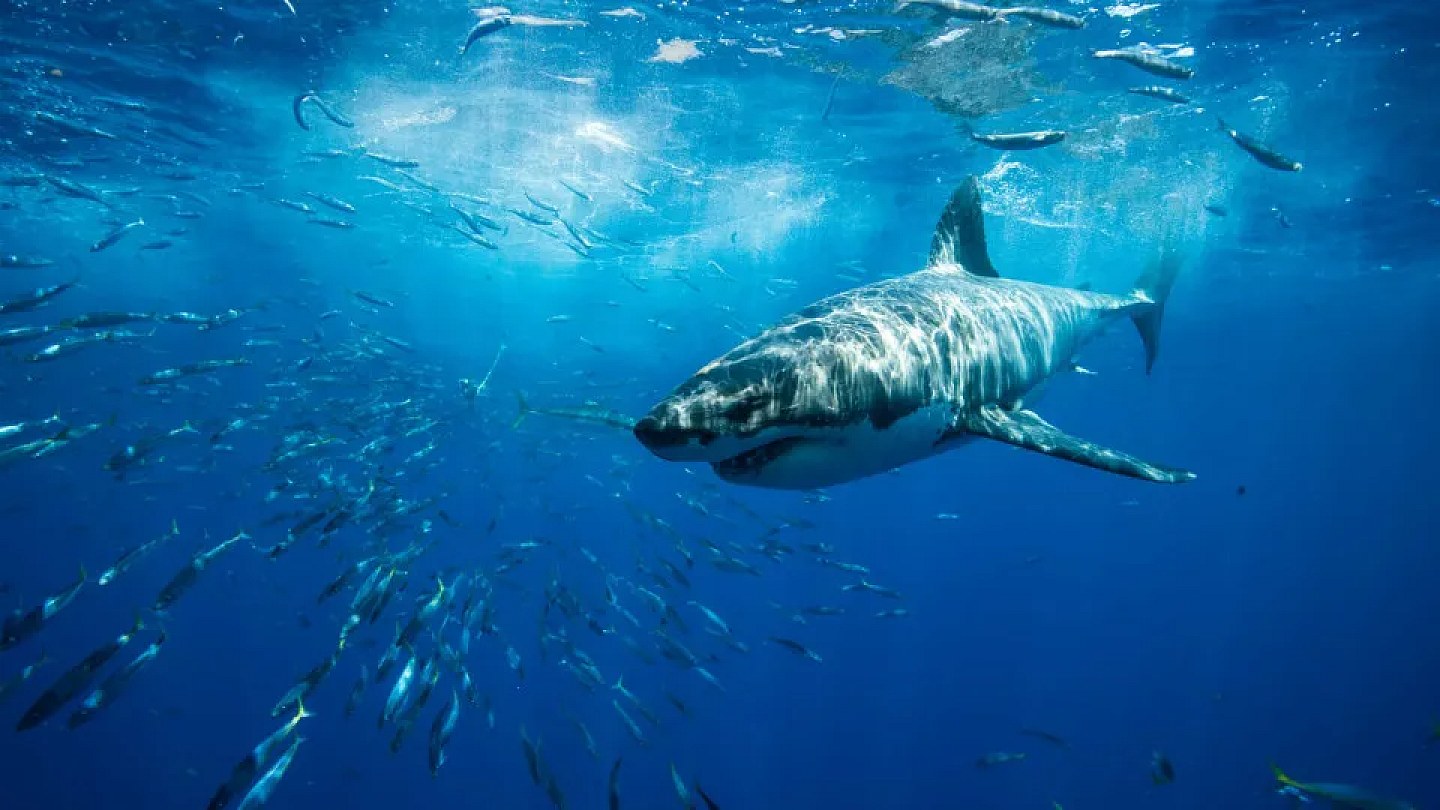
According to the research coordinator, biologist Mariana Alonso, this is the first record of its kind in Brazil and one of the few described in the world. The find raises awareness about the contamination of the oceans by pharmaceutical residues and their possible impacts on marine species threatened with extinction.
The results have not yet been peer-reviewed. According to the professor, the article should be submitted for publication in a scientific journal by the end of this month.
The team analyzed 20 hammerhead sharks of two species - the scalloped hammerhead shark (Sphyrna lewini) and the smooth hammerhead shark (Sphyrna zygaena) - accidentally captured by fishermen partnering with the project in points on the coast of Rio de Janeiro, such as Copacabana, Barra da Tijuca, Recreio and Guaratiba.
Different tissues and organs were examined, including the liver, muscle, gills, brain and the ampullae of Lorenzini, sensory structures located in the head of sharks. The work took around three years between collecting the animals, laboratory analyzes and data interpretation.
"Normally, the liver is the organ where we find most contaminants. This time, sertraline appeared practically only in the brain. That's what caught our attention", says Mariana Alonso.
According to the biologist, sertraline was detected in most of the sharks analyzed. In some specimens, the antidepressant was not detected, explained Alonso, possibly due to limitations related to the size of the samples and the sensitivity of the equipment used.
When questioned, the researchers responsible for the study said they would not disclose the exact number of animals in which the substance was identified because the article is still in the final stages of submission to a scientific journal and the detailed data will only be made public after peer review.
The presence of the drug precisely in the brain is a concern because this is the organ where sertraline acts in humans. Despite this, Alonso emphasizes that there is still no evidence that the sharks have suffered changes as a result of contamination.
"Finding the contaminant was the first step. Now we need to understand whether it interferes with the sharks' serotonin levels and whether this can alter their behavior," he says.
In experiments with zebrafish, a species widely used in laboratory research, previous studies have associated exposure to sertraline with changes such as slower swimming and learning difficulties. It is not yet known whether similar effects can occur in sharks.
The next stage of the research will seek to answer this question. The researchers intend to increase the number of animals analyzed to verify whether puppies, juveniles and adults present different levels of contamination and to investigate whether the substance can be transferred from the mother to the offspring during pregnancy.
Both species analyzed are considered threatened with extinction. The smooth hammerhead shark is classified as vulnerable, while the scalloped hammerhead shark is considered critically endangered, one of the highest levels of risk of disappearance.
"Sharks are considered sentinels of the oceans. If it reached the shark, [the substance] passed through the entire food chain," says Alonso.
Sertraline can reach sharks both through water, when present in sewage thrown into the sea, and through food, if contaminated prey is consumed.
The researcher states that the problem goes beyond the lack of sewage collection and treatment, a problem that occurs in part of Rio, as even conventional plants are unable to completely remove pharmaceutical residues, known as emerging contaminants.
In addition to sertraline, the group has already identified other contaminants in sharks and dolphins in previous studies, such as sunscreens, insecticides, parabens and industrial waste. According to the researcher, the combination of these substances can enhance their effects on marine organisms.
Alonso states that transforming this type of scientific evidence into public policy usually takes many years. "We try to get this information to decision makers, but this is a very slow process. It usually takes many studies showing toxic effects for a compound to be restricted," he says.
For the researcher, the discovery reinforces how contaminants present in everyday life end up reaching the marine environment. "Our bath doesn't go down the drain [and disappears]. It reaches the shark."
Euclid Telescope finds quasars among the oldest in the Universe
European Space Agency announced the discovery of 31 quasars, including two formed when the Universe was around 670 million years old, equivalent to just 5% of its current age.
Source: Noticias ao Minuto - Ultima Hora
This story was originally published by Noticias ao Minuto - Ultima Hora. Visit the original publication for further details.
Open original publication