SÃO PAULO, SP (UOL/FOLHAPRESS) - Bayern Munich is working with different scenarios for Michael Olise's future, but it starts from one premise: it does not intend to sell the striker, a Real Madrid target, according to German newspaper Bild.
Bayern rules out selling Olise and considers renewing with a salary of R$150 million
SÃO PAULO, SP (UOL/FOLHAPRESS) - Bayern Munich is working with different scenarios for Michael Olise's future, but it starts from one premise: it does not intend to sell the striker, a Real Madrid target, according to...
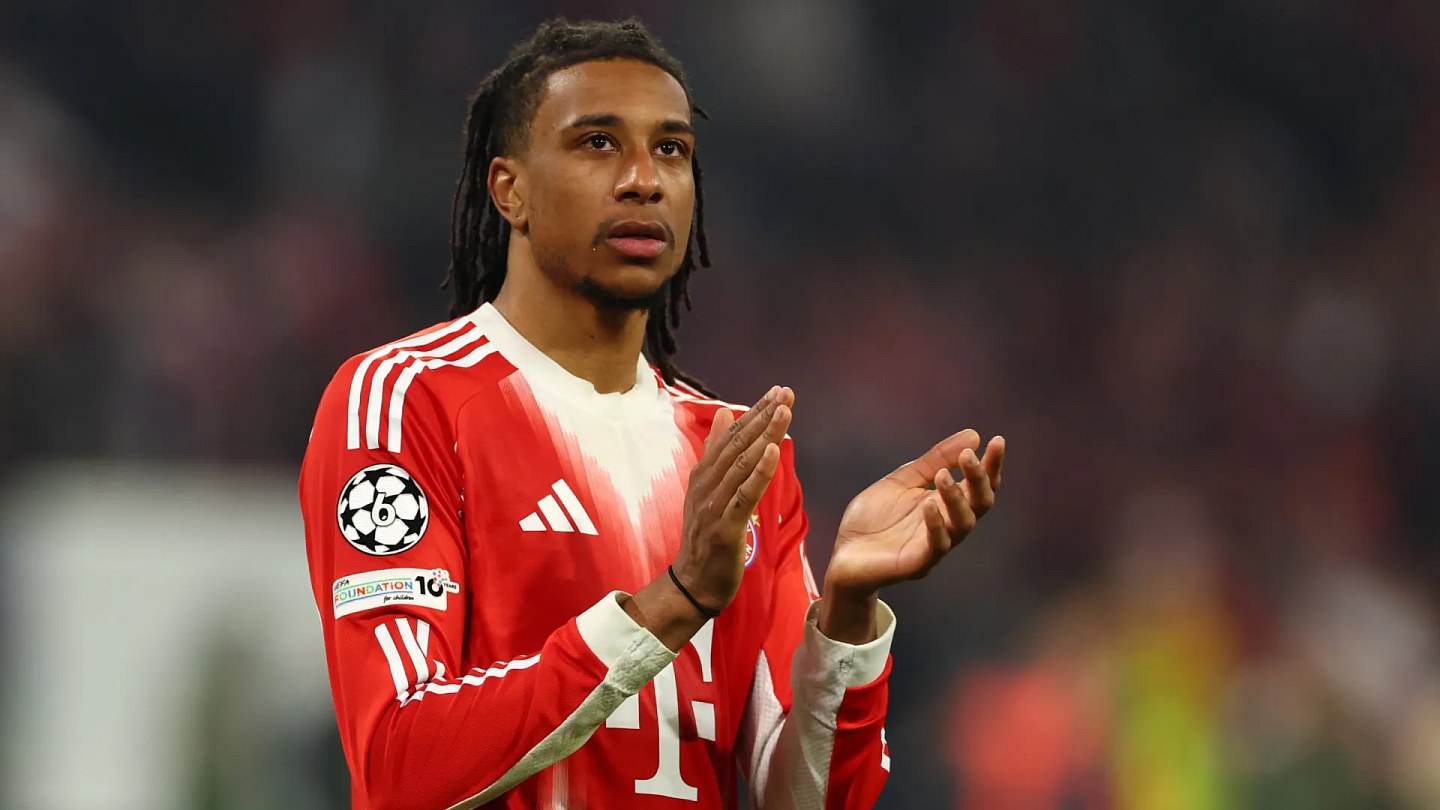
Olise, 24 years old, became one of the most talked about names on the market after Real Madrid's interest. Still, Bayern maintains internally that it does not want to negotiate the player, who has a contract until 2029.
The first scenario discussed by the club is to offer a renewal with a salary increase. The idea would be to pay 25 million euros (more than R$146 million) per season, which would place Olise as the second highest paid in the squad, behind only Harry Kane.
Another possibility is to keep the contract as it is and let the player fulfill the contract until 2029. In this scenario, Bayern would not make a new agreement now and would continue to rely on the athlete under current conditions.
There is also a scenario of attrition, if Olise asks to leave and performance drops. The hypothesis even includes a possible 'strike' by the player, which could put pressure on the club on a daily basis.
The last alternative would be a non-standard proposal, above 200 million euros. The newspaper states, however, that Bayern officials consider this outcome to be very unlikely.
How Real Madrid makes history.
Real Madrid's interest is the backdrop to Bayern's discussions about Olise. The assessment, according to Bild, is that the Spanish club does not intend to "go to war" with Bayern Munich over negotiations.
Read Also: Iconic photo of Messi and Yamal reveals World Cup final prophecy; look
Source: Noticias ao Minuto - Ultima Hora
This story was originally published by Noticias ao Minuto - Ultima Hora. Visit the original publication for further details.
Open original publication